



What's Happening?
U.S. retail sales continued their upward trend for the 13th consecutive month in October, reaching $561.7 billion. This represents a 0.15% increase from September and a 3.57% rise year-over-year, according to the CNBC/NRF Retail Monitor released by the National
Retail Federation (NRF) on November 11. The October figures, which exclude automobile dealers and gasoline stations and are seasonally adjusted, followed September sales of $560.8 billion, which had seen a 0.28% month-over-month increase and a 4.05% year-over-year growth. Core retail sales, further excluding restaurants, totaled $454.2 billion in October, showing a 0.26% increase from September and a 3.36% rise from the previous year. Matthew Shay, NRF president and CEO, noted that a strong Halloween season and early winter holiday promotions contributed to pulling demand forward. Electronics and appliance stores experienced the most significant year-over-year increase at 9.3%, while furniture and home furnishings, and sporting goods saw declines.
Why It's Important?
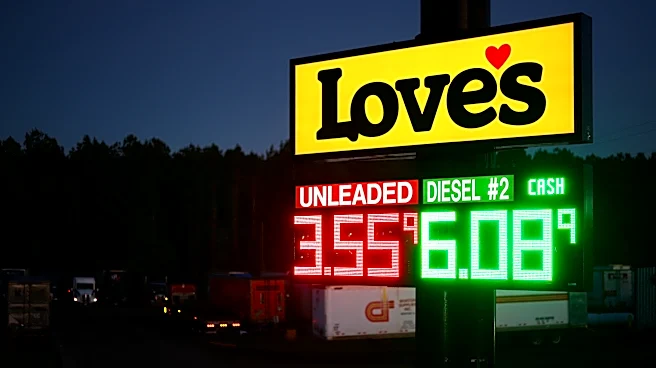
The sustained growth in U.S. retail sales, despite high gasoline prices, indicates continued consumer spending and economic resilience. This trend is crucial for the U.S. economy, as consumer spending is a major driver of economic activity. The NRF's data suggests that promotional events, such as Halloween and early holiday sales, are effective in stimulating demand, providing a positive outlook for retailers as they head into the critical holiday shopping season. The strong performance of electronics and appliance stores highlights specific areas of consumer interest and investment. Conversely, declines in furniture and home furnishings, and sporting goods, suggest shifts in consumer priorities or market saturation in those sectors. This data helps businesses and policymakers understand current economic health and anticipate future trends, influencing inventory management, marketing strategies, and investment decisions across various retail segments.
What's Next?
As retail sales continue to show growth, the focus will shift to the upcoming holiday season, which is traditionally the busiest period for retailers. The NRF's observation that early promotions pulled demand forward suggests that consumers are responsive to deals, and retailers may continue to leverage such strategies to maintain momentum. The performance of different retail categories will be closely watched, particularly how electronics and appliances sustain their growth and whether other sectors like furniture and sporting goods can rebound. The ongoing impact of inflation and consumer confidence will also play a significant role in shaping spending patterns in the coming months. Businesses will likely analyze these trends to adjust their strategies for inventory, pricing, and promotions to maximize sales during the holiday period and into the new year.
Beyond the Headlines
The consistent rise in retail sales, even with high gasoline prices, points to a broader narrative of consumer adaptation and strategic spending. Consumers appear to be actively seeking value and timing their purchases around promotional events, indicating a more discerning approach to their budgets. This behavior could lead to a permanent shift in retail strategies, with a greater emphasis on seasonal sales and early holiday promotions becoming the norm rather than the exception. The divergence in performance among retail categories also highlights evolving consumer preferences and lifestyle changes. The decline in furniture and home furnishings, for instance, could reflect a slowdown in home improvement spending after a pandemic-driven surge, while the strength in electronics might indicate continued investment in technology or entertainment. These shifts could have long-term implications for urban planning, commercial real estate, and the types of businesses that thrive in the evolving retail landscape.