
What's Happening?
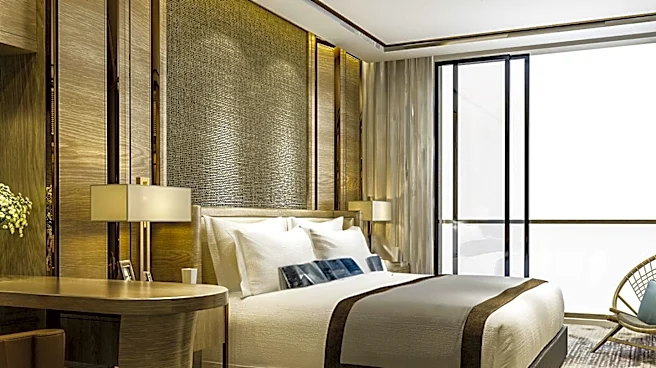
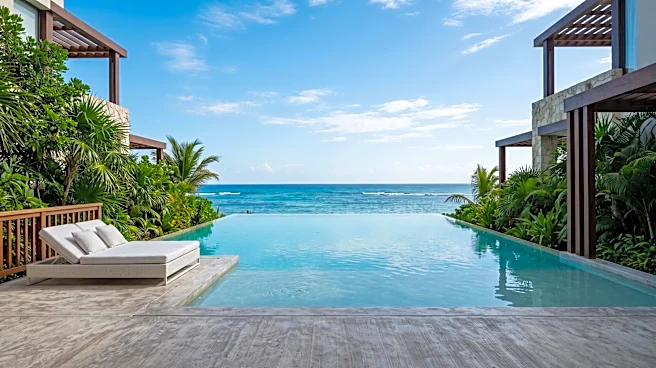
Thailand's luxury travel market is undergoing a significant transformation, moving away from traditional high-end hotel services like room service and private pools. The new focus is on wellness experiences,
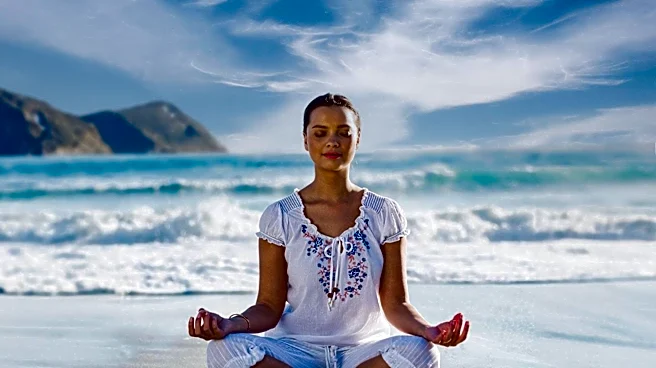
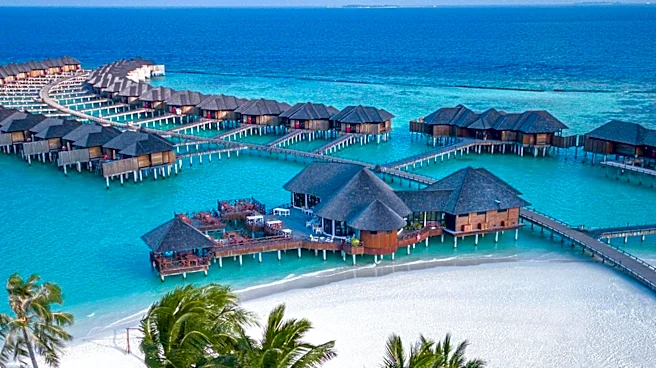
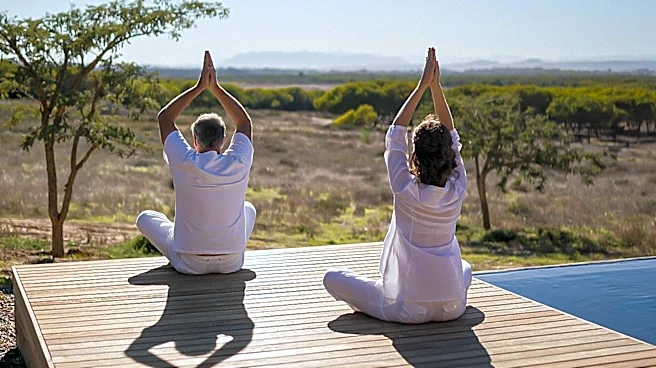
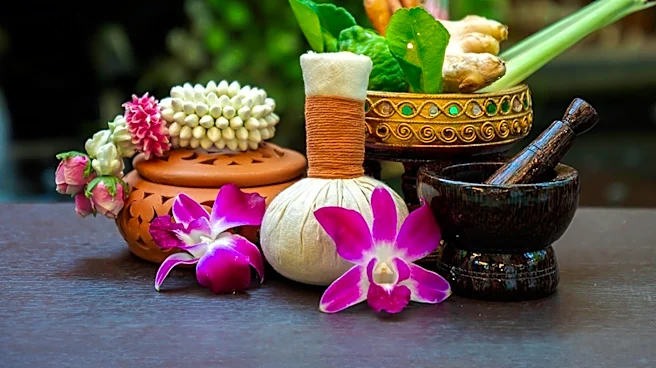
particularly in Bangkok, and enhanced accessibility to remote islands through private aviation. The recently reopened Dusit Thani Bangkok exemplifies this shift by integrating wellness into its core offerings, drawing on Thai healing traditions, Buddhist wellness principles, and contemporary approaches. This includes practices such as yoga, meditation, breathwork, Thai herbal medicine, personalized food, and movement, positioning wellness as an integral part of the guest experience rather than an optional activity. Concurrently, Siam Seaplane is developing private aviation services to provide easier access to secluded islands like Koh Kood, offering a substantial alternative to longer road and boat transfers. This initiative aims to make smaller, quieter destinations more practical for travelers with limited holiday time, particularly those combining a city break with a short island stay. The overall trend reflects a broader national tourism policy emphasizing wellness, medical treatments, and cultural immersion alongside traditional relaxation.
Why It's Important?
This shift in Thailand's luxury travel sector is important as it redefines what constitutes a premium travel experience, moving beyond mere opulence to focus on holistic well-being and exclusive access. For the U.S. luxury travel market, this trend could influence traveler expectations and demand for similar offerings. American travelers, increasingly seeking authentic and enriching experiences, may find Thailand's new focus on wellness and remote island access highly appealing. This could lead to increased bookings for such specialized tours and accommodations, potentially impacting U.S. travel agencies and tour operators who cater to high-net-worth individuals. Furthermore, the emphasis on wellness and cultural immersion aligns with a growing global trend in luxury travel, suggesting that U.S. hospitality and tourism providers might need to adapt their own offerings to remain competitive. The development of private aviation for island access also highlights a demand for seamless, efficient, and exclusive transportation solutions, which could inspire similar innovations in other luxury travel destinations frequented by U.S. tourists.
What's Next?
The future of Thailand's luxury travel will likely see continued integration of wellness into hotel experiences, with more establishments adopting comprehensive well-being programs. The expansion of private aviation services, such as those offered by Siam Seaplane, is expected to grow, making more remote and exclusive destinations accessible. This will necessitate further development of infrastructure on these islands to accommodate luxury travelers while maintaining their pristine nature. Major stakeholders, including hotel groups, airlines, and tour operators, will need to collaborate to create seamless, integrated luxury packages that combine city wellness with island retreats. There will also be a focus on clear communication regarding the nature of wellness treatments, distinguishing between spa experiences, wellness services, and clinical procedures. For U.S. travelers, this means a wider array of sophisticated and personalized travel options in Thailand, potentially leading to increased interest in longer, more immersive trips that combine diverse experiences. The success of these initiatives will depend on their ability to evolve from charter products into reliable, bookable services with confirmed schedules and transparent pricing.
Beyond the Headlines
Beyond the immediate changes, this evolution in Thailand's luxury travel sector reflects a deeper cultural and ethical shift towards more meaningful and sustainable tourism. The integration of Thai healing traditions and Buddhist wellness principles into luxury offerings provides a unique cultural dimension, allowing travelers to engage with the local heritage on a profound level. This move away from purely materialistic luxury towards experiential and purpose-driven travel aligns with a global consciousness that values authenticity, personal growth, and environmental responsibility. The focus on private island access also raises questions about environmental impact and the need for sustainable development to preserve these delicate ecosystems. For the U.S. market, this trend could foster a greater appreciation for destinations that offer not just luxury, but also cultural depth and opportunities for personal rejuvenation. It may also encourage U.S. travelers to seek out and support tourism models that prioritize local communities and environmental conservation, influencing their travel choices and potentially driving demand for similar ethical luxury experiences worldwide.