



What's Happening?
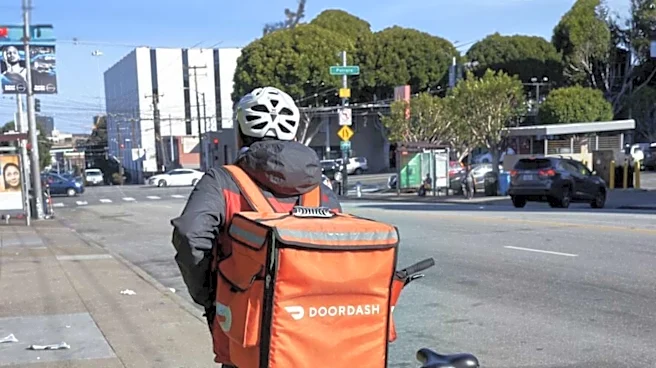
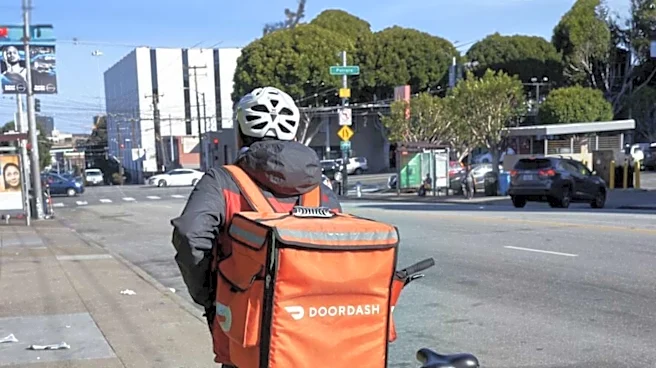
DoorDash's planned $17 billion acquisition of Instacart, announced on October 29, is currently under review by the Justice Department. This deal has sparked concerns regarding its potential impact on gig workers' earnings and leverage. According to Gridwise
data from the third quarter, approximately 40% of Instacart's delivery workers also work for DoorDash. Brandon Sellers, Vice President of Marketing at Gridwise, suggests that the merger could diminish workers' bargaining power by reducing the number of independent companies competing for their time, potentially leading to lower pay and less control over their work schedules. DoorDash, however, contends that the combination will offer 'greater choice, opportunities, and leverage for workers,' along with more affordable delivery services from an expanded network of stores. The closing of the deal is anticipated by the end of 2027 or the first half of 2028, with both companies operating separately until then. DoorDash faces a $1.25 billion penalty if the acquisition is blocked by an antitrust order.
Why It's Important?
This acquisition is significant for the U.S. gig economy and antitrust enforcement. The Justice Department's review, which typically falls under the FTC for food and retail deals, highlights a growing focus on labor market competition in merger assessments. The 2023 Merger Guidelines explicitly state that agencies will consider whether a merger risks substantially lessening competition for labor. If the deal proceeds, the combined entity could create a dominant force in the delivery market, potentially reducing competition for gig workers' services. This could lead to downward pressure on wages and benefits for a substantial portion of the gig workforce, impacting their financial stability and working conditions. Conversely, DoorDash argues that increased network density could lead to more efficient routes and earning opportunities for workers, though critics question whether these savings would genuinely benefit couriers or primarily reduce fulfillment costs for the company.
What's Next?
The Justice Department's review of the DoorDash-Instacart merger is ongoing. The department will likely examine the gig labor market to assess the potential impact on worker wages and competition. A key aspect of this review will be whether the department requires economic modeling to demonstrate how wages, benefits, and other compensation might change post-merger, similar to a previous case involving grocery workers. If the deal is blocked by an antitrust order, DoorDash is obligated to pay Instacart $1.25 billion. If the merger is approved, DoorDash plans to maintain the Instacart brand and app, allowing Instacart shoppers to choose between taking DoorDash orders or continuing solely with Instacart. The outcome of this review will set a precedent for how antitrust law addresses labor market competition in the rapidly evolving gig economy.
Beyond the Headlines
The DoorDash-Instacart merger raises profound questions about the future of independent contractors in the U.S. economy and the scope of antitrust enforcement. Beyond immediate wage concerns, the consolidation of major gig platforms could lead to a reduction in worker autonomy and flexibility, as fewer competing platforms might dictate terms of service and pay structures. This situation could also influence the broader debate on whether gig workers should be classified as employees, granting them more protections and benefits. The Justice Department's decision will not only impact the delivery sector but could also shape how mergers are evaluated across other industries heavily reliant on independent contractors, potentially leading to increased scrutiny of how corporate consolidation affects labor markets rather than just consumer prices.