




What's Happening?
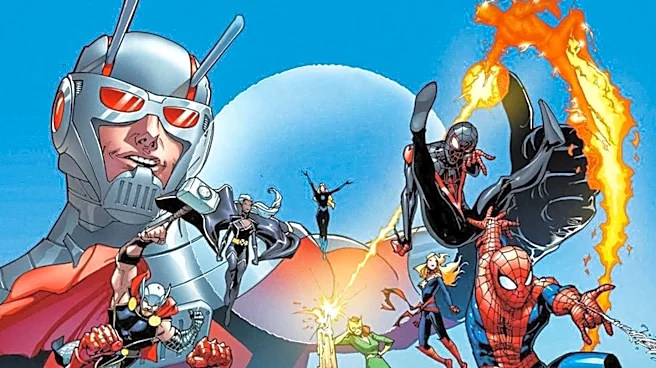
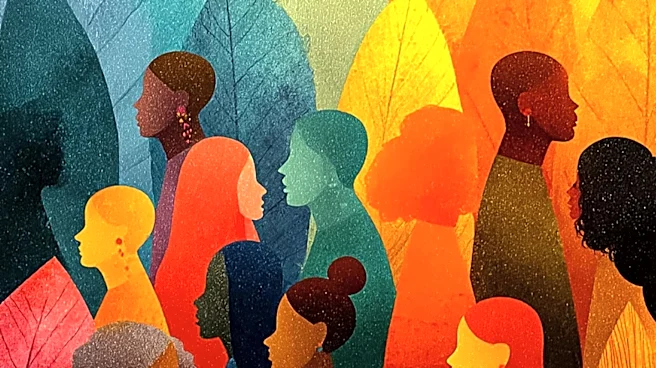
As Hispanic Heritage Month concludes, there's a growing call for increased and accurate Hispanic representation in comic books and superhero media. Currently, only 3% of characters in Marvel and DC comics are Hispanic, according to Teen Vogue. This lack
of representation is seen as a missed opportunity to provide a sense of safety and belonging for many Hispanic students and to reflect the community's significant role in U.S. history and society. While characters like Miles Morales' Spider-Man and Jaime Reyes' Blue Beetle have emerged, they are relatively recent additions. Advocates emphasize that accurate depictions are crucial, moving beyond stereotypes and incorporating authentic cultural aspects, as seen in the successful representation in the 'Blue Beetle' movie.
Why It's Important?
The importance of representation in media, particularly for superhero narratives, extends beyond entertainment; it influences how individuals see themselves and others. For the Hispanic community, accurate portrayals in comics can foster hope, belonging, and a positive self-image, especially for younger generations. Conversely, inaccurate or stereotypical representations can reinforce negative perceptions and contribute to a sense of marginalization. This issue is particularly salient given the current social and political climate, where accurate media portrayals can counteract fear and misunderstanding. The call for better representation also highlights the economic and cultural value of diverse storytelling, potentially expanding audience engagement and fostering a more inclusive media landscape.
What's Next?
The ongoing discussion suggests a continued push for comic book publishers and media producers to prioritize authentic Hispanic representation. This includes not only increasing the number of Hispanic characters but also ensuring their backgrounds are deeply tied to the storytelling and developed with input from the community. Filmmakers and writers of Hispanic descent, like 'Blue Beetle' director Ángel Manuel Soto, are setting a standard by incorporating cultural aspects and hiring diverse casts to ensure authenticity. The community is encouraged to use its voice to demand change, combating stereotypes and advocating for more nuanced and respectful portrayals. This movement is likely to influence future casting, writing, and production decisions in the superhero genre.
Beyond the Headlines
The demand for Hispanic representation in comics reflects a broader societal conversation about identity, inclusion, and the power of media to shape perceptions. Beyond the immediate impact on comic sales or movie viewership, this movement addresses the ethical responsibility of media creators to reflect the diverse tapestry of the U.S. population. It challenges the industry to move past tokenism and engage in genuine cultural consultation, ensuring that new characters are not merely additions but meaningful contributions that resonate with their intended audiences. This shift could lead to a richer, more diverse narrative landscape in popular culture, fostering greater understanding and empathy across different communities and potentially inspiring future generations of diverse creators.