


What's Happening?
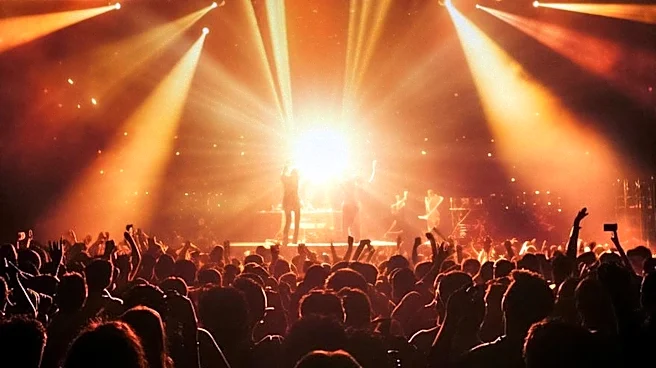
Tory Lanez is expanding his 'Not On ‘Tor,’ Tour’ by upgrading venues in multiple cities due to overwhelming demand, particularly after a successful launch in New York City on September 25. The tour, which includes events in Los Angeles, Washington D.C.,
New Orleans, and Pittsburgh, is not a traditional concert series as Lanez cannot physically attend. Instead, it functions as a listening party for his recent album, featuring DJ sets and guest appearances from artists like A Boogie Wit Da Hoodie, Bobby Shmurda, N3on, A$AP Ferg, and Pressa in New York. Following the high turnout in New York, organizers announced venue upgrades for Los Angeles, with new tickets now on sale. For Pittsburgh and New Orleans, tickets are being refunded as organizers secure new dates and larger venues. The tour has also generated controversy and backlash among some fans and commentators, with debates occurring on platforms like 'The Joe Budden Podcast' regarding support for the initiative given Lanez’s conviction. Meanwhile, Lanez has also released new music, including the song '9Side Bodmon' and visuals for 'WHO?' from his project 'Made You Think I Was Gone...But.'
Why It's Important?
The expansion and success of Tory Lanez's 'Not On ‘Tor,’ Tour’ highlight a complex dynamic within the music industry and fan culture, particularly concerning artists facing legal convictions. The high demand for these listening parties, despite Lanez's inability to physically attend, indicates a significant and loyal fanbase that continues to support his music. This situation underscores the power of an artist's brand and musical output to transcend personal controversies for a segment of the audience. For the music industry, it presents a case study on alternative touring models and fan engagement strategies when traditional performances are not feasible. The backlash and public debate surrounding the tour also reflect broader societal discussions about accountability, cancel culture, and the separation of art from the artist's personal conduct. The continued commercial viability of Lanez's music and related events, even amidst controversy, suggests that a portion of the market prioritizes artistic output over personal ethics, posing questions for labels, promoters, and media outlets about their roles in supporting or condemning such initiatives.
What's Next?
The 'Not On ‘Tor,’ Tour’ is scheduled to continue with its next stop in Los Angeles on October 15 at Catch One, followed by Washington D.C.’s Culture on October 22. Organizers are actively working to secure larger venues and new dates for Pittsburgh and New Orleans, with current tickets for these cities being refunded. The ongoing success and expansion of these events suggest that similar 'listening party' or 'experience' formats could be adopted by other artists facing touring restrictions. The public debate surrounding the tour is also likely to persist, potentially influencing how other artists and their teams navigate similar situations in the future. The continued release of new music by Tory Lanez, such as '9Side Bodmon' and visuals from his recent project, indicates a sustained effort to maintain his musical presence, which will likely fuel further fan engagement and potentially more events of this nature.
Beyond the Headlines
The phenomenon of Tory Lanez's 'Not On ‘Tor,’ Tour’ delves into the evolving relationship between artists, their work, and public perception in the digital age. It highlights a growing divergence in how audiences consume and support music, where some fans may compartmentalize an artist's legal issues from their artistic output. This situation raises ethical questions for the entertainment industry regarding the promotion and monetization of content from individuals with serious legal convictions. It also reflects the fragmented nature of public opinion, where strong support can coexist with significant condemnation. The tour's success, despite its unconventional format, could signal a shift towards more immersive, non-traditional fan experiences that leverage an artist's brand and catalog, even in their physical absence. This trend could reshape how artists engage with their audience, particularly in an era where digital presence and curated events can substitute for live performances, challenging traditional notions of touring and artist-fan interaction.