






What's Happening?
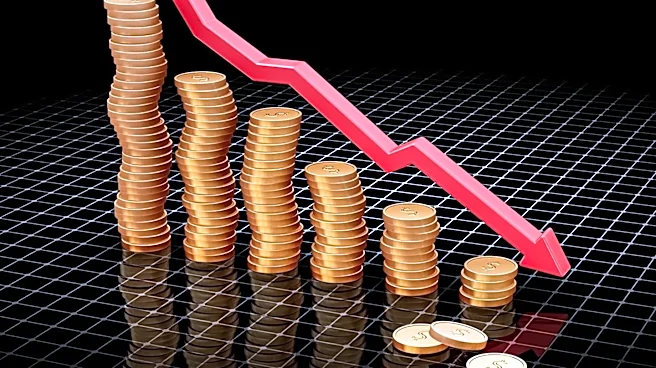
Syngenta, a major agricultural science company, announced a decrease in its third-quarter sales and profit. The company's sales dropped by 10% to $5.2 billion, while earnings before interest, tax, depreciation, and amortization (EBITDA) fell by 2% to $800
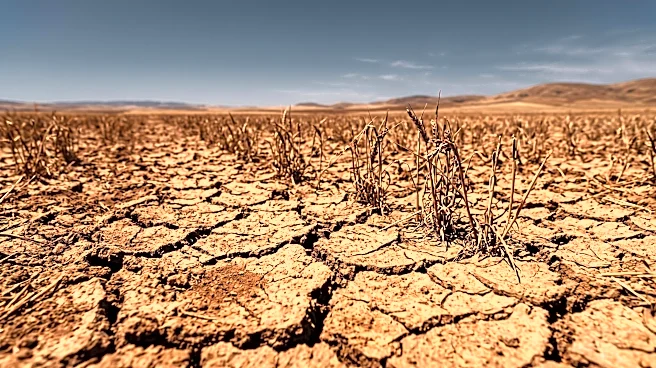
million compared to the previous year. This decline is primarily attributed to severe summer heatwaves across Europe, which reduced demand for crop protection products. Additionally, farmers, facing increased costs for fertilizer, fuel, and energy due to the conflict in the Middle East, along with rising interest rates, have become more hesitant to invest in new seeds and sprays. Syngenta also noted that its sales were impacted by its decision to exit lower-margin businesses, such as its grains trading operation, and the expiration of patent protection for some older products. For the first nine months of 2026, the company's sales decreased by 5% to $17.3 billion, though EBITDA for the same period saw a 1% increase to $3.2 billion.
Why It's Important?
This report from Syngenta highlights the significant economic impact of climate-related events, such as heatwaves, on the agricultural sector and related industries. The reduced demand for crop protection products directly affects companies like Syngenta, demonstrating how environmental factors can disrupt global supply chains and corporate revenues. Furthermore, the cautious spending by farmers, driven by rising input costs and interest rates, reflects broader economic pressures that can lead to reduced agricultural output or increased food prices. This situation underscores the vulnerability of the agricultural industry to both environmental changes and geopolitical events, which can have ripple effects throughout the economy, potentially impacting food security and consumer costs. The company's strategy to focus on higher-margin businesses, like new plant protection products, indicates a shift in the agricultural market towards more specialized and innovative solutions to combat evolving challenges.
What's Next?
Syngenta's advisers are reportedly targeting a valuation of at least $66 billion for its upcoming Hong Kong market listing, which is anticipated to be completed early next year. This listing will be a critical step for the company, controlled by Chinese state-owned firm Sinochem, as it seeks to raise capital and expand its market presence. The company plans to continue its strategy of focusing on higher-margin businesses, such as its new product designed to protect plants from worms and fungal diseases, to improve profitability. This strategic shift aims to increase its profit margin, which has already risen by 1 percentage point to 18.4%. Future performance will likely depend on the company's ability to adapt to ongoing climate challenges, manage farmer spending caution, and successfully execute its market listing and product development initiatives.
Beyond the Headlines
The challenges faced by Syngenta extend beyond immediate financial results, pointing to deeper trends in global agriculture. The increasing frequency and intensity of heatwaves, linked to climate change, pose a long-term threat to crop yields and agricultural productivity worldwide. This necessitates greater investment in climate-resilient crops and advanced crop protection technologies. The cautious spending by farmers also reflects a broader economic squeeze on the agricultural community, highlighting issues of profitability and sustainability for individual farmers. This could lead to consolidation in the farming sector or increased reliance on government subsidies. Furthermore, Syngenta's strategic pivot towards higher-margin, specialized products suggests a future where agricultural innovation will be crucial for maintaining food security in a changing climate, potentially leading to new ethical considerations regarding genetically modified organisms and advanced chemical applications.