
What's Happening?
A recent report, based on research from On and the Running Industry Diversity Coalition, indicates that 24% of surveyed women feel alienated by the prevailing fitness culture, perceiving it as 'not for people like me.' This finding emerges amidst a significant
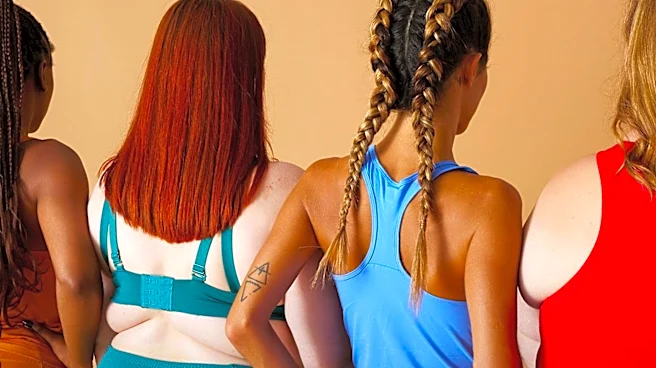
surge in running club participation globally, with Strava reporting a 59% year-over-year increase in 2024. The research, part of On's 'Her Right To Move' initiative, identifies several barriers preventing women and girls from engaging in physical activity. These barriers include safety concerns (33% fear harassment while exercising), responsibility (32% cite household and caregiving duties), belonging (24% note a lack of inclusive local groups), and representation (24% feel fitness storytelling excludes diverse bodies and backgrounds). These issues often overlap, with 28% of those citing household responsibilities also feeling unsafe exercising in the dark.
Why It's Important?
This report highlights significant inclusivity challenges within the U.S. fitness industry, impacting a substantial portion of the female population. The alienation experienced by nearly a quarter of women suggests a disconnect between current fitness offerings and the needs of diverse individuals. This can lead to decreased physical activity rates among women, potentially exacerbating public health issues. For businesses in the fitness sector, these findings underscore a critical need to re-evaluate marketing strategies, facility designs, and program offerings to create more welcoming and inclusive environments. Addressing these barriers could unlock a larger market segment and foster greater participation, ultimately benefiting both individuals' well-being and the industry's growth. The emphasis on safety, belonging, and representation points to a demand for community-focused and diverse fitness solutions.
What's Next?
In response to these findings, On is committing $2.3 million in 2027 to grassroots organizations working to dismantle these barriers, building on over $2 million invested since 2022. This financial commitment suggests a growing trend among sports and fitness brands to invest in community impact initiatives. Other fitness organizations and brands may follow suit, potentially leading to increased funding and support for programs that prioritize safety, inclusivity, and diverse representation. The focus on run clubs as a potential solution, due to their ability to address safety, belonging, and representation simultaneously, could lead to a further boom in their popularity and the development of more structured, inclusive running communities. This could also prompt a broader industry shift towards more community-centric and women-focused fitness programs.
Beyond the Headlines
The report's findings delve into deeper societal issues beyond just fitness participation. The pervasive fear of harassment cited by 33% of women exercising reflects broader concerns about public safety and gender-based violence, which extend into everyday activities. The burden of household and caregiving responsibilities highlights persistent gender inequalities in labor distribution, limiting women's personal time for self-care and physical activity. Furthermore, the lack of belonging and representation in fitness storytelling points to a cultural issue where dominant narratives often fail to reflect the diversity of bodies and backgrounds, inadvertently excluding many. Addressing these issues requires more than just fitness solutions; it necessitates broader societal changes in safety, gender equity, and media representation to create truly inclusive environments for women.