




What's Happening?
Pilates is an exercise system that prioritizes control, alignment, and the quality of movement to build strength and flexibility simultaneously. Unlike traditional workouts that often focus on repetition or intensity, Pilates emphasizes slow, precise
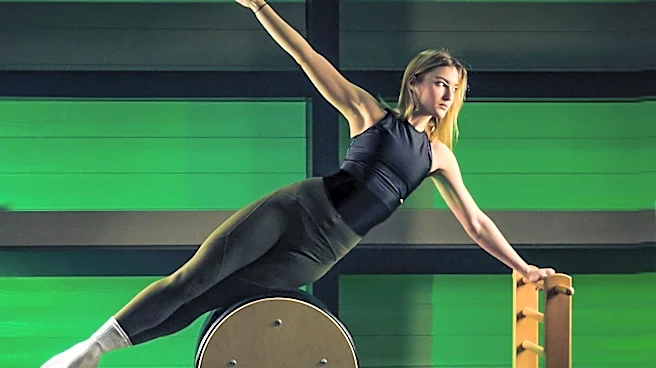
movements with a low impact on joints. The core principles guiding all Pilates styles include concentration, control, breathing, precision, centering, and flow. These principles ensure that each movement is intentional, coordinated with breath, and originates from the core. Various forms of Pilates exist, such as Classical Pilates, which uses specialized equipment like Reformer machines, and Mat Pilates, which relies on body weight. Other styles include Contemporary Pilates, Clinical Pilates for rehabilitation, STOTT Pilates focusing on spinal alignment, Power Pilates for increased intensity, and Hot Pilates performed in heated rooms. Each style caters to different fitness levels and goals, from beginners to experienced practitioners, and can be adapted for individuals with specific needs or injuries.
Why It's Important?
The emphasis on control and alignment in Pilates offers significant benefits for overall physical well-being, making it a valuable practice for a wide range of individuals. Its low-impact nature makes it suitable for those seeking to improve fitness without stressing joints, which is particularly important for older adults or individuals recovering from injuries. The focus on core strength and stability directly contributes to improved posture, coordination, and balance, which are crucial for daily activities and preventing falls. For those with existing conditions or injuries, rehabilitative Pilates, often guided by physical therapists, provides a safe and structured path to recovery and long-term strength. The mental aspect, involving concentration and body awareness, also contributes to a holistic approach to health, enhancing the mind-body connection. This makes Pilates a versatile exercise option that can complement other fitness routines or serve as a primary method for maintaining physical health.
What's Next?
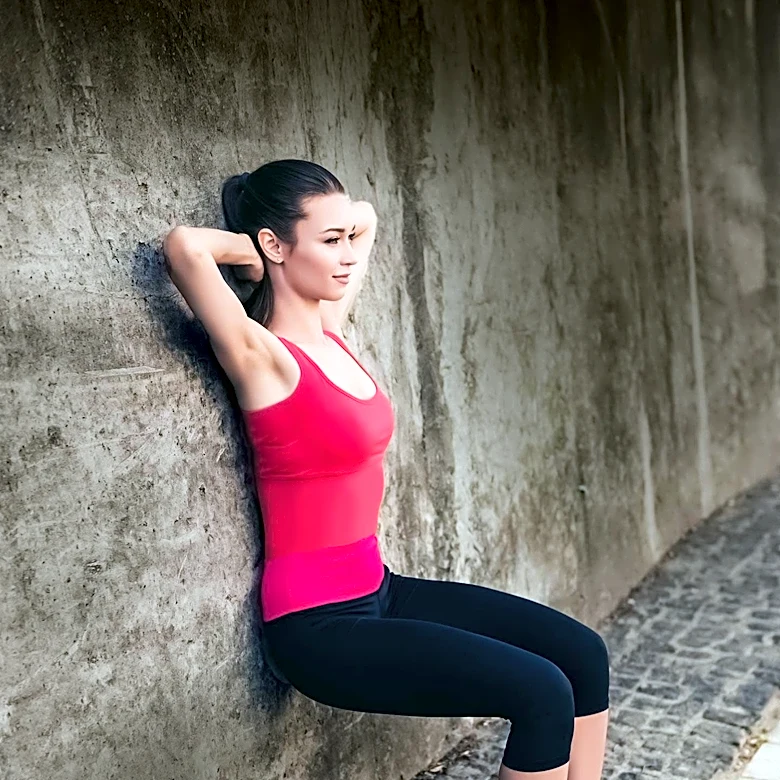
Individuals interested in starting Pilates are advised to consult a doctor, especially if they have pre-existing conditions such as back injuries, joint issues, or recent surgeries. Beginners are encouraged to start with Mat or Wall Pilates, as these are low-cost, low-risk options that can be practiced at home to establish proper form before progressing to more intense or equipment-based classes. Trying a few different types of Pilates before committing to a membership is recommended to find the most suitable style. For those with specific injuries or postural concerns, Clinical or STOTT Pilates, often guided by a physiotherapist, may be the most appropriate starting point. The ongoing development of various Pilates styles and the integration of modern exercise science suggest a continued evolution of the practice, offering more tailored options for diverse populations and fitness goals.
Beyond the Headlines
The growing popularity of Pilates reflects a broader societal shift towards mindful movement and holistic health practices. In an era where sedentary lifestyles are prevalent, and chronic pain is common, Pilates offers a structured method for improving physical function and reducing discomfort. Its focus on precision and control, rather than brute force, aligns with a preventative approach to health, aiming to build a resilient body that can withstand the demands of daily life. The adaptability of Pilates, from mat work to specialized equipment, also highlights its accessibility across different socioeconomic groups and physical capabilities. This exercise system not only addresses physical strength and flexibility but also cultivates a deeper connection between the mind and body, fostering greater self-awareness and potentially contributing to improved mental well-being. The integration of Pilates into rehabilitation programs further underscores its therapeutic potential, moving beyond just fitness to become a tool for recovery and long-term health management.