





What's Happening?
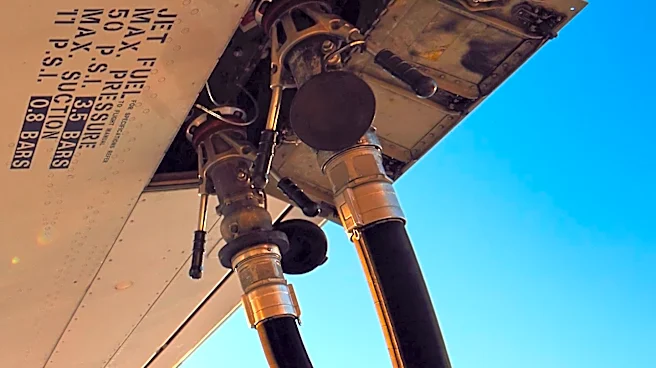
Airlines in the United States are experiencing significant increases in operational costs due to rising fuel prices. This surge in expenses is leading to higher airfares, with airline executives indicating that these elevated prices are likely to persist.
The increase in fuel costs, along with more expensive labor contracts and other operational expenses, is compelling airlines to pass these costs onto consumers. Despite the higher prices, demand for air travel remains strong, as travelers continue to book flights. United Airlines, for instance, reported a substantial increase in fuel costs and anticipates maintaining its pricing power throughout the year. The airline industry is also dealing with reduced competition following the collapse of Spirit Airlines, which has further consolidated market share among the largest carriers.
Why It's Important?
The rising costs of air travel have significant implications for both the airline industry and consumers. For airlines, the increased expenses necessitate strategic adjustments to maintain profitability, such as optimizing flight schedules and managing operational costs. The consolidation of market share among major airlines could lead to less competitive pricing, potentially affecting consumer choice and affordability. For travelers, the sustained high airfares may impact travel plans, particularly for budget-conscious individuals. The situation underscores the broader economic challenges posed by volatile fuel prices and highlights the resilience of consumer demand in the face of rising costs.
What's Next?
As airlines navigate these financial pressures, they may continue to adjust their strategies to mitigate the impact of rising costs. This could include further optimizing flight routes, exploring alternative fuel options, or implementing additional cost-saving measures. The industry will also be closely monitoring geopolitical developments that could influence fuel prices and supply chains. For consumers, the ongoing situation may necessitate more strategic planning around travel, potentially leading to shifts in travel patterns or preferences. The response of smaller airlines and new market entrants will also be critical in shaping the competitive landscape moving forward.