

What's Happening?
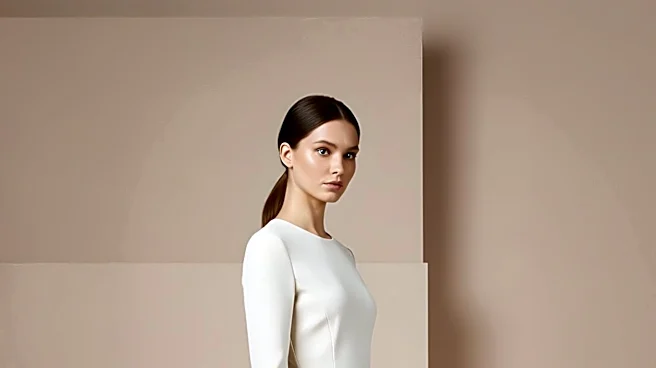
The Row, founded by Mary-Kate and Ashley Olsen in 2006, is highlighted as a quintessential brand embodying the 'quiet luxury' aesthetic. This approach to fashion prioritizes impeccable tailoring, fluid silhouettes, and high-quality fabrics over overt
branding or seasonal trends. The brand's minimalist bags have achieved cult status, often accompanied by waiting lists, while its knitwear and coats are designed for longevity, intended to be worn for decades. Quiet luxury, as defined by the source, is not a fleeting trend but a long-standing dressing philosophy embraced by those who value craftsmanship and enduring style. It emphasizes buying fewer, better-made items that retain their appeal over time, making them highly sought after in the resale market. Other brands like Loro Piana, Brunello Cucinelli, and Hermès also exemplify this philosophy through their focus on premium materials, timeless designs, and subtle branding.
Why It's Important?
The rise of quiet luxury signifies a shift in consumer values within the fashion industry, moving away from fast fashion and overt branding towards sustainability, quality, and timelessness. This trend impacts U.S. consumers by offering an alternative to rapidly changing styles, encouraging investment in durable, versatile pieces. For businesses, it underscores the importance of craftsmanship, material quality, and subtle design as key differentiators in a competitive market. Brands that can deliver on these aspects, like The Row, are gaining significant traction. This movement also influences the resale market, as high-quality, timeless pieces from quiet luxury brands maintain their value and desirability, creating a robust secondary market for luxury goods. The emphasis on longevity and quality also aligns with growing consumer awareness regarding environmental impact, promoting a more sustainable approach to consumption.
What's Next?
The continued prominence of quiet luxury suggests that more brands, both established and emerging, may adopt similar philosophies, focusing on quality, craftsmanship, and understated design. Consumers are likely to increasingly prioritize investment pieces that offer long-term value and versatility over trendy, disposable items. This could lead to a greater demand for transparent sourcing of materials and ethical production practices. The resale market for luxury goods is also expected to grow further, as consumers seek to acquire high-quality items at more accessible price points or to divest their own well-maintained pieces. Retailers may adapt by curating collections that emphasize timelessness and durability, and by providing more information about the provenance and craftsmanship of their products. The influence of quiet luxury could also extend beyond fashion into other lifestyle sectors, such as home goods and travel, where thoughtful details and enduring quality are valued.
Beyond the Headlines
The quiet luxury movement reflects a deeper cultural shift towards discernment and conscious consumption. It challenges the notion that luxury must be ostentatious or logo-driven, instead promoting an appreciation for intrinsic quality and understated sophistication. This trend can be seen as a rejection of the 'always-on' consumer culture, where status is often communicated through visible brand affiliations. Ethically, it encourages a more sustainable approach to fashion by advocating for fewer, higher-quality purchases, thereby reducing waste and the environmental footprint associated with fast fashion. Societally, it may foster a more refined aesthetic, where personal style is expressed through subtle details and enduring elegance rather than fleeting trends. This shift could also empower smaller, artisan-focused brands that prioritize craftsmanship over mass production, potentially diversifying the luxury market and offering consumers more unique and thoughtfully made options.