
What's Happening?
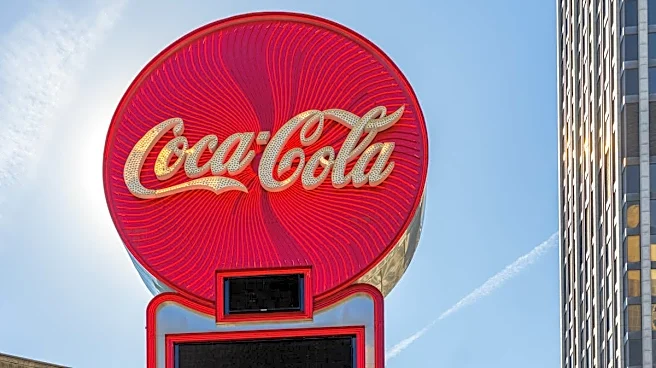
Coca-Cola has introduced a new font for its branding, which has inadvertently reignited the 'fridge cigarette' meme among Gen Z. This meme originated when TikTok creator Rachel Reno humorously referred
to a cold Diet Coke as a 'crispy ciggy,' a term that quickly gained traction on social media. The updated typography of Coca-Cola's branding has been compared to that of Marlboro cigarettes, leading to speculation that the company may have unintentionally leaned into the meme. Coca-Cola's president of Global Category, Arnab Roy, stated that the refresh aims to create a consistent and iconic look across over 200 markets. The rebranding is intended to build on familiar elements to strengthen the brand's foundation for growth while maintaining its distinct identity.
Why It's Important?
The reaction to Coca-Cola's rebranding highlights a significant shift in how brands interact with younger audiences, particularly Gen Z. This generation is known for reinterpreting marketing messages through memes and online culture, which can sometimes become as influential as the original campaigns. The 'fridge cigarette' meme's resurgence underscores the power of social media in shaping brand perception and consumer engagement. For Coca-Cola, this incident illustrates the challenges and opportunities of managing an iconic brand in a digital age where consumer interpretations can rapidly influence brand identity. The company's ability to navigate these dynamics is crucial for maintaining its relevance and appeal in a competitive market.
What's Next?
Coca-Cola may need to consider how to engage with the meme culture that has become intertwined with its brand identity. This could involve leveraging the meme's popularity in future marketing strategies or addressing consumer perceptions directly. As Gen Z continues to influence market trends, brands like Coca-Cola must adapt to the evolving landscape of digital communication and consumer interaction. The company might also explore collaborations with social media influencers or creators who have contributed to the meme's popularity, potentially turning a spontaneous cultural moment into a strategic marketing advantage.
Beyond the Headlines
The 'fridge cigarette' meme and Coca-Cola's response to it reflect broader cultural and branding trends. As consumers increasingly participate in shaping brand narratives, companies must balance maintaining control over their brand image with embracing consumer-driven content. This dynamic can lead to innovative marketing approaches but also requires careful management to avoid unintended associations. The situation also highlights the importance of cultural sensitivity and awareness in global branding efforts, as interpretations can vary widely across different markets and demographics.