

What's Happening?
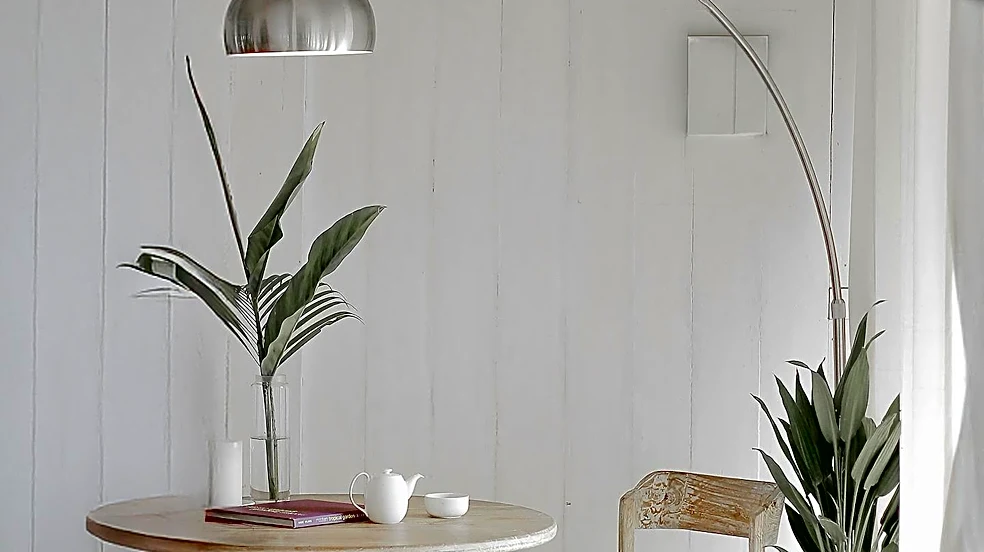
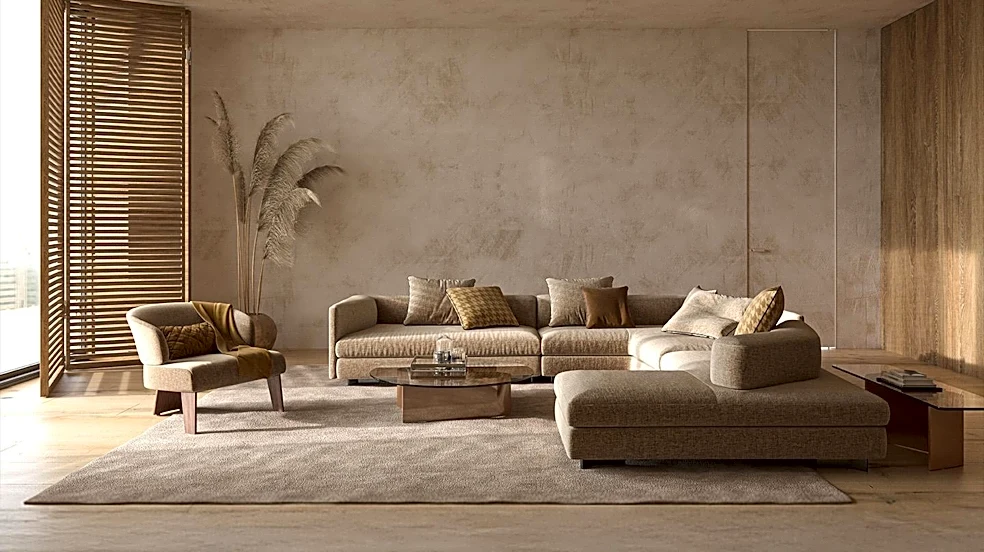
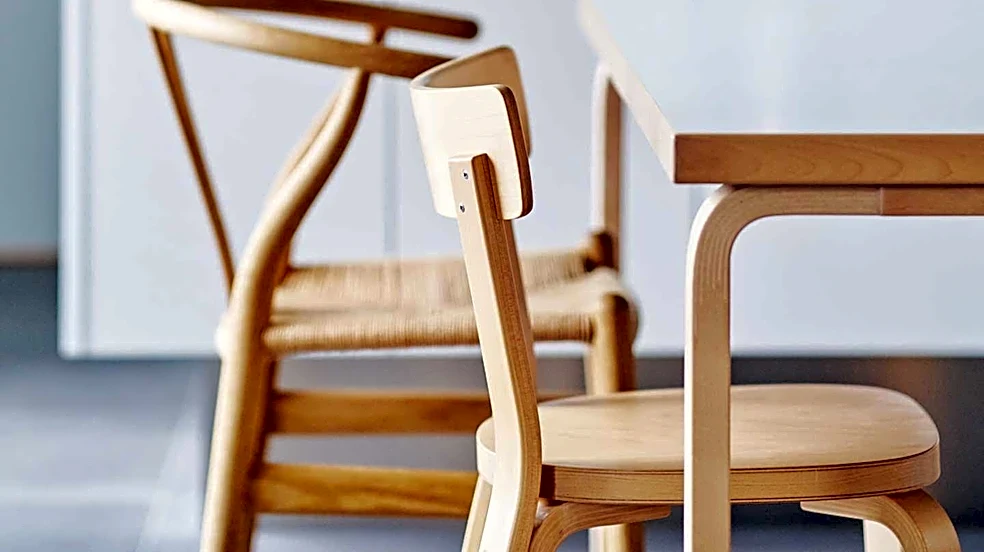
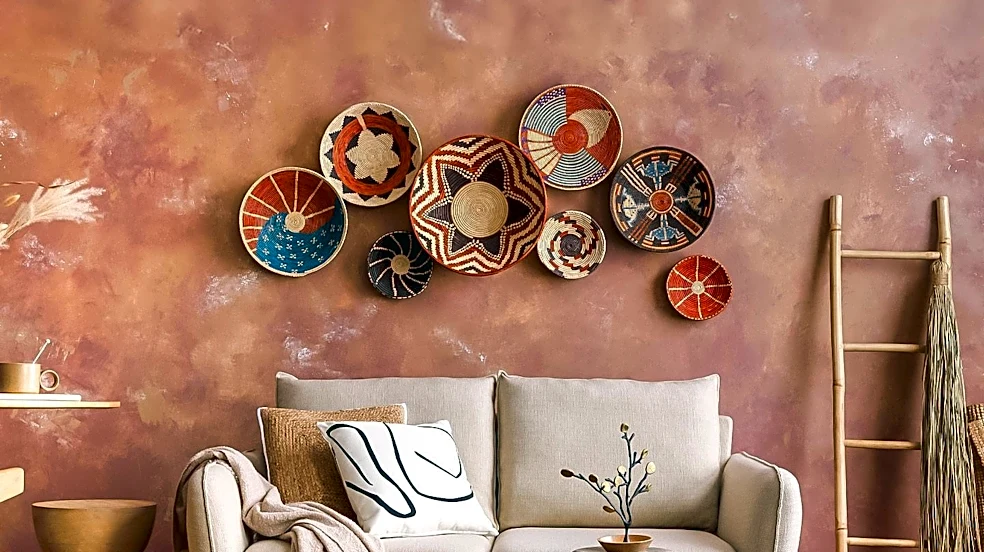
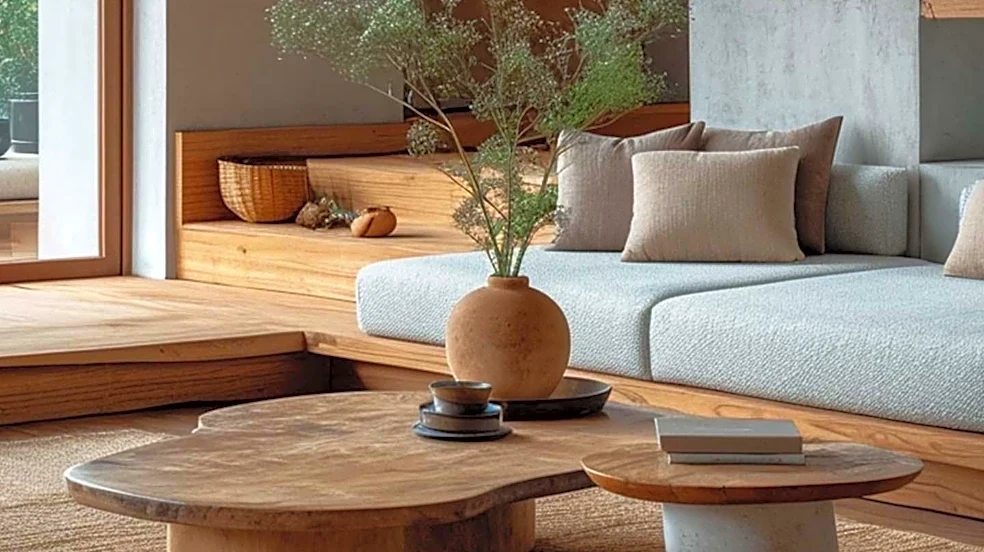
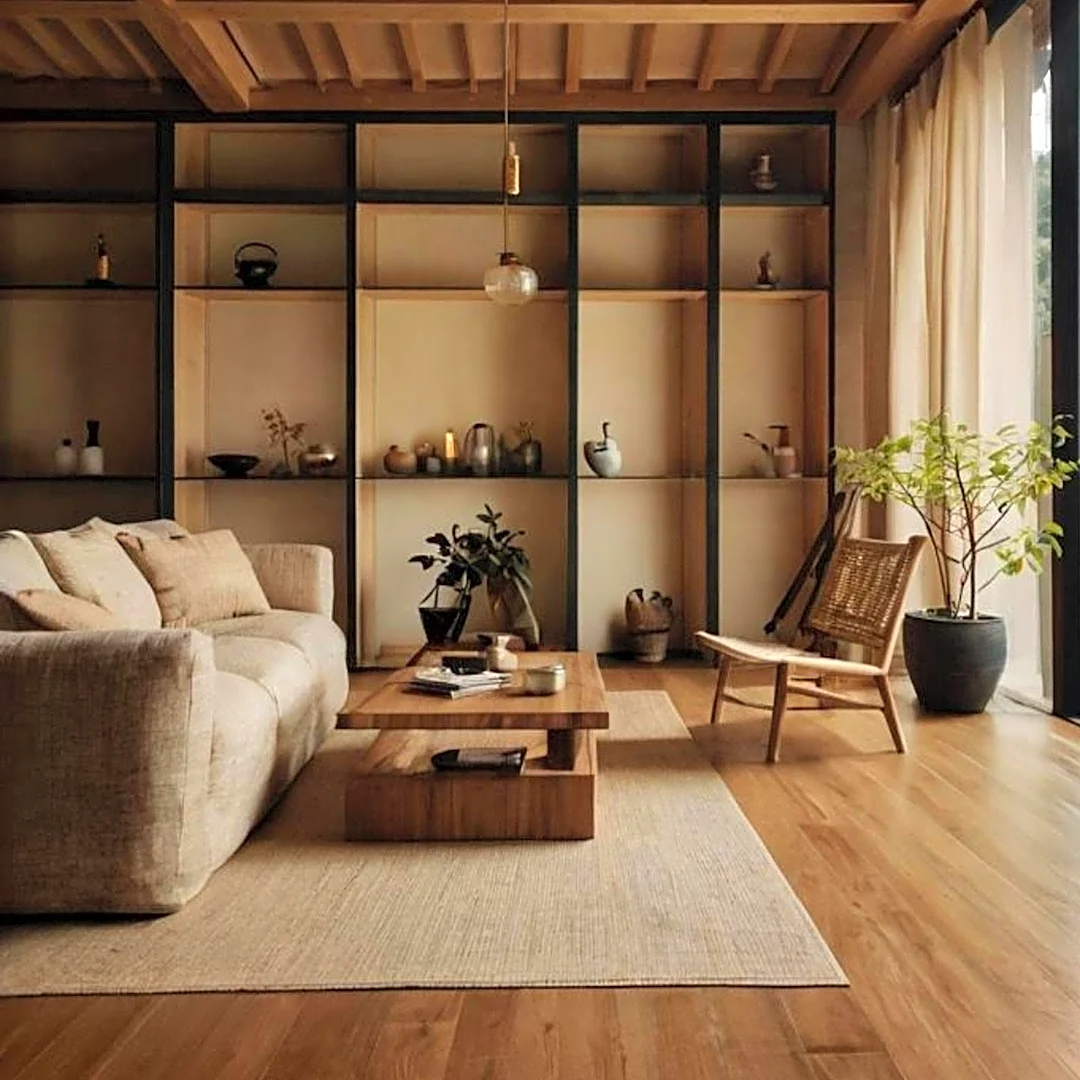
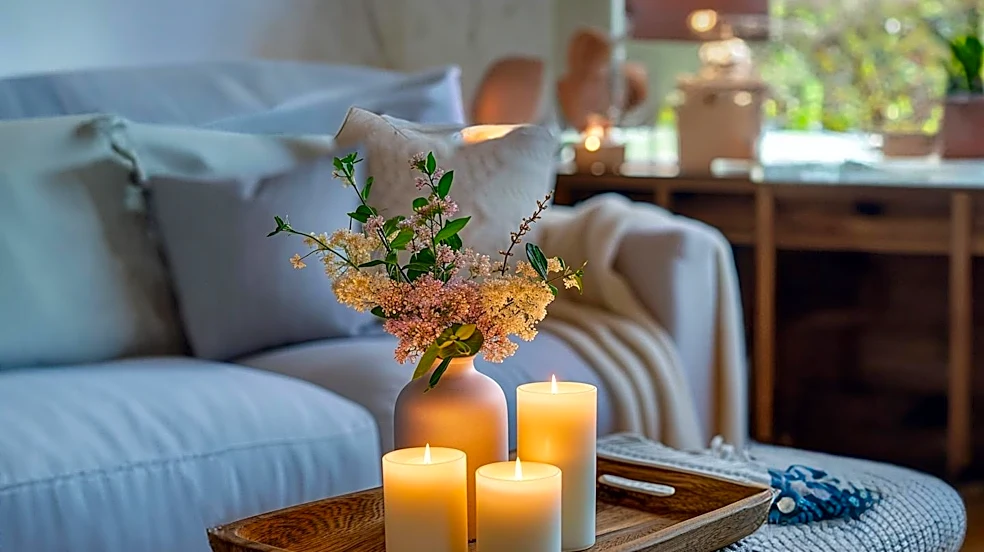
Homeowners are increasingly opting for sustainable and earthy interior design trends, moving away from synthetic materials towards natural elements like raw wood, linen, terracotta, and indoor greenery. This shift aims to create tranquil, eco-friendly
living spaces. The trend emphasizes nature-inspired color palettes, optimization of natural light, conscious craftsmanship, and the use of non-toxic materials. This design philosophy balances aesthetic sophistication with environmental responsibility, particularly in urban apartments where residents seek to integrate nature into their homes. The focus is on natural textures, organic color schemes, and renewable materials to foster calm and restorative environments. Key material choices include reclaimed wood, natural stones like granite and terracotta, eco-friendly fabrics such as organic cotton and jute, and low-VOC paints and finishes to improve indoor air quality.
Why It's Important?
This growing trend reflects a broader societal movement towards sustainable living, health consciousness, and environmental stewardship. For the U.S. housing market and related industries, it signifies a substantial shift in consumer demand. Manufacturers of building materials, furniture, and home decor will need to adapt by increasing their offerings of sustainable, non-toxic, and ethically sourced products. The emphasis on energy efficiency, water conservation, and green building practices will likely drive innovation in construction and interior design sectors. This trend also impacts real estate, as properties incorporating these sustainable elements may become more desirable and valuable. Homeowners stand to gain from healthier living environments, reduced energy costs, and increased property value, while industries that fail to adapt to these eco-conscious preferences may face declining demand.
What's Next?
The demand for sustainable and earthy home designs is expected to continue its upward trajectory. This will likely lead to further integration of green building certifications and standards in residential construction and renovation projects. Architects and interior designers will increasingly specialize in biophilic and sustainable design principles. We can anticipate more widespread availability of eco-friendly materials and smart home technologies focused on energy and water conservation. Educational initiatives for homeowners on sustainable practices and material choices will also become more prevalent. Furthermore, the real estate market may see a rise in listings highlighting sustainable features, influencing appraisal methods and buyer expectations. The industry will likely continue to explore how to make high-performance, sustainable homes accessible to a broader market.
Beyond the Headlines
The embrace of sustainable and earthy interior design extends beyond mere aesthetics; it represents a cultural shift towards mindfulness and well-being within the home environment. This trend highlights a deeper connection between human health and the built environment, emphasizing the psychological benefits of natural light, organic materials, and indoor greenery. Ethically, it underscores a growing consumer awareness of the environmental impact of production and consumption, pushing industries towards greater transparency and responsibility in their supply chains. Legally, this could lead to more stringent building codes and regulations promoting sustainable construction. Culturally, it signifies a rejection of fast-decor trends in favor of timeless craftsmanship and spaces that promote long-term wellness and environmental consciousness, transforming homes into mindful sanctuaries.