



What's Happening?
A group of 12 students from Massachusetts, participants in the Tenacity program, attended the U.S. Open Tennis Tournament in New York City. Chaperoned by Mike Kennedy, director of Tenacity's summer and school year rackets and fitness program, the students received
ground passes from the U.S. Tennis Association for free and a $2,000 grant for accommodations and transportation. This marks the first time Tenacity students have attended the U.S. Open as part of a collaboration between the organization and the U.S. Tennis Association. The students, including Zoe Tello and Maliq Rosenthal from Worcester, spent four hours watching matches and practices, gaining exposure to professional tennis. Tenacity is a nonprofit that provides free tennis and literacy instruction to underserved children aged 8 to 13 in various Massachusetts communities, such as Boston, Chelsea, and Worcester. Ned Eames, a Doherty Memorial High School graduate and former collegiate tennis player, founded Tenacity in 2008.
Why It's Important?
This initiative is significant because it provides underserved youth with a unique opportunity to experience a major professional sporting event, which can inspire and motivate them. Mike Kennedy emphasized that tennis instills numerous life skills, including self-reliance, problem-solving, time management, resilience, patience, perseverance, teamwork, and self-confidence. For many of these young participants, who may not be extraordinary players at their age, witnessing the U.S. Open firsthand can ignite a deeper interest in the sport and its associated benefits. The program's focus on both tennis and literacy addresses critical developmental needs, offering a holistic approach to youth empowerment. By fostering these skills, Tenacity contributes to the personal growth and future success of these children, potentially opening doors to opportunities they might not otherwise encounter. The collaboration with the U.S. Tennis Association highlights the importance of partnerships in expanding access to sports and educational resources for disadvantaged communities.
What's Next?
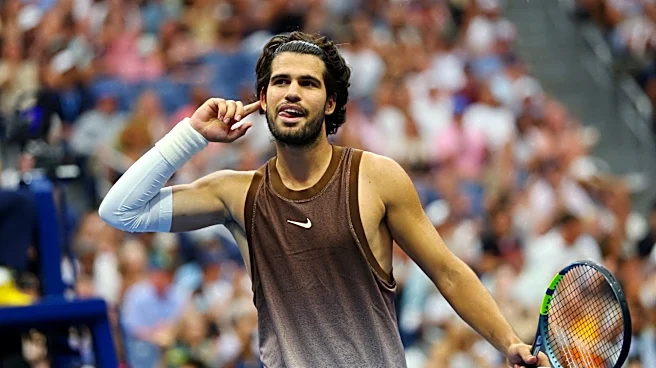
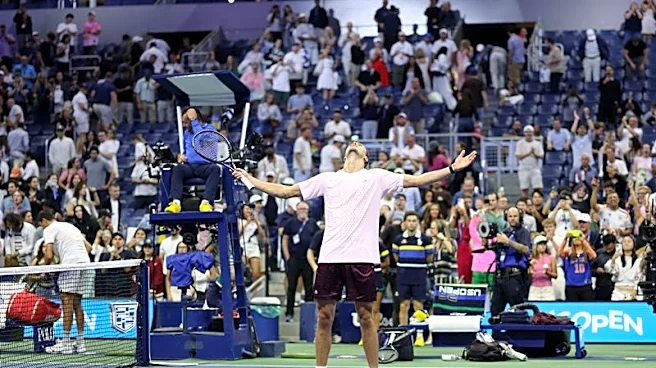
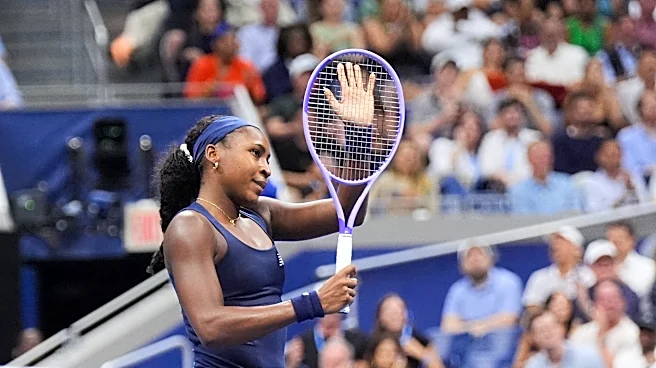
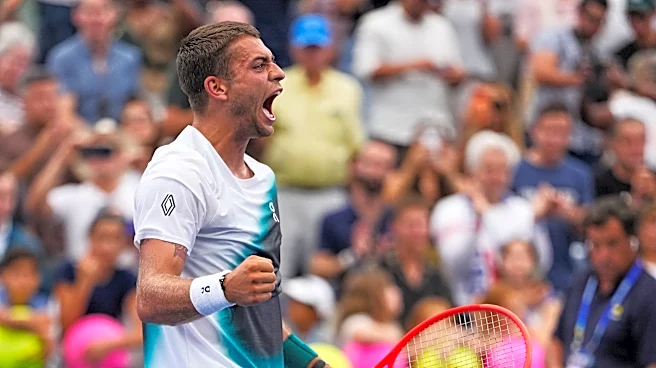
The success of this inaugural trip to the U.S. Open suggests potential for future collaborations between Tenacity and the U.S. Tennis Association, possibly leading to more opportunities for underserved youth to attend major tennis events. The exposure gained by the students could lead to increased participation in Tenacity's programs and a greater interest in tennis within their communities. Continued funding and support, such as the $2,000 grant for accommodations and transportation, will be crucial for sustaining and expanding such initiatives. Tenacity will likely continue its efforts to integrate tennis and literacy instruction, building on the life skills emphasized by Mike Kennedy. The organization may also seek to broaden its reach to more communities in Massachusetts, further impacting the lives of young people through sports and education. The positive experience of seeing professional players like Taylor Fritz, Coco Gauff, Ben Shelton, and Taylor Townsend compete could inspire some of these students to pursue tennis more seriously.
Beyond the Headlines
Beyond the immediate experience of attending the U.S. Open, this program underscores the broader societal impact of sports-based youth development initiatives. It highlights how sports can serve as a powerful vehicle for teaching valuable life lessons that extend far beyond the court, preparing young individuals for challenges in various aspects of life. The emphasis on self-reliance, problem-solving, and resilience is particularly pertinent in today's rapidly changing world, equipping children with the mental fortitude needed to navigate complex situations. Furthermore, the program addresses issues of equity and access, ensuring that children from underserved backgrounds have opportunities that might otherwise be exclusive. This initiative also subtly promotes diversity within the sport of tennis, potentially inspiring a new generation of players and fans from varied demographics. The long-term ripple effect could include improved academic performance, enhanced social skills, and a greater sense of community engagement among the participants.