





What's Happening?
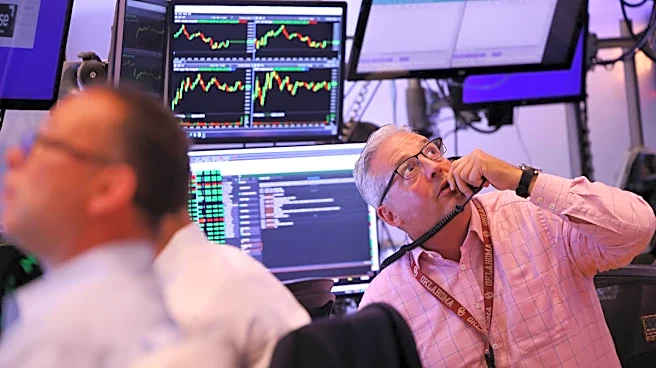
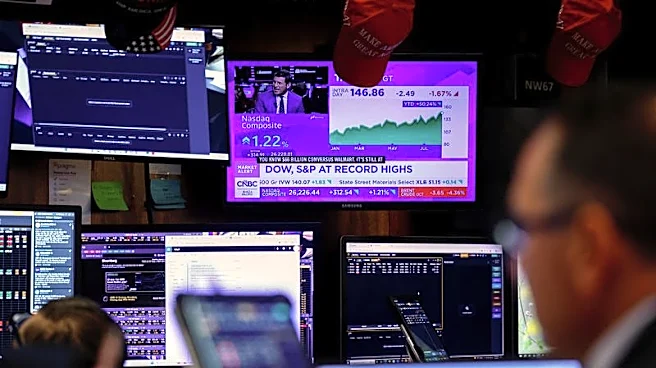
Mortgage rates in the U.S. are holding steady at approximately 6.5%, with the 10-year Treasury yield slightly decreasing to 4.67%. This stability comes as the NASDAQ index saw a significant rise of over 2%, while oil prices fell below $78 per barrel.
The economic landscape is being closely monitored with upcoming data releases, such as June factory orders and a speech by Kansas City Fed President Jeffrey Schmid, which could influence future rate movements. Despite the elevated rates from recent lows, homeowners are considering refinancing options to secure better terms. The current economic environment is prompting potential homebuyers to seek expert advice and explore financial assistance programs.
Why It's Important?
The stability of mortgage rates at 6.5% is significant for the housing market and broader economy. It affects homeowners considering refinancing to lower their monthly payments and potential buyers evaluating their purchasing power. The steady rates also reflect broader economic conditions, including stock market performance and commodity prices, which influence consumer confidence and spending. As rates remain elevated, the decision to refinance or purchase a home becomes more critical, impacting household financial planning and the real estate market's health. The economic indicators and Fed communications will be pivotal in shaping future rate expectations and financial strategies for consumers.
What's Next?
The upcoming economic data releases and Fed communications will be crucial in determining the direction of mortgage rates. Stakeholders, including potential homebuyers and current homeowners, will be watching closely for any signs of rate changes. The market's response to these indicators could influence refinancing decisions and home purchasing activity. Additionally, the broader economic context, such as stock market trends and commodity prices, will continue to play a role in shaping consumer confidence and financial planning. As the situation evolves, financial institutions and policymakers will need to adapt their strategies to support the housing market and economic stability.