




What's Happening?
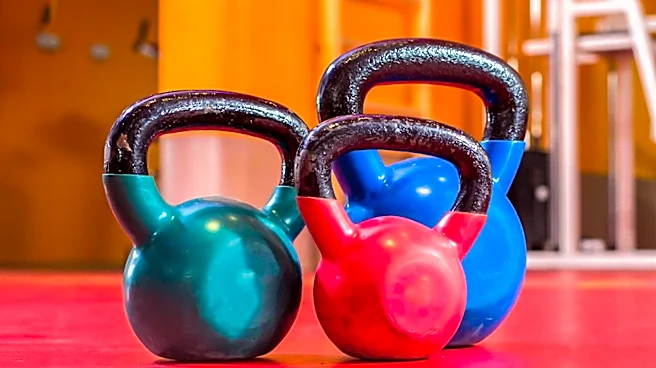
Kettlebells are recognized as highly versatile fitness tools, offering a range of benefits for strength, aerobic capacity, and balance. There are several types of kettlebells available, each suited for different user needs. Cast iron kettlebells are considered
the industry standard, providing good value and handles that increase in size with weight, making them suitable for general home use. Competition kettlebells maintain a consistent shape and handle size across all weights, catering to serious lifters and sports-specific training. For beginners or those concerned about floor protection, vinyl or rubber-coated kettlebells offer a softer exterior and a grippier surface. Kettlebell training is efficient, with research indicating improvements in aerobic capacity, strength, and balance. A single kettlebell can facilitate a full-body workout by covering various exercise patterns such as hinge, squat, press, pull, and carry. The kettlebell swing is a signature exercise that effectively targets glutes, hamstrings, and the back while elevating heart rate. Beginners are advised to start with a light to moderate kettlebell for presses and a heavier one for swings and deadlifts, progressively increasing weight as their form improves. A comprehensive kettlebell workout, including warm-up and five exercises with rest intervals, can be completed in approximately 20 minutes.
Why It's Important?
The versatility and efficiency of kettlebells make them a significant tool in the fitness industry, particularly for individuals seeking comprehensive workouts with minimal equipment. Their ability to combine strength, power, and cardiovascular fitness in a single session addresses the growing demand for time-efficient exercise solutions. This is particularly relevant for home fitness enthusiasts, as a single kettlebell can replace multiple machines, saving space and cost. The emphasis on functional movements like swings and deadlifts contributes to improved overall physical performance and injury prevention, benefiting a broad demographic from casual exercisers to athletes. The availability of different kettlebell types—cast iron, competition, and coated—ensures accessibility for various user levels and preferences, expanding the market for fitness equipment manufacturers and retailers. Furthermore, the documented health benefits, such as enhanced aerobic capacity and core strength, underscore their importance in promoting public health and meeting national activity guidelines, making them a valuable asset in personal training programs and gym offerings.
What's Next?
As awareness of kettlebell benefits grows, the fitness industry may see continued innovation in kettlebell design, potentially including more adjustable models that save space and cater to progressive training. There could be an increase in specialized kettlebell training programs and certifications offered by fitness professionals, further integrating kettlebells into mainstream fitness routines. Manufacturers might focus on developing more ergonomic designs or incorporating smart technology to track usage and provide feedback. For consumers, the trend towards home gyms suggests a sustained demand for versatile equipment like kettlebells, leading to more competitive pricing and wider availability. Educational content, such as online tutorials and workout plans, is also likely to expand, helping beginners adopt proper form and advanced users explore more complex movements. This ongoing evolution will likely solidify kettlebells as a staple in both commercial gyms and personal fitness arsenals.
Beyond the Headlines
Beyond their immediate fitness benefits, kettlebells represent a broader shift in exercise philosophy towards functional training and minimalist equipment. This trend challenges the traditional gym model reliant on numerous specialized machines, promoting a more holistic approach to physical conditioning that emphasizes natural movement patterns and core stability. The accessibility of kettlebells also democratizes fitness, allowing individuals to achieve significant results without expensive gym memberships or extensive equipment. This has implications for public health, potentially reducing barriers to exercise and encouraging more people to engage in physical activity. Ethically, the focus on proper form and progressive overload inherent in kettlebell training promotes safer exercise practices, reducing the risk of injury compared to unsupervised use of complex machinery. Culturally, the resurgence of kettlebells, which have historical roots in strength training, reflects a renewed appreciation for foundational strength and conditioning methods over more superficial fitness trends, fostering a more grounded and effective approach to physical well-being.