
What's Happening?
QuEra Computing is actively seeking a Principal Photonics Engineer to lead the integration and architecture of photonics subsystems within its quantum processing units (QPUs). This senior individual-contributor
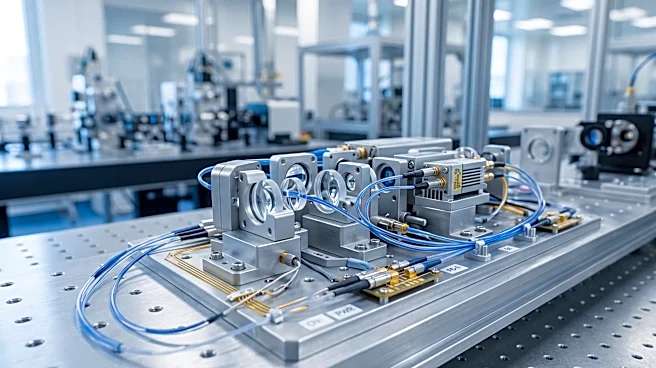
role involves overseeing how free-space beam delivery, photonic chips, lasers, electrical controls, and fiber optics function as a cohesive system. The engineer will be responsible for setting the optical integration architecture, managing technical relationships with external partners in optics, lasers, photonics, and packaging, and guiding integrated subsystems from initial prototypes to full production and deployment. The position requires a Master's or PhD in optics, optical engineering, physics, or a related field, along with over 10 years of industry experience in designing, building, and integrating optical or electro-optical systems. Key responsibilities include architecting free-space optical systems for atom trapping, addressing, and imaging, performing optical modeling and analysis, and driving design for manufacturability and scalability. The role also entails technical leadership of interdisciplinary teams and advancing engineering practices within QuEra.
Why It's Important?
This hiring initiative by QuEra Computing underscores the critical need for specialized engineering talent in the rapidly evolving field of quantum computing. The integration of complex photonics subsystems is fundamental to the performance and scalability of QPUs. By investing in a Principal Photonics Engineer, QuEra aims to enhance the precision, reliability, and manufacturability of its quantum hardware, which is essential for transitioning quantum technologies from laboratory research to deployable products. The successful development and deployment of advanced QPUs have significant implications for various U.S. industries, including defense, finance, and pharmaceuticals, by enabling breakthroughs in computation that are currently impossible with classical computers. This role highlights the intricate engineering challenges involved in building robust quantum systems and the strategic importance of optical integration for achieving practical quantum advantage. The focus on external partnerships also indicates a broader trend in the quantum industry towards collaborative development and specialized supply chains.
What's Next?
The successful recruitment of a Principal Photonics Engineer will enable QuEra Computing to accelerate the development and refinement of its quantum processing units. This will likely lead to more robust and scalable quantum hardware, potentially bringing QuEra closer to commercializing its quantum computing solutions. Future steps will involve the implementation of advanced optical integration architectures, optimization of manufacturing processes, and further collaboration with external technology partners. As QuEra progresses, its QPUs could see increased adoption in research institutions and eventually in commercial applications, driving innovation in quantum algorithms and problem-solving. The company will likely continue to expand its engineering teams to support the full product lifecycle, from research and development to deployment and customer support, as the quantum computing market matures.
Beyond the Headlines
The demand for highly specialized roles like Principal Photonics Engineer in quantum computing reflects a broader shift in the technological landscape, where interdisciplinary expertise is becoming paramount. This role bridges physics, optical engineering, and systems integration, highlighting the complex nature of quantum technology development. The emphasis on 'design for manufacturability, serviceability and scale' indicates a move beyond purely theoretical or experimental quantum computing towards practical, industrial applications. This also points to the growing maturity of the quantum industry, where companies are now focusing on the engineering challenges of producing reliable and scalable quantum hardware. The competitive salary and equity package offered for such roles suggest a high-stakes environment where top talent is crucial for gaining a competitive edge in the global quantum race, potentially influencing national technological leadership and economic competitiveness.