




What's Happening?
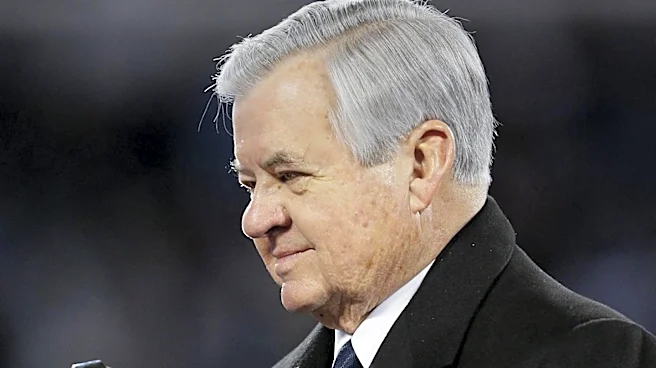
Jed York, the principal owner of the San Francisco 49ers, has been suspended for six regular-season games and fined $500,000 by the NFL for violating the league’s Personal Conduct Policy. This punishment follows an incident last month where York was arrested
in East Palestine, Ohio, for attempting to solicit a prostitute for $160. York had messaged an undercover agent, confirming the price for 'full service sexual activity.' He has since taken a plea and released a statement expressing deep regret, taking full responsibility for his 'inexcusable mistake,' and acknowledging that his actions do not reflect his values.
Why It's Important?
The NFL's decision to fine and suspend a principal owner for a personal conduct violation underscores the league's commitment to upholding its integrity standards, regardless of an individual's position within the organization. This action sends a clear message that high-ranking officials are not exempt from the Personal Conduct Policy, which aims to protect the league's image and reputation. For the 49ers, this incident and the subsequent punishment could impact team morale and public perception, potentially affecting fan loyalty and sponsor relationships. It also highlights the broader scrutiny faced by public figures, where personal actions can have significant professional consequences.
What's Next?
Jed York will serve his six-game suspension, during which he will be prohibited from participating in team activities. His statement indicates a commitment to earning back trust from his family, the team, fans, and partners. The NFL will likely monitor his adherence to the terms of his suspension and any further conduct. This incident may prompt other NFL owners and executives to review their own conduct and the league's policies, reinforcing the importance of maintaining a professional image both on and off the field. The 49ers organization will need to manage the public relations fallout and ensure stability during York's absence.
Beyond the Headlines
This incident transcends a simple violation of league rules; it touches upon broader societal expectations for leaders and public figures. York's acknowledgment of failing to set a proper model for his sons highlights the personal and ethical dimensions of his actions. The NFL's response reflects a growing trend in professional sports to hold individuals accountable for their behavior outside of their professional duties, recognizing that such actions can tarnish the entire league's brand. This case could contribute to ongoing discussions about moral clauses in professional contracts and the extent to which personal conduct impacts professional standing, particularly for those in positions of power and influence.