
What's Happening?
Multifunctional furniture is increasingly vital for maximizing utility and space efficiency in both small commercial environments and compact residential settings. In commercial spaces, this approach involves evaluating each furniture piece for its ability
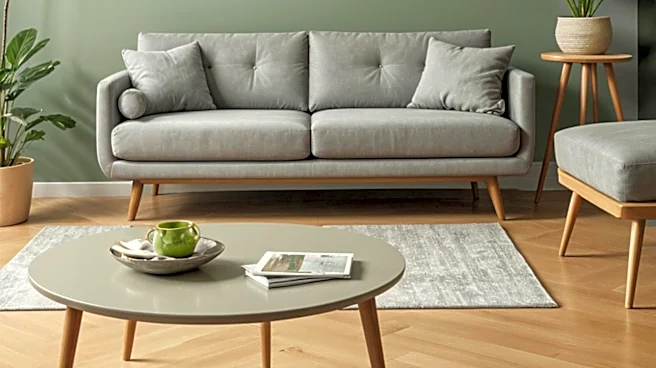
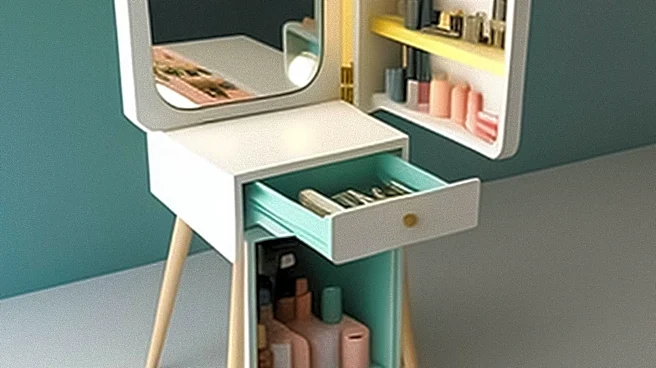
to perform multiple tasks, such as a banquette offering both seating and storage, or a console table doubling as a point-of-sale counter. This strategy helps businesses like cafes and retail stores optimize revenue potential and usable capacity by ensuring furniture is scaled correctly, protects circulation paths, and can be reconfigured for different times of the day. For residential use, particularly in apartments and dorm rooms, items like C-shaped end tables with multi-tier storage provide convenience as side tables, snack tables, or laptop desks while saving floor space. The emphasis is on design that prioritizes movement and function, allowing aesthetics to follow, rather than selecting furniture based solely on visual appeal or for larger room dimensions.
Why It's Important?
The strategic adoption of multifunctional furniture is crucial for urban development and economic efficiency in areas with high population density and limited space. For businesses, it directly impacts profitability by enhancing customer flow and service capacity, turning what might be a cramped space into a functional and inviting environment. This is particularly relevant in the U.S. where commercial real estate costs are significant in many urban centers. For residents, especially in cities, space-saving furniture improves quality of life by making small living areas more livable and organized, addressing the growing demand for affordable housing options that often come with smaller footprints. The ability to adapt spaces for various uses throughout the day also supports flexible work models and diverse community activities, fostering more dynamic and resilient urban economies. This trend reflects a broader shift towards sustainable design and resource optimization in both commercial and residential sectors.
What's Next?
The market for multifunctional furniture is expected to expand, with manufacturers likely to offer more innovative and customizable solutions to meet diverse needs. Businesses will continue to prioritize furniture that can adapt to fluctuating demands, such as modular seating that can be reconfigured for different events or times of day. Designers will increasingly integrate custom-dimensioned furniture to address irregular architectural features in small spaces, moving away from standard catalog sizing. This will lead to a greater emphasis on pre-planning, including mapping circulation paths and testing furniture footprints on-site before purchase. Consumers in small apartments and homes will see a wider array of compact, versatile furniture options, potentially driven by advancements in materials and design that allow for lighter, more durable, and easily movable pieces. The focus will remain on creating visually balanced and clutter-free environments that enhance both functionality and aesthetic appeal.
Beyond the Headlines
The rise of multifunctional furniture signifies a deeper cultural and economic adaptation to urbanization and resource constraints. It challenges traditional notions of single-purpose design, promoting a more fluid and adaptable approach to living and working spaces. This shift has ethical implications, encouraging more sustainable consumption by reducing the need for multiple specialized items and promoting longevity through versatile use. Legally, building codes and accessibility standards may need to evolve to accommodate flexible layouts and ensure that adaptable furniture solutions meet safety and usability requirements. Culturally, it reflects a growing appreciation for minimalism and efficiency, where thoughtful design can significantly enhance well-being in compact environments. This trend also highlights the increasing importance of interior design as a strategic tool for economic success and social comfort, moving beyond mere aesthetics to address fundamental challenges of space and utility.