






What's Happening?
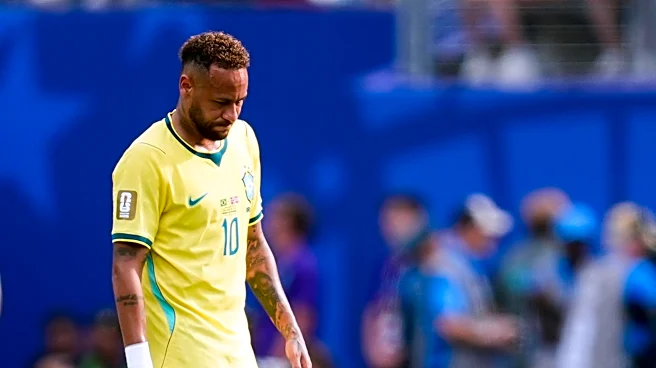
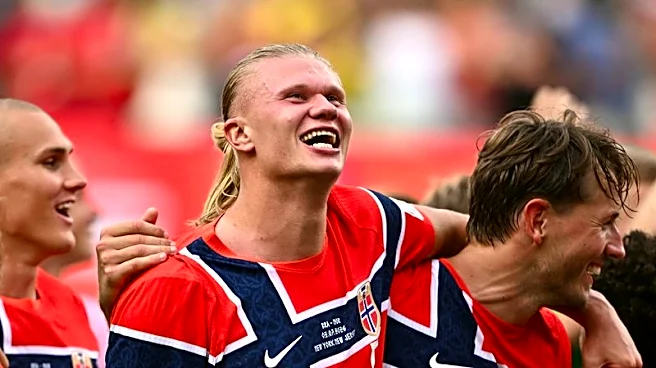
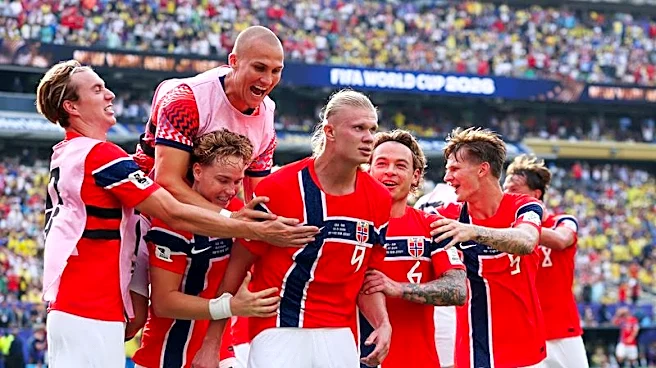
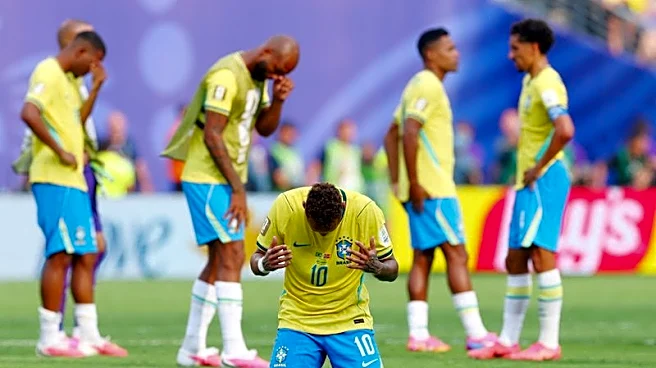
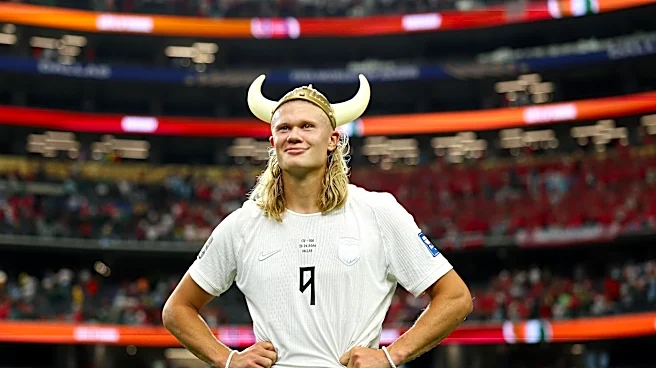
Norway's national football team achieved a historic victory over Brazil in the World Cup, attributed to the country's unique approach to youth sports. Norway's sports system emphasizes participation, safety, and joy for children, allowing them to try multiple
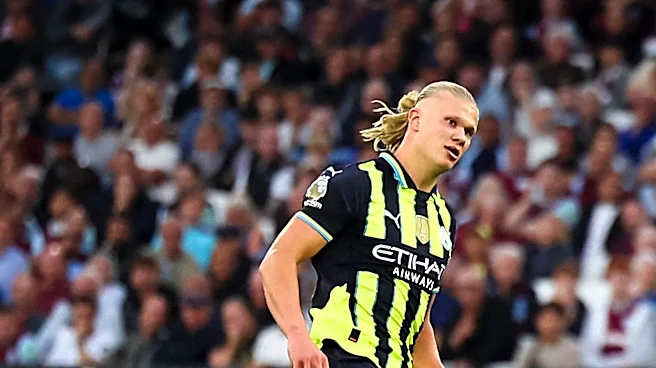
sports without pressure to specialize early. This approach, established by the Norges idrettsforbund (NIF) in 2007, has produced athletes like Erling Haaland, who benefited from a diverse sports background. The system prioritizes children's rights to choose and enjoy sports, which has contributed to Norway's success in various international competitions.
Why It's Important?
Norway's success in the World Cup highlights the potential benefits of a sports system that prioritizes children's enjoyment and development over early specialization. This approach may lead to more well-rounded athletes and could serve as a model for other countries seeking to improve their sports programs. The emphasis on participation and choice aligns with broader educational and developmental goals, promoting physical and mental well-being. Norway's achievements demonstrate that a focus on long-term development can yield competitive success on the international stage.
Beyond the Headlines
The Norwegian model challenges the traditional sports culture that emphasizes early specialization and competition. By allowing children to explore multiple sports, Norway fosters a more inclusive and supportive environment that may lead to higher participation rates and better overall health outcomes. This approach also raises questions about the role of sports in child development and the potential for similar models to be adopted in other countries. The success of Norway's athletes suggests that a shift towards more holistic sports programs could benefit both individuals and society as a whole.