







What's Happening?
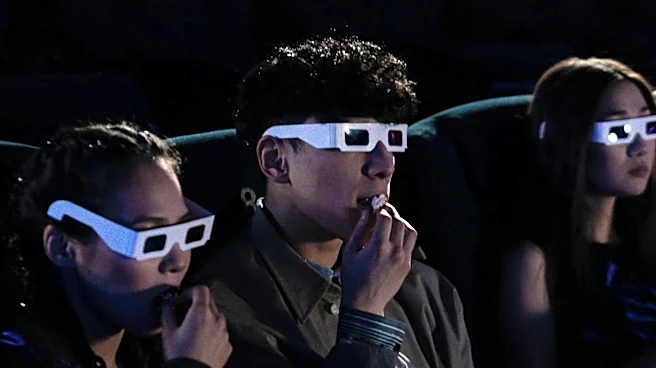
Recent reports highlight the significant impact of Gen Z on the American cinema industry. According to a Fandango survey, 87% of Gen Z respondents watched at least one film in theaters over the past year, with an average of seven movies per person. This
contrasts with Gen X, where 70% watched films in theaters, averaging 6.1 movies. Despite these numbers, the overall cinema attendance remains lower than pre-pandemic levels, with theaters in the U.S. and Canada selling approximately two tickets per capita in 2025, less than half of what was sold in 2002. The industry has adapted by enhancing the cinema experience, offering luxurious seating and diverse activities to attract younger audiences.
Why It's Important?
The engagement of Gen Z is crucial for the future of the cinema industry, as they represent the next generation of moviegoers. Their preferences for video-game franchises and low-budget horror films are shaping production trends. However, the overall decline in theater attendance poses challenges for the industry, which must innovate to remain relevant. The shift in moviegoing habits, from spontaneous outings to planned events, reflects broader changes in consumer behavior. Theaters are responding by diversifying their offerings, which could redefine the traditional cinema experience and impact revenue models, particularly through increased spending on concessions.
What's Next?
The cinema industry is likely to continue evolving to meet the expectations of Gen Z and future generations. This may involve further enhancements to the theater experience, such as more interactive and immersive environments. The industry will also need to balance the appeal of streaming services with the unique experience of theater-going. As Gen Z continues to mature, their influence on content creation and distribution will likely grow, potentially leading to new genres and storytelling methods that cater to their tastes.