



What's Happening?
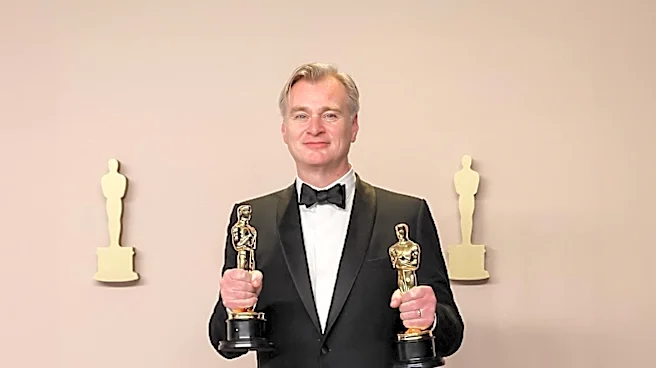
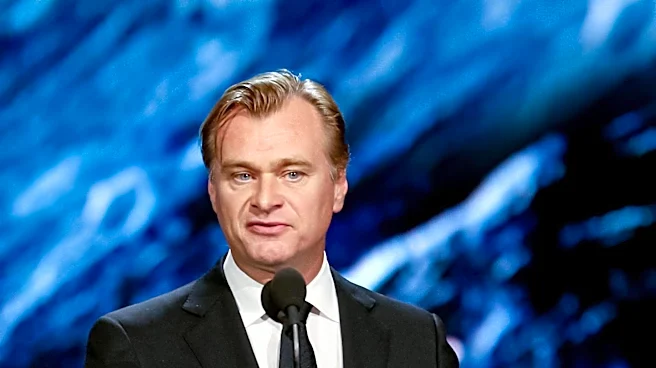
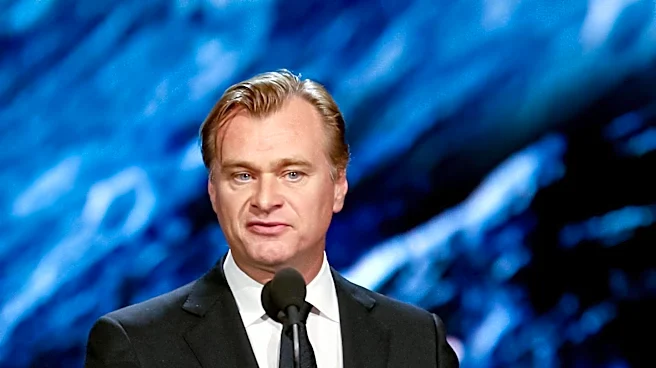
Christopher Nolan's film adaptation of 'The Odyssey' has made significant changes to the original epic by Homer. The film, which condenses the 12,000-line poem into a three-hour movie, omits several characters and scenes, such as the Phaeacians and certain
divine interventions. Nolan's version focuses more on Odysseus's resilience and trauma rather than his cunning nature. Notable changes include the portrayal of the Cyclops, who is less vocal in the film, and the absence of the gods' active roles, with Athena being the only deity depicted as a vision. The film also introduces new elements, such as the character Sinon, drawing from Virgil's 'Aeneid', and emphasizes themes like trading routes, which are not present in the original text.
Why It's Important?
The changes made by Nolan in 'The Odyssey' highlight the challenges of adapting ancient texts for modern audiences. By altering key elements, the film may influence how contemporary viewers perceive the classic story, potentially shifting the focus from the original themes of cunning and divine intervention to resilience and personal struggle. This adaptation could impact the cultural understanding of 'The Odyssey', as it presents a version that aligns more with modern storytelling techniques and sensibilities. The film's approach may also spark discussions about the fidelity of adaptations and the balance between staying true to source material and making it accessible to new audiences.
What's Next?
As 'The Odyssey' continues to be a subject of interest, future adaptations may either follow Nolan's lead in reinterpreting the story or strive to remain more faithful to the original text. The film's reception could influence how other filmmakers approach adaptations of classic literature, potentially encouraging more creative liberties or prompting a return to traditional storytelling. Additionally, the film may inspire academic discussions and analyses regarding the impact of such changes on the perception of ancient literature.