





What's Happening?
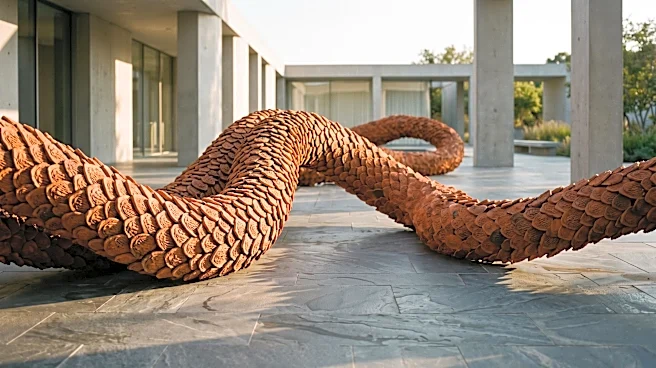
Bvlgari, the Roman High Jeweler, has partnered with Indian artist Doyel Joshi to create a unique artistic expression for Diwali titled 'Passing the Light.' This collaboration features a monumental installation comprising 4,500 hand-sculpted terracotta
elements, inspired by traditional diyas and shaped with Bvlgari's iconic Serpenti motif's scales pattern. The artwork honors the ancestral mastery of the kumhar community and local craftswomen who shaped each piece through a dedicated social enterprise. The project aims to unite Joshi's contemporary vision with ancient traditions, emphasizing living heritage, generational knowledge, and communal craftsmanship. Laura Burdese, CEO of Bvlgari, highlighted India's profound significance to the brand, noting its heritage of artistry and craftsmanship. The installation is illuminated by countless terracotta elements, creating patterns of light and shadow, and serves as a contemporary tribute to the enduring passage of knowledge, creativity, and light across generations. This initiative marks Bvlgari's first global Diwali campaign, celebrating art, craftsmanship, and shared rituals.
Why It's Important?
This collaboration is significant as it showcases a luxury brand's engagement with cultural heritage and social responsibility. By partnering with local artisans and a social enterprise, Bvlgari is not only creating a unique artistic piece but also supporting traditional craftsmanship and empowering local communities. This approach can enhance the brand's image by demonstrating a commitment beyond commercial interests, resonating with consumers who value authenticity and ethical practices. For the kumhar community and local craftswomen, the project provides a platform to showcase their skills on a global stage, potentially leading to increased recognition and economic opportunities. The fusion of traditional Indian art forms with a global luxury brand's aesthetic also highlights the growing trend of cross-cultural collaborations in the luxury market, enriching both artistic and commercial landscapes. It underscores the idea that true luxury can involve giving meaning to inherited traditions and allowing them to evolve with relevance and imagination.
What's Next?
The 'Passing the Light' installation is part of Bvlgari's first global Diwali campaign, suggesting a continued focus on engaging with diverse cultural celebrations. The project is supported by a digital campaign, including a hero film that traces the creation journey across materials and geographies, which will further amplify its reach and message. This digital presence will likely extend the impact of the physical installation, allowing a broader audience to experience the artistic and cultural narrative. Future initiatives from Bvlgari may continue to explore similar collaborations that blend high luxury with local craftsmanship and cultural traditions, particularly in markets with rich artistic heritage like India. The success of this campaign could set a precedent for how luxury brands approach cultural engagement and social responsibility in their global marketing strategies, potentially influencing other brands to adopt similar models of co-authorship and community support.
Beyond the Headlines
Beyond its immediate artistic and commercial implications, this collaboration delves into deeper themes of cultural transmission and the redefinition of luxury. The project emphasizes the idea that luxury is not merely about material value but also about the preservation of generational knowledge, stories, and craftsmanship. By highlighting the shared alchemy of craftsmanship between terracotta and gold, the initiative draws a parallel between diverse artistic traditions, suggesting a universal language of creation. This approach challenges conventional notions of luxury by integrating social enterprise and community empowerment into its core narrative. It also reflects a broader societal shift towards valuing products with a story, ethical origins, and a positive social impact. The 'Passing the Light' installation serves as a powerful symbol of how art can bridge cultures and traditions, transforming familiar elements into something deeply meaningful and contemporary, while ensuring that heritage remains alive and relevant.