
What's Happening?
Naples Park, a neighborhood in Collier County, Florida, is experiencing a unique real estate market due to its lack of a homeowners association and its distinct zoning regulations. The area consists of 50-foot
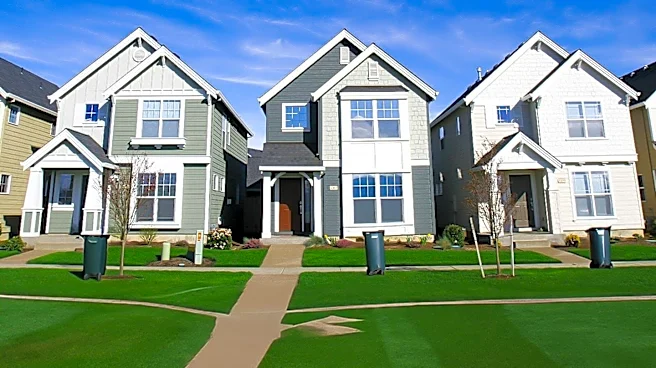
lots governed by county zoning and the Florida Building Code. This has led to a teardown economy where land value often exceeds the value of existing structures. The neighborhood is characterized by a mix of older homes and new constructions, with a significant portion of properties owned by out-of-state residents. The market is driven by local knowledge of zoning and flood zones, impacting property values and development potential.
Why It's Important?
The real estate dynamics in Naples Park highlight the complexities of property development in areas without traditional governance structures like homeowners associations. This situation presents both challenges and opportunities for buyers and sellers. For developers, understanding the local zoning laws and flood zones is crucial for maximizing property value. For residents, the lack of an HOA offers freedom but also requires reliance on county services for infrastructure and code enforcement. The area's market conditions reflect broader trends in real estate where land value and redevelopment potential are key drivers.
What's Next?
Future developments in Naples Park will likely focus on addressing infrastructure needs, particularly in terms of drainage and flood management. As the county continues its Basin 101 project, which aims to improve water, wastewater, and stormwater systems, property values may be affected. Additionally, the ongoing trend of teardowns and new constructions will continue to shape the neighborhood's landscape. Stakeholders, including real estate agents and local government, will need to navigate these changes carefully to balance growth with community needs.
Beyond the Headlines
The situation in Naples Park underscores the importance of adaptive urban planning in response to changing real estate markets. The neighborhood's experience may serve as a case study for other areas facing similar challenges. It also raises questions about the role of local governance in managing development and maintaining community character. As more areas consider eliminating or reducing the influence of HOAs, Naples Park's model of county-led governance could become more common, prompting discussions about the future of community management.