





What's Happening?
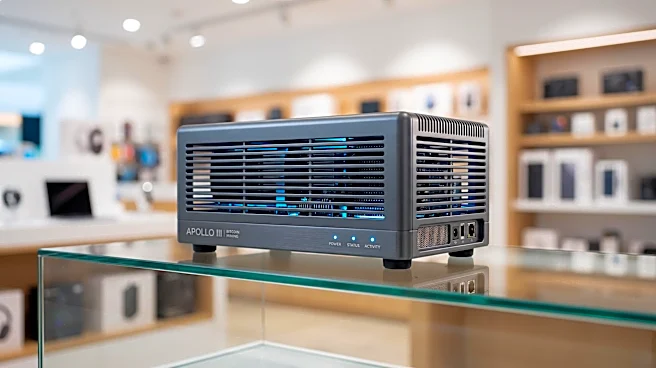
Futurebit, a Brooklyn-based company, is expanding its reach by partnering with Micro Center to sell its Apollo III Bitcoin mining machines in retail stores. Starting November 13, the Apollo III Full Node will be available at four Micro Center locations:
Brooklyn, New York; Miami, Florida; Tustin, California; and Austin, Texas. This marks Futurebit's first venture into physical retail, allowing consumers to inspect the hardware and learn about Bitcoin mining before making a purchase. The Apollo III is a desktop-sized mining system featuring American-engineered 3-nanometer ASIC chips, capable of delivering up to 18 terahash per second (TH/s) in Turbo mode. It also includes an integrated Bitcoin full node, solo mining capabilities, an eight-core ARM processor, 8GB of RAM, and up to 2TB of storage, enabling users to independently validate transactions and attempt to mine blocks without relying on external mining pools. This retail push coincides with increased attention on solo miners successfully discovering Bitcoin blocks despite extremely low odds, with 38 documented solo-mining victories in 2026.
Why It's Important?
This move by Futurebit is significant for several reasons. Firstly, it democratizes access to Bitcoin mining hardware, moving it beyond specialized online markets and into mainstream retail. This accessibility could encourage more individuals to participate in Bitcoin mining and node operation, potentially decentralizing the network's infrastructure which is currently dominated by industrial mining companies and large pools. By making independent mining more accessible, Futurebit aims to distribute Bitcoin's infrastructure more broadly, enhancing the network's resilience and security. Secondly, the availability of these machines in retail stores could educate a wider audience about the technical aspects of Bitcoin and blockchain technology. The ability for consumers to physically interact with mining hardware and learn about its function could demystify cryptocurrency for many, fostering greater understanding and adoption. The timing also capitalizes on recent successes of solo miners, which could inspire more individuals to try their hand at mining, even with the understanding that block discoveries remain statistically rare.
What's Next?
Following the initial rollout in four U.S. locations, Futurebit may consider expanding its retail presence to more Micro Center stores or other electronics retailers, depending on the success of this pilot program. The partnership could also pave the way for other cryptocurrency hardware manufacturers to explore retail distribution channels, further integrating crypto-related products into mainstream consumer electronics. As more individuals gain access to mining hardware, there could be a slight increase in the number of solo miners, potentially leading to more instances of individual block discoveries, which often generate significant media attention. Furthermore, the increased visibility of these devices in retail settings might prompt more discussions around the energy consumption of home mining and the overall environmental impact of Bitcoin, potentially leading to innovations in more energy-efficient mining solutions for consumers. The company's focus on decentralization suggests continued efforts to make Bitcoin infrastructure more accessible to the average user.
Beyond the Headlines
Beyond the immediate sales and accessibility, Futurebit's retail strategy touches upon the core ethos of Bitcoin: decentralization. By empowering individuals to run their own nodes and mine independently, the company is contributing to a more robust and distributed network, which is crucial for Bitcoin's long-term security and censorship resistance. This initiative challenges the trend of increasing centralization in mining operations, which has been a concern for many in the cryptocurrency community. The presence of Bitcoin mining rigs in physical stores also signifies a growing mainstream acceptance and normalization of cryptocurrency hardware, moving it from a niche, online-only product to a tangible consumer electronic. This shift could have broader cultural implications, making Bitcoin and its underlying technology feel more accessible and less abstract to the general public, potentially fostering greater trust and engagement with the digital asset ecosystem. It also highlights the ongoing tension between industrial-scale mining and the desire for individual participation in securing the network.