




What's Happening?
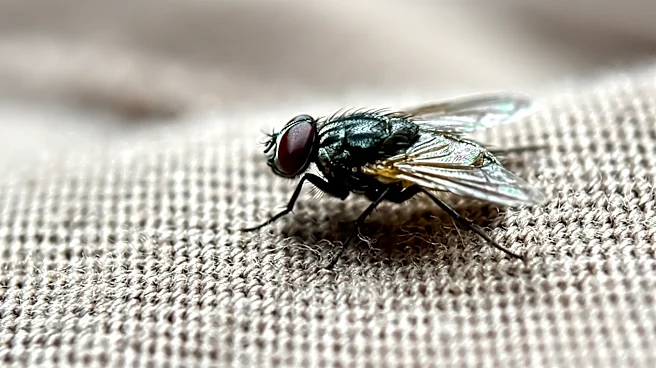
Homeowners in Huntsville are being educated on specific areas within their yards where fleas can survive and thrive, despite most open turf being lethal to these pests. Fleas require shaded, damp, and still environments to complete their life cycle, as direct
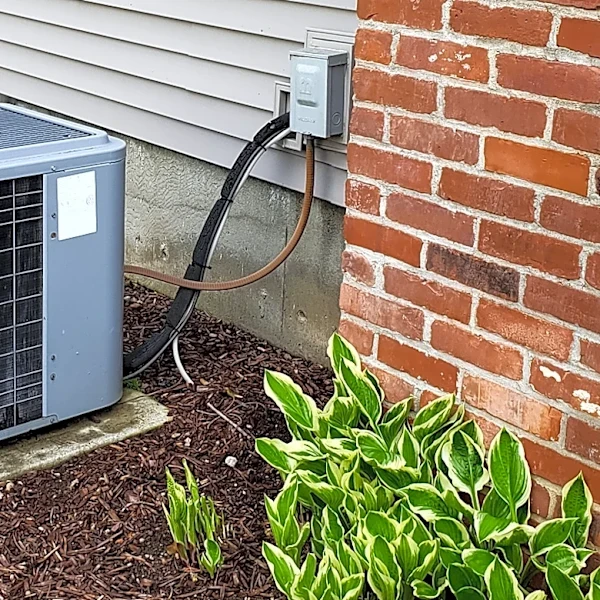
sunlight and low humidity are detrimental to their larvae. The primary locations identified for flea survival include the shaded ground around foundations, the spaces underneath decks and porches, crawl spaces, and outbuildings that may house wildlife or feral animals. These areas provide the necessary microclimates—consistent dampness, shade, and minimal air movement—that allow flea eggs and larvae to develop. Adult fleas, which reside on animals, lay eggs that are not sticky and fall off wherever the host animal goes. The survival of these eggs and subsequent larvae is entirely dependent on the microclimate of where they land. For instance, relative humidity below 50 percent and soil temperatures above 95 degrees Fahrenheit are lethal to flea larvae. Therefore, effective flea control strategies should focus on these specific, limited areas rather than broad applications across entire sunny lawns, which are naturally inhospitable to fleas.
Why It's Important?
Understanding the specific habitats where fleas can survive is crucial for Huntsville homeowners, as it allows for more effective and targeted pest control, potentially reducing the need for widespread chemical applications. This targeted approach can lead to cost savings and minimize environmental impact by concentrating treatments only where they are most needed. The presence of fleas in residential areas not only poses a nuisance but also carries health implications for pets, such as the transmission of dog tapeworm. While cat fleas, common in the Gulf South, do not typically carry plague, their ability to infest homes and pets necessitates effective management. By identifying and addressing these specific zones—foundations, under decks, crawl spaces, and outbuildings—homeowners can disrupt the flea life cycle at its source. This knowledge empowers residents to take proactive measures, such as sealing off crawl spaces and deck skirting to prevent wildlife access, thereby reducing the egg supply and starving out adult flea populations. This approach highlights the interconnectedness of pest control with home maintenance and wildlife management, offering a holistic strategy for a healthier living environment.
What's Next?
Huntsville homeowners are encouraged to inspect their properties for these identified flea habitats. This involves checking the coolness and dampness of mulch under shrubs near foundations, examining under decks and porches for signs of animal denning, verifying the integrity of crawl space access points and vents, and inspecting outbuildings for wildlife presence. If flea dirt is found on pets, even without visible adult fleas, it indicates an active flea cycle on the property. For persistent issues, professional pest control services can conduct targeted inspections and treatments. These services often involve EPA-registered sprays for adult fleas and granules containing insect growth regulators to target eggs and larvae, typically applied in a recurring cycle due to the resilience of flea pupae. Homeowners can also implement non-chemical solutions, such as removing leaf litter and old mulch from under low decks and sealing off access points to prevent animals from nesting. Addressing the host animal, often through veterinary-prescribed topical or oral preventives, remains a critical component of comprehensive flea control, as wildlife like opossums and feral cats can continuously reintroduce fleas to a yard.
Beyond the Headlines
The detailed understanding of flea microclimates in Huntsville yards reveals a deeper ecological principle: the critical role of environmental conditions in pest survival and control. This goes beyond simply spraying for pests, emphasizing that effective management often involves altering the environment to make it inhospitable to the target species. The fact that flea pupae can remain dormant for months and are impervious to insecticides highlights the limitations of chemical treatments alone and underscores the necessity of integrated pest management. This approach, combining environmental modification, host management, and targeted chemical applications, represents a more sustainable and effective long-term solution. Furthermore, the article subtly touches upon urban wildlife management, as the presence of opossums, raccoons, and feral cats significantly contributes to flea populations in residential areas. This suggests a broader community-level challenge in managing wildlife interactions within suburban environments, impacting not only pest control but also public health and ecological balance. The emphasis on homeowner vigilance and proactive measures also promotes a greater sense of responsibility and engagement in maintaining a healthy living space.