



What's Happening?
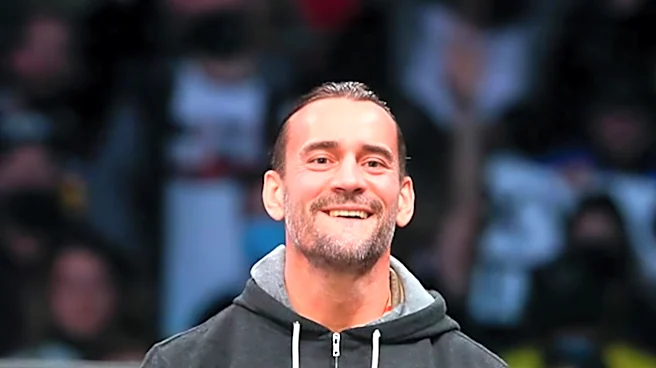
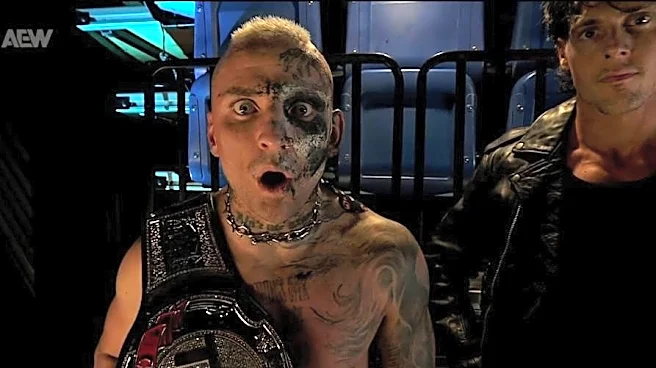
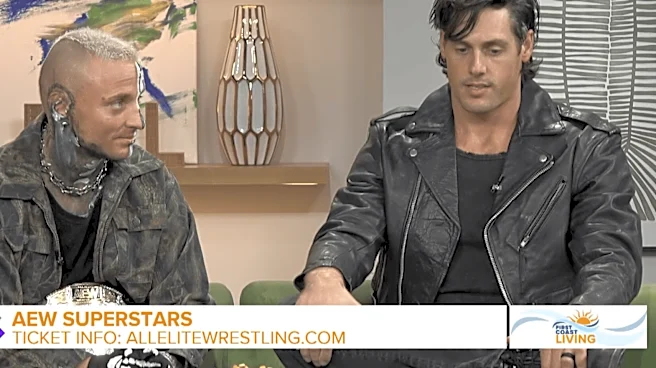
WWE Hall of Famer Mick Foley recently advised AEW star Darby Allin regarding his dangerous, high-risk wrestling style. Foley confirmed during a Sign-it-Live virtual signing hosted by Highspots that he spoke with Allin about the risks associated with his in-ring
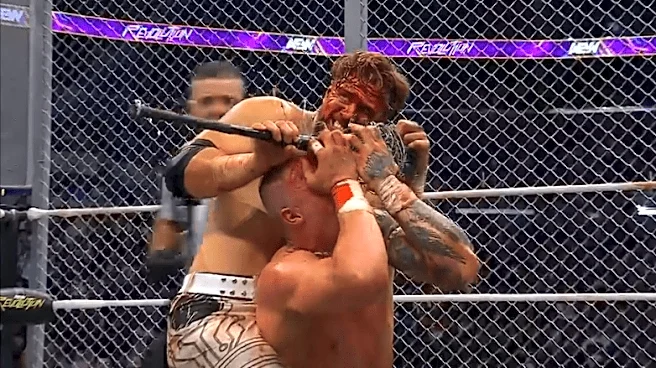
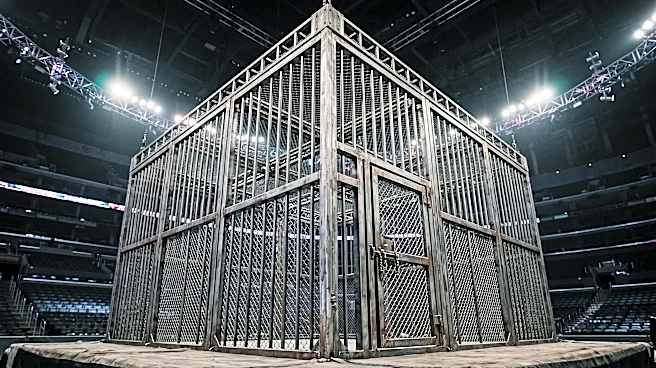
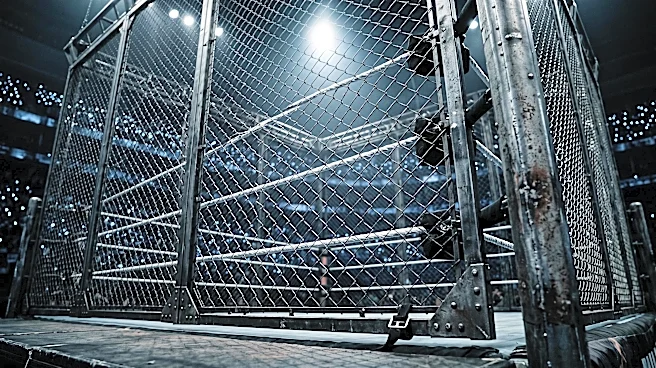
performances. According to Foley, Allin acknowledged and appreciated the feedback but made it clear that he intends to continue his current approach. Foley stated that he suggested Allin "calm down" rather than stop his style entirely. This conversation followed Allin's involvement in a particularly dangerous moment during the November 4 episode of AEW Dynamite's men's Blood & Guts match, where he was thrown from the top of a steel cage through tables below by Wardlow. Foley also noted Allin was walking "a little gingerly" after the match, highlighting the physical toll of his style.
Why It's Important?
This interaction highlights a recurring concern within professional wrestling regarding performer safety and the long-term health implications of high-risk maneuvers. For AEW, having a prominent star like Darby Allin consistently engaging in dangerous stunts can draw significant viewership and create memorable moments, but it also carries the risk of serious injury, which could impact Allin's career longevity and the promotion's reputation. The advice from a legendary 'hardcore' wrestler like Mick Foley, who is well-acquainted with the physical costs of such a style, underscores the severity of the concern. Allin's decision to continue his approach suggests a commitment to his character and performance style, which resonates with a segment of the fanbase that appreciates extreme wrestling. However, it also places him at higher risk for career-ending injuries, potentially affecting AEW's roster stability and future storylines.
What's Next?
Given Darby Allin's stated intention to continue his high-risk wrestling style, it is likely that fans will see more of his signature dangerous stunts in upcoming AEW matches. This could lead to continued high-impact moments that generate buzz and viewership for AEW. However, it also increases the probability of injuries, which could force Allin to take time off or potentially alter his career trajectory. The wrestling community, including other performers and fans, will likely continue to monitor Allin's health and performance closely. AEW management may face ongoing discussions about balancing creative freedom and performer safety, especially if Allin sustains significant injuries due to his style. The situation could also spark broader conversations within the industry about the responsibility of promotions to protect their talent from self-inflicted risks.
Beyond the Headlines
Darby Allin's unwavering commitment to his dangerous wrestling style, despite advice from a veteran like Mick Foley, touches upon deeper themes of artistic integrity, personal agency, and the culture of professional wrestling. Allin's approach can be seen as a form of performance art, where the physical risks are integral to his character and connection with the audience. This raises ethical questions about the line between entertainment and self-harm, and the role of promotions in managing such risks. It also reflects a segment of the wrestling fanbase that values extreme, high-impact action, potentially influencing other performers to adopt similar styles to gain popularity. The long-term consequences for Allin's body and mind, as well as the potential influence on younger wrestlers, are significant, highlighting the complex interplay between athletic performance, entertainment, and personal well-being in the demanding world of professional wrestling.