





What's Happening?
Aurora Innovation, Inc. (NASDAQ: AUR), a technology company focused on developing driverless trucks, is currently under investigation by Bleichmar Fonti & Auld LLP (BFA Law) for potential securities fraud. The investigation stems from allegations that
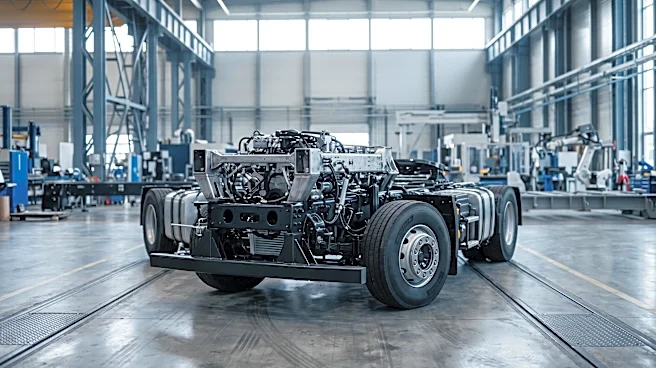
Aurora misled investors regarding delays in the production of its autonomous vehicles. Previously, Aurora had assured investors it would be producing 20 trucks per week by the third quarter of 2026 and expected to have over 200 trucks operating in the Sunbelt region by the end of that year. However, on October 28, 2026, the company disclosed that its 'production ramp' was approximately six weeks behind schedule, pushing the 200-driverless-truck milestone to the end of February 2027. This announcement also led to a 40% reduction in Aurora's 2026 revenue guidance. Following this disclosure, Aurora's stock price fell by approximately 13.5% on October 29, 2026, prompting the securities fraud investigation.
Why It's Important?
This investigation is significant for several reasons, primarily impacting investor confidence and the burgeoning autonomous vehicle industry. For Aurora Innovation, a finding of securities fraud could result in substantial financial penalties, reputational damage, and a loss of investor trust, potentially hindering future funding and development efforts. For investors who purchased Aurora securities, the investigation offers a potential avenue for recourse to recover losses incurred due to the alleged misrepresentations. More broadly, this situation highlights the inherent risks and challenges in developing and commercializing advanced technologies like autonomous trucking. Delays in production and unmet promises can severely impact a company's market valuation and investor perception, underscoring the importance of transparent communication from technology firms to their stakeholders. The outcome of this investigation could also set precedents for how emerging technology companies are held accountable for their projections and timelines.
What's Next?
Investors who purchased Aurora securities are encouraged to contact BFA Law to discuss their legal options, as the firm is actively gathering information for a potential class-action lawsuit. The investigation will likely involve a thorough review of Aurora's past statements, internal communications, and production timelines to determine if there were deliberate misrepresentations to investors. Aurora Innovation will likely face increased scrutiny from regulators and the investment community regarding its future production targets and financial guidance. Depending on the findings, the company could face legal proceedings, settlements, or other penalties. The autonomous trucking industry as a whole may also experience a ripple effect, with investors potentially becoming more cautious about similar ventures, demanding greater transparency and more conservative projections from companies in this sector.
Beyond the Headlines
The investigation into Aurora Innovation extends beyond immediate financial implications, touching upon broader themes of corporate accountability in the high-stakes technology sector. The rapid pace of innovation often leads to ambitious projections, but this case underscores the legal and ethical imperative for companies to provide accurate and realistic assessments of their progress. The incident could prompt a re-evaluation of how emerging technology companies communicate development timelines and production capabilities to the public and investors, potentially leading to stricter disclosure requirements or increased regulatory oversight. Furthermore, it highlights the delicate balance between fostering innovation and protecting investors from overly optimistic or misleading statements. The outcome of this investigation could influence investor behavior in the autonomous vehicle market, potentially shifting investment towards companies with more proven track records or more conservative growth strategies, thereby shaping the future landscape of this transformative industry.