


What's Happening?
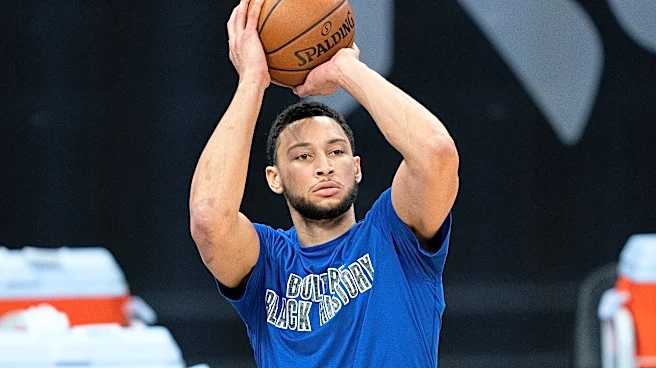
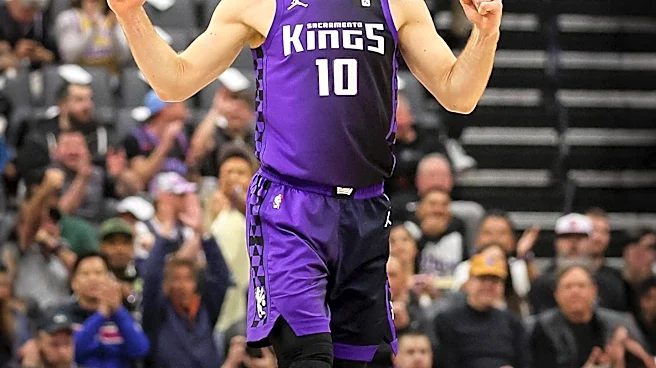
Ben Simmons, the first overall pick in the 2016 NBA Draft, has agreed to a one-year, $3.5 million deal with the Sacramento Kings. This move marks his return to the NBA after sitting out the entire 2025-26 season. Simmons, a three-time All-Star and one-time
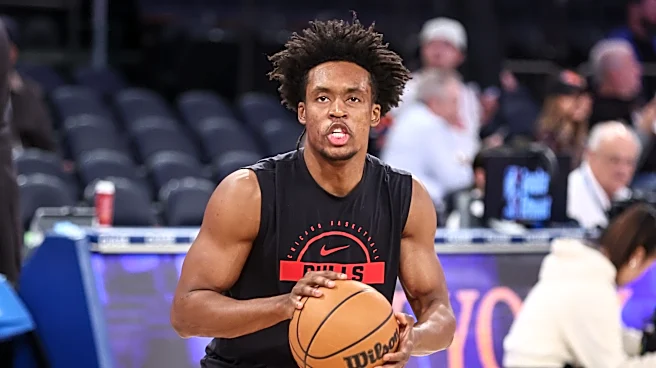
All-NBA player, previously played for the Philadelphia 76ers, Brooklyn Nets, and Los Angeles Clippers. His career faced difficulties after his time with the 76ers, partly due to concerns about the organization's handling of his mental health. He used his year away from basketball as a reset, stating in an interview with The Athletic's Sam Jane that he would not return until he felt ready. The agreement with the Kings followed workouts for General Manager Scott Perry and comprehensive medical examinations. Simmons is expected to back up first-round pick Darius Acuff, potentially serving as a veteran mentor for the young player and contributing valuable experience to the Kings' roster.
Why It's Important?
This decision is critically important for Ben Simmons as it represents a significant opportunity to revive his NBA career. After a full season away from the game, the $3.5 million deal with the Sacramento Kings provides him with a platform to prove his health and consistent performance capabilities. For the Kings, acquiring Simmons on a relatively low-cost, one-year deal is a calculated risk with potentially high reward. If Simmons can regain his form, his defensive prowess, playmaking ability, and court vision could significantly bolster the team, especially in a mentorship role for a young talent like Darius Acuff. This move also highlights the ongoing challenge for athletes to manage mental health in professional sports, as Simmons's previous struggles were a factor in his time away. His return could serve as an inspiration for other athletes facing similar challenges, demonstrating that taking time for personal well-being can lead to a successful comeback. The NBA benefits from having a talented player like Simmons back in the league, adding to the competitive landscape.
What's Next?
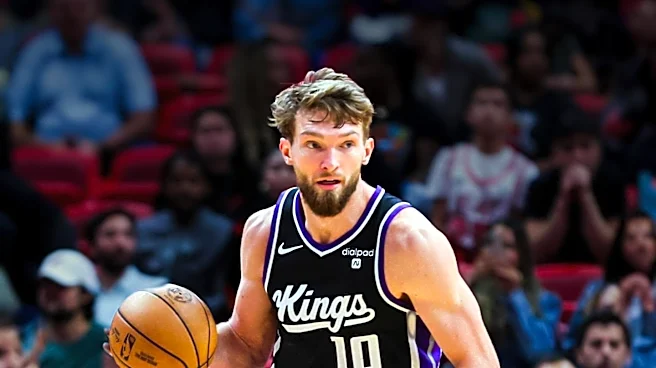
Ben Simmons' immediate focus will be on staying healthy and consistently producing on the court for the Sacramento Kings. His role is anticipated to be a backup to first-round pick Darius Acuff, where he can provide veteran leadership and experience to a young roster. The Kings will be closely monitoring his physical and mental well-being, ensuring he can endure the rigors of a full NBA season. If Simmons performs strongly and remains healthy, there is a possibility he could work his way into the starting lineup, particularly if a trade involving Domantas Sabonis were to occur. His performance this season will be crucial in determining his long-term future in the NBA, as it will demonstrate whether he can still be an effective player at the highest level. For Simmons, this is a chance to prove his value and secure future contracts, while for the Kings, it's an opportunity to develop a young star with the guidance of an experienced, albeit recently sidelined, talent.
Beyond the Headlines
Ben Simmons' return to the NBA transcends a simple player signing; it underscores the evolving conversation around mental health in professional sports. His decision to sit out a full season to prioritize his well-being, despite the financial and professional implications, sets a precedent for athletes to address their mental health needs openly. This move could further destigmatize mental health issues within the highly competitive sports world, encouraging more athletes to seek help and prioritize their well-being. Furthermore, Simmons's journey highlights the immense pressure placed on high-profile athletes and the complex interplay between physical talent, mental resilience, and organizational support. His comeback will be watched not only for his on-court performance but also as a testament to the importance of holistic athlete care. The Kings' willingness to invest in Simmons after his hiatus also signals a growing understanding among sports franchises that supporting players' mental health can ultimately lead to better long-term performance and career longevity.