






What's Happening?
Botswana's President Duma Boko visited Abidjan for a three-day state visit, where he and Ivorian President Alassane Ouattara signed several agreements aimed at boosting economic cooperation. The newly inked deals span critical sectors including mining,
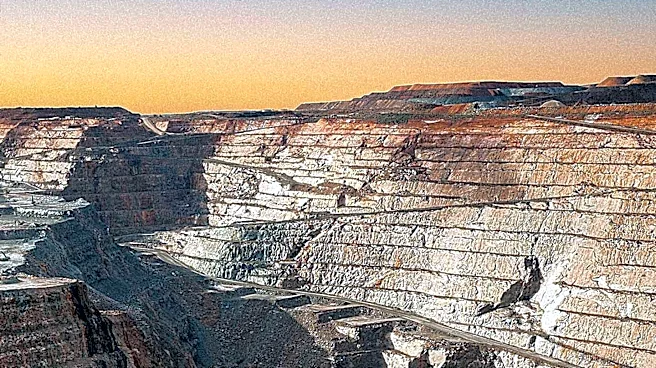
energy, agriculture, and trade. President Boko emphasized the importance of intra-African trade to shield nations from global economic shocks, advocating for harmonized trade regimes and laws to reduce barriers. Botswana, with its extensive expertise in diamond mining and mineral resource stewardship, is set to collaborate with Ivory Coast in the mining sector. Ivory Coast, which has recently experienced an extraction boom with discoveries of oil, gas, coltan, gold, and manganese, is looking to expand the role of its mining sector in its economy. This visit builds on a bilateral framework for mining cooperation agreed upon earlier this year.
Why It's Important?
This collaboration between Botswana and Ivory Coast signifies a strategic move towards strengthening economic resilience and fostering regional integration within Africa. By increasing trade and cooperation among African nations, they aim to mitigate the impact of external economic volatilities, such as global conflicts or crises. For Botswana, sharing its long-standing expertise in mining can help diversify its economic influence and create new markets. For Ivory Coast, leveraging Botswana's experience can accelerate the development of its burgeoning mining sector, potentially leading to job creation, increased revenue, and economic diversification beyond its traditional agricultural base. These agreements also underscore the broader goal of the African Continental Free Trade Area (AfCFTA), aiming to create a more integrated and self-reliant African economy.
Beyond the Headlines
The agreements between Botswana and Ivory Coast represent more than just bilateral trade deals; they symbolize a growing trend of African nations seeking to leverage their collective strengths and resources for mutual economic benefit. This initiative could serve as a model for other African countries, demonstrating how strategic partnerships can unlock economic potential and reduce dependency on external markets. The focus on harmonizing trade regimes and removing barriers aligns with the broader vision of a unified African market, which could significantly enhance the continent's global economic standing. Furthermore, the exchange of expertise in resource management, particularly in mining, highlights a commitment to sustainable development and responsible resource utilization, which are crucial for long-term economic growth and environmental protection across the continent.