



What's Happening?
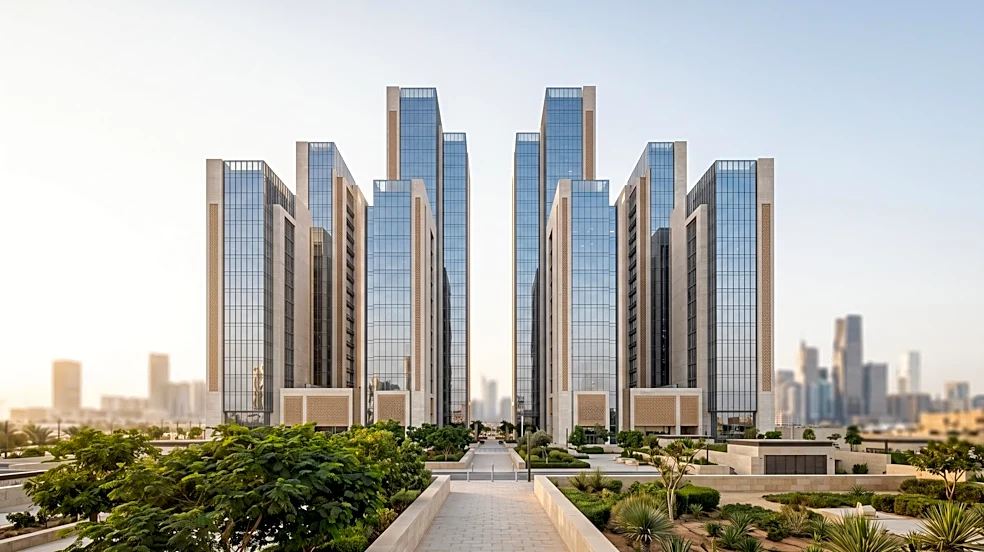
Saudi developer ZOOD Real Estate has officially launched 'Élevée,' a significant mixed-use development valued at 2.5 billion riyals ($667 million) in north Riyadh. The project, situated in Al-Nakheel, approximately 1.5 km from the King Abdullah Financial
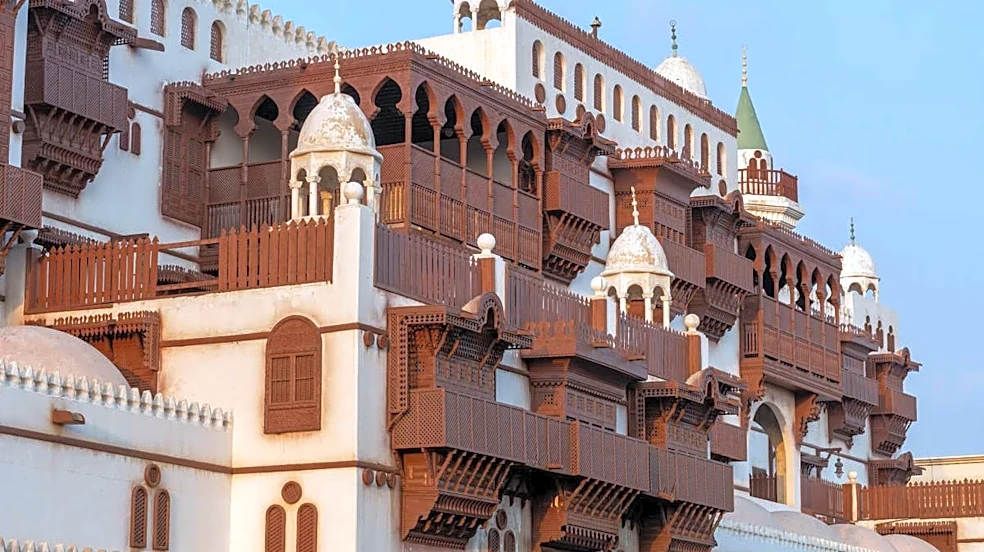
District, is designed to meet the growing demand for residential and office spaces in the capital. Élevée will feature eight towers, including three residential buildings with 1,779 apartments, two towers for a hotel and serviced apartments, and three office towers, complemented by retail shops in two additional buildings. The development spans a site area of 73,892 square meters with a built-up area of 254,340 square meters, dedicating over 40 percent of the site to open spaces and landscaping. ZOOD Real Estate, which has a portfolio of 34 billion riyals, with 24 billion riyals currently under development, expects to complete the Élevée project by the end of 2029. The company has already received awards at the Saudi Arabia Property Awards in the 2024-25 cycle for Élevée's architecture and development categories. Jadwa Investment is a strategic partner in the project, and the design was led by Barcelona-based architecture firm Elia, incorporating traditional Najdi building elements.
Why It's Important?
This substantial investment in Riyadh's real estate sector underscores the city's rapid growth and its increasing importance as a regional economic hub. The launch of Élevée directly addresses the rising demand for housing and commercial spaces, driven by the influx of regional headquarters choosing Riyadh, with approximately 90 percent of licensed regional headquarters selecting the capital according to 2024 Ministry of Investment figures. The city's population is projected to reach 9.6 million by 2030, up from 7 million in 2022, as reported by Knight Frank in 2024. This development will contribute significantly to accommodating this population surge and supporting the city's economic expansion. The project's focus on mixed-use facilities, combining residential, hospitality, and office spaces, reflects a modern urban planning approach aimed at creating self-sufficient communities and reducing commuting times. The involvement of international design firms and strategic partners also highlights Riyadh's appeal for global collaboration and investment in its urban development initiatives.
What's Next?
The Élevée project is slated for completion by the end of 2029, with construction and development activities expected to continue steadily. As the project progresses, it will likely attract further investment and contribute to job creation in the construction, hospitality, and service sectors. The successful integration of residential, hotel, and office components will serve as a model for future urban developments in Riyadh, particularly those aiming to cater to the growing professional and residential population around key financial districts. The project's completion will add significant capacity to Riyadh's real estate market, potentially influencing rental and property values in the northern part of the city. Furthermore, the architectural and development awards already received suggest that Élevée could set new benchmarks for design and sustainability in Saudi Arabia's real estate landscape, encouraging other developers to adopt similar high standards.
Beyond the Headlines
The Élevée project represents more than just a real estate development; it is a tangible manifestation of Saudi Arabia's Vision 2030 goals to diversify its economy and transform Riyadh into a global city. By creating integrated urban environments that blend modern amenities with cultural heritage, as seen in the incorporation of Najdi building traditions, the project aims to foster a unique sense of place. This approach can enhance the quality of life for residents and attract international talent and businesses, contributing to the broader social and economic transformation of the Kingdom. The emphasis on open spaces and landscaping also reflects a growing awareness of urban sustainability and livability, which are crucial for long-term urban development. The success of such large-scale mixed-use projects will be critical in shaping Riyadh's future identity and its competitiveness on the international stage, moving beyond its traditional oil-dependent economy towards a more diversified and knowledge-based future.