





What's Happening?
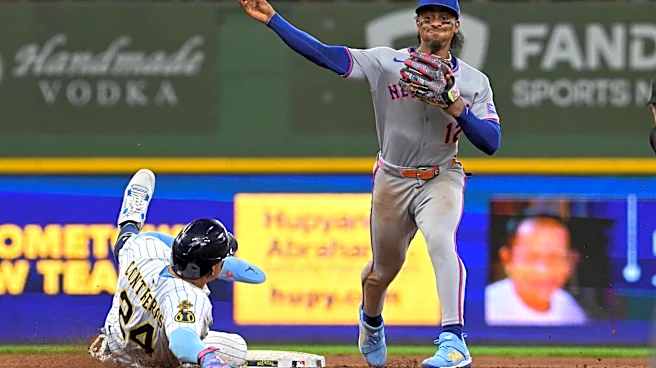
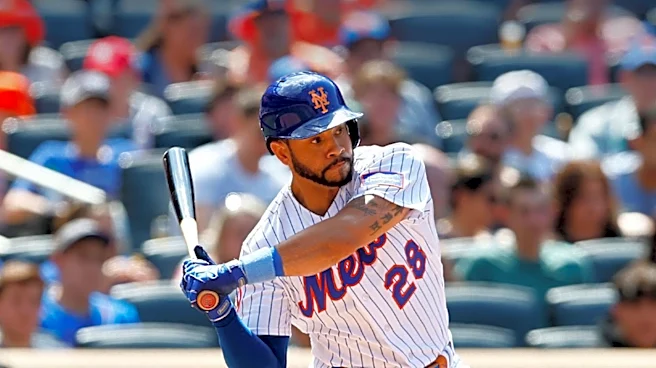
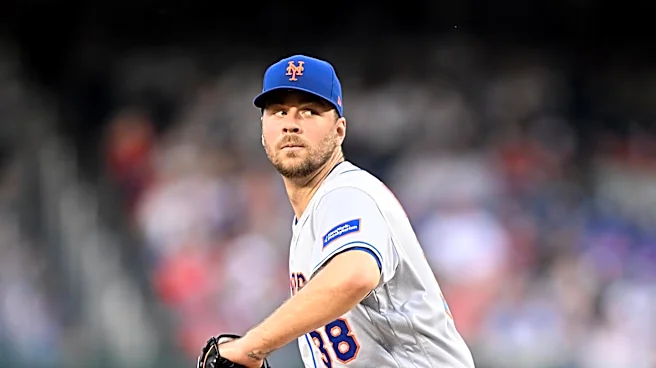
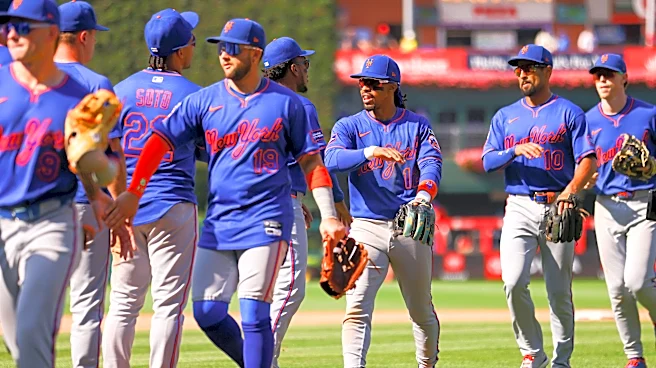
The New York Mets, facing a challenging season, are preparing for the trade deadline as sellers but have decided not to pay down salaries to facilitate trades. This decision marks a shift from previous years when the Mets absorbed significant salary portions
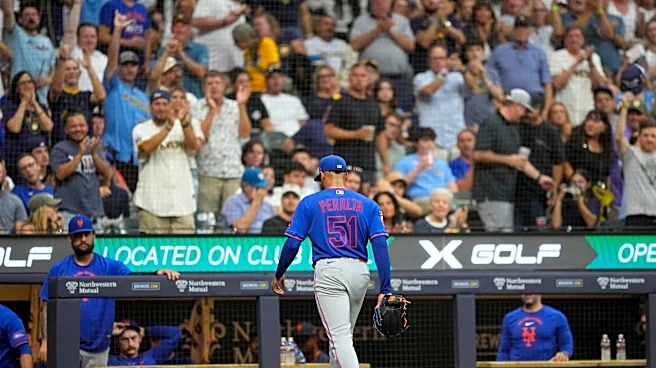
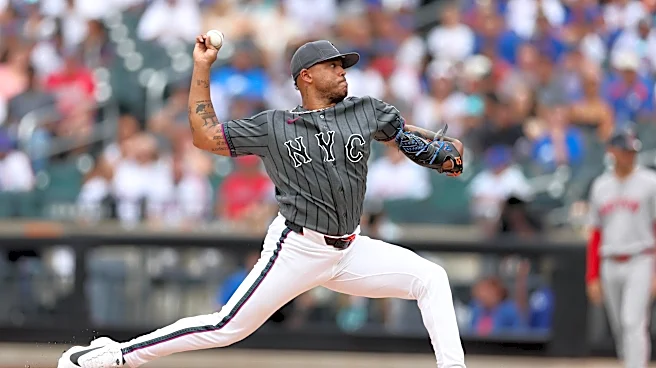
to secure better prospect returns. The team is unlikely to trade key players like Francisco Lindor due to his substantial contract and no-trade clause. Instead, the Mets may focus on trading players with more manageable contracts, such as Freddy Peralta and Clay Holmes, to reduce payroll and luxury tax obligations.
Why It's Important?
The Mets' decision not to pay down salaries could impact their ability to acquire top-tier prospects, potentially affecting their long-term rebuilding efforts. This approach reflects the financial constraints and strategic considerations teams face when managing high payrolls and luxury tax penalties. The Mets' strategy will influence their competitiveness in future seasons and their ability to rebuild a strong farm system. The decision also highlights the broader financial dynamics in Major League Baseball, where teams must balance immediate financial relief with long-term player development goals.
What's Next?
As the trade deadline approaches, the Mets will likely focus on identifying trade partners interested in their players without requiring financial concessions. The team's management will need to navigate the complexities of the trade market to optimize their roster and financial position. The outcome of these trades will play a crucial role in shaping the Mets' future competitiveness and rebuilding strategy.