





What's Happening?
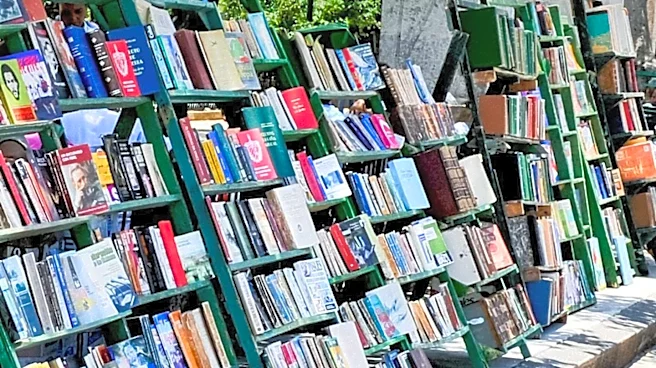
Philadelphia's Kimmel Center recently hosted the eighth annual Latin American Book Fair, an event dedicated to celebrating Latino and Latin American authors and their literary works. Over 30 authors, writing in Spanish, English, and Spanglish, participated,
sharing their stories and engaging with readers. The fair, which has grown significantly since its inception nearly a decade ago, also featured various cultural activities, including face painting for children, musical performances, and dance. Ana Omana, the fair's creative director, highlighted the event's evolution from a modest beginning with limited resources to a major cultural gathering that attracts hundreds of attendees from the tristate area and beyond. The Philadelphia Orchestra and Ensemble Arts, stewards of the Kimmel Center, emphasized that the partnership aligns with the venue's original mission to serve as a community space for celebrating diverse cultures and artistic expression. This year's fair specifically spotlighted Colombian culture and traditions, featuring a conversation with Sara Aldana, the newly appointed assistant conductor at the Orchestra, who is Colombian-born.
Why It's Important?
The Philadelphia Latin American Book Fair plays a crucial role in promoting cultural diversity and representation within the U.S. literary landscape. By providing a platform for Latino and Latin American authors, the fair helps to amplify voices that might otherwise be underrepresented in mainstream publishing. This initiative is particularly significant in the current social climate, where, as noted by Ana Omana, there is an increased need to remind society of the presence and contributions of the Latino community. The fair fosters a sense of pride and belonging among children and adults of Latino heritage, offering role models and demonstrating that their cultural background is a source of strength and possibility. Furthermore, the launch of independent bilingual publishers like doslenguas Press at the fair addresses a critical gap in the market, aiming to connect the Latin American diaspora with literature from their heritage, regardless of language proficiency. This effort enriches the broader U.S. cultural fabric by making diverse narratives accessible to a wider audience.
What's Next?
The continued success and growth of the Philadelphia Latin American Book Fair suggest a sustained effort to promote Latino literature and culture in the U.S. The emergence of independent bilingual publishers, such as doslenguas Press, indicates a growing infrastructure to support and disseminate works by Latino authors. Future iterations of the fair are likely to continue expanding their reach and impact, potentially leading to more collaborations with cultural institutions and increased visibility for participating authors. The focus on specific national cultures, as seen with this year's emphasis on Colombia, could become a recurring theme, offering deeper dives into the rich tapestry of Latin American heritage. The fair's commitment to providing representation and fostering pride among younger generations suggests that educational outreach and youth-focused programs will remain a key component, aiming to inspire future generations of Latino writers and readers. The ongoing efforts to connect people in the Latin American diaspora with their cultural roots through literature will likely lead to a more inclusive and diverse literary scene in the U.S.
Beyond the Headlines
The Philadelphia Latin American Book Fair highlights a broader societal trend towards recognizing and celebrating diverse cultural identities within the United States. In an era marked by evolving demographics and ongoing discussions about immigration and cultural integration, events like this fair serve as vital spaces for cultural affirmation and exchange. The emphasis on bilingualism and the publication of works in Spanish, English, and Spanglish reflect the linguistic realities of many communities in the U.S., challenging traditional monolingual norms in publishing. This initiative also subtly addresses the ethical imperative of ensuring equitable representation in the arts and literature, counteracting narratives that might marginalize or overlook the contributions of specific ethnic groups. By fostering connections between artists and readers, the fair contributes to the long-term cultural enrichment of the nation, promoting empathy and understanding across different communities. It underscores the idea that cultural events are not merely entertainment but essential components of a healthy, inclusive society.