






What's Happening?
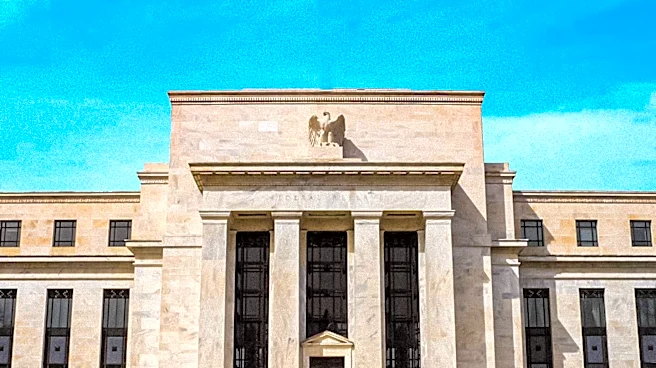
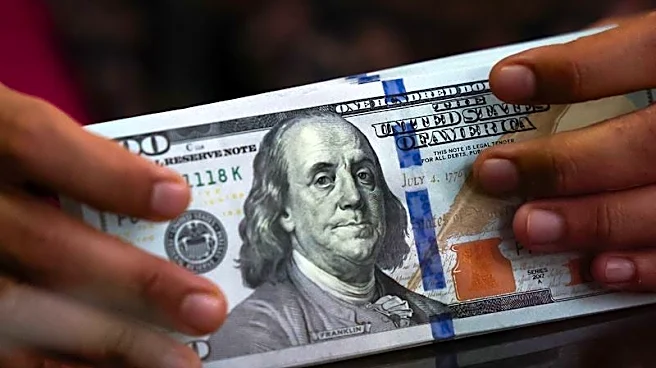
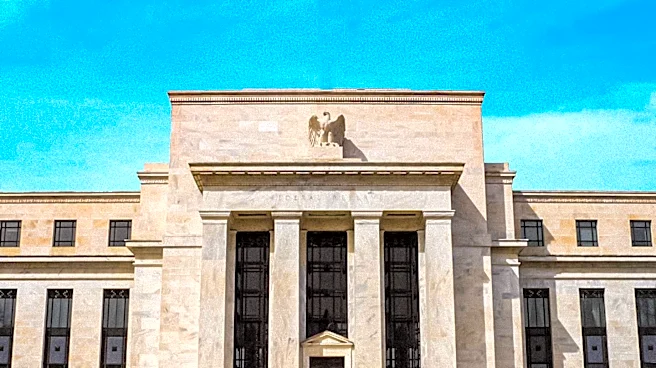
The U.S. dollar has been trading near multi-month lows against major global currencies, a trend observed as Treasury yields have eased from their recent highs. This development comes as investors eagerly await the release of the Federal Reserve's latest
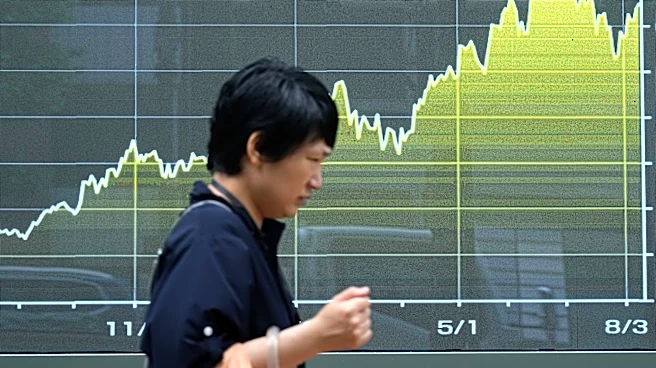
policy meeting minutes. The minutes are expected to provide crucial insights into policymakers' perspectives on the future trajectory of interest rates. Recent economic data, including unexpected job losses in July and mild inflation readings, have contributed to a softer U.S. economic outlook. This has led market participants to scale back their expectations for further rate hikes by the Federal Reserve. The yield on the benchmark U.S. 10-year Treasury note has declined to 4.686%, and the 30-year bond yield fell to 5.271% after briefly hitting its highest level in nearly 20 years. The euro and sterling have shown strength against the dollar, while the Japanese yen has also strengthened, moving away from the 160 level.
Why It's Important?
The softening of the U.S. dollar and the easing of Treasury yields have significant implications for the U.S. economy and global financial markets. A weaker dollar can make U.S. exports more competitive, potentially boosting economic growth, but it can also increase the cost of imports, contributing to inflation. The Federal Reserve's stance on interest rates, as revealed in the upcoming minutes, is a critical determinant of these trends. If the Fed indicates a less aggressive approach to rate hikes than previously anticipated, it could further limit the upside for bond yields and contribute to a continued softer dollar. This scenario would benefit borrowers, including the U.S. government, by lowering borrowing costs. However, it could also signal concerns about the overall health of the U.S. economy. The interplay between inflation, employment data, and the Fed's monetary policy decisions directly impacts investment strategies, corporate earnings, and consumer purchasing power.
What's Next?
Investors are primarily focused on the release of the Federal Reserve's July meeting minutes, scheduled for Wednesday. These minutes will be scrutinized for any indications regarding the future path of interest rates and the Fed's assessment of the U.S. economy. Depending on the hawkishness or dovishness of the minutes, the U.S. dollar and Treasury yields could experience further fluctuations. If the minutes reinforce the expectation of fewer rate hikes, the dollar may continue its downward trend, and bond yields could remain subdued. Conversely, any unexpected hawkish signals could lead to a rebound in the dollar and an increase in yields. Market participants will also continue to monitor incoming economic data, particularly inflation and employment figures, as these will heavily influence the Fed's future policy decisions. Geopolitical developments, such as tensions in the Middle East, could also play a role by impacting oil prices and, consequently, inflation risks.
Beyond the Headlines
The current market dynamics reflect a broader shift in investor sentiment regarding the U.S. economic outlook and the Federal Reserve's monetary policy. The easing of Treasury yields, despite concerns about the growing U.S. national debt, suggests that market participants are increasingly prioritizing the potential for a softer economy over immediate inflation fears. This could lead to a re-evaluation of investment strategies, with a potential shift towards assets that perform well in a lower interest rate environment. The demand for higher yields in recent Treasury auctions, particularly for longer-dated bonds, highlights underlying concerns about fiscal discipline and the increasing supply of U.S. debt. This could trigger a more sustained debate about the long-term sustainability of U.S. government spending and its impact on financial markets. Furthermore, the competition for capital from other sectors, such as the AI investment boom, adds another layer of complexity, potentially driving up borrowing costs across the board.