



What's Happening?
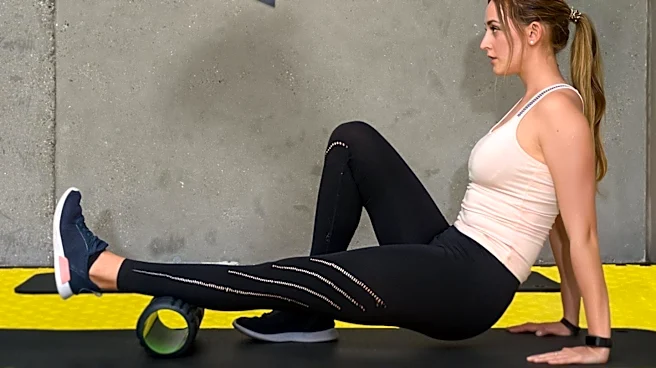
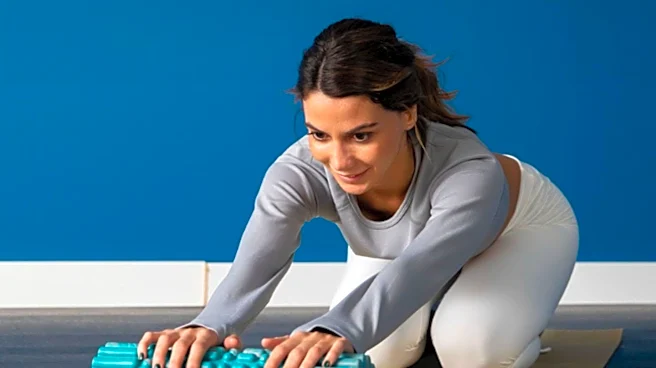
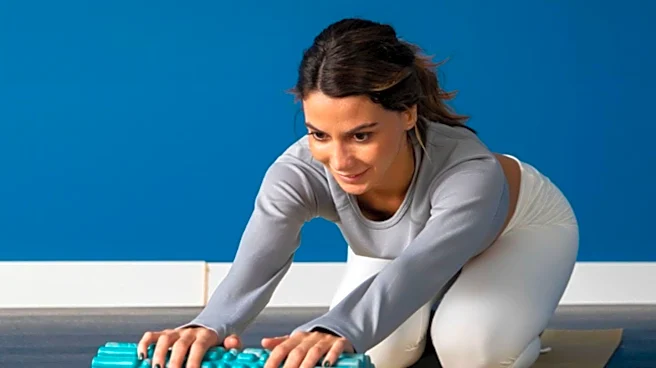
Foam rolling, particularly when combined with movement, can be beneficial for individuals experiencing Delayed Onset Muscle Soreness (DOMS). Research indicates that light pressure and short sessions of foam rolling can help reduce muscle tension at rest,
improve pain thresholds, and increase stretch tolerance. It has also been shown to enhance ankle dorsiflexion. While the exact effectiveness of foam rolling for recovery is still a subject of ongoing research, it can provide immediate relief from inflammation and promote increased blood flow after physical activity. When muscle soreness subsides, foam rolling can effectively serve as a warm-up routine. A study comparing vibrating (VFR) and non-vibrating foam rolling (NVFR) found that both modalities significantly improved pain, range of motion, muscle strength, dynamic balance, and muscle stiffness following DOMS. However, VFR offered additional advantages in improving ankle dorsiflexion range of motion and anterior dynamic balance.
Why It's Important?
The findings on foam rolling's efficacy are important for athletes, fitness enthusiasts, and individuals engaged in physical activity across the U.S. The ability to mitigate DOMS and improve recovery can lead to more consistent training, reduced downtime due to muscle soreness, and potentially fewer injuries. For the sports and fitness industry, this reinforces the value of foam rollers as a recovery tool, influencing product development and marketing strategies. Healthcare professionals, including physical therapists and athletic trainers, can use this information to better advise their patients and clients on effective recovery techniques. The distinction between vibrating and non-vibrating foam rolling also highlights an area for technological advancement in fitness equipment, potentially leading to more specialized and effective recovery products. Improved recovery methods contribute to overall public health by encouraging sustained physical activity and reducing barriers to exercise.
What's Next?
Further research is likely to explore the optimal protocols for foam rolling, including duration, intensity, and specific techniques for different muscle groups and types of soreness. The development of more advanced foam rolling devices, potentially incorporating vibration or other therapeutic elements, could also be a focus for manufacturers. Educational initiatives for athletes, coaches, and the general public will be crucial to disseminate best practices for foam rolling to maximize its benefits and prevent misuse. As understanding of muscle recovery deepens, foam rolling may become an even more integrated component of pre- and post-workout routines, potentially influencing training methodologies in professional sports and amateur fitness alike. The ongoing debate and research into its precise mechanisms will continue to refine its application.
Beyond the Headlines
Beyond its immediate physical benefits, the widespread adoption of foam rolling reflects a broader cultural shift towards proactive self-care and recovery in fitness. It underscores a growing awareness among individuals about the importance of muscle maintenance and injury prevention, moving beyond just performance metrics. This trend has implications for the wellness industry, fostering a market for various recovery tools and techniques. Ethically, it raises questions about the accessibility of such tools and knowledge, ensuring that effective recovery methods are not limited to those with financial means or access to specialized training. The integration of foam rolling into daily routines also highlights a more holistic approach to health, where physical activity is balanced with adequate rest and recovery, contributing to long-term well-being and sustained engagement in active lifestyles.