



What's Happening?
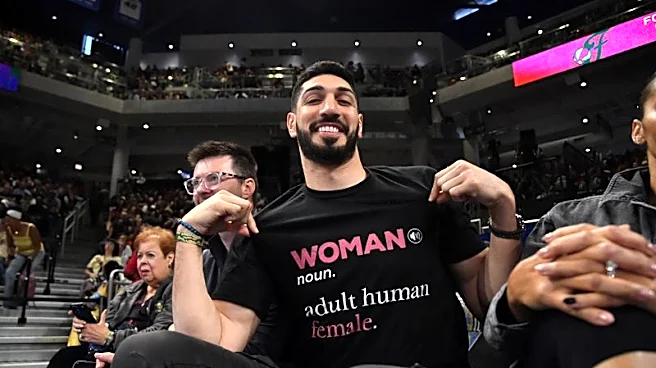
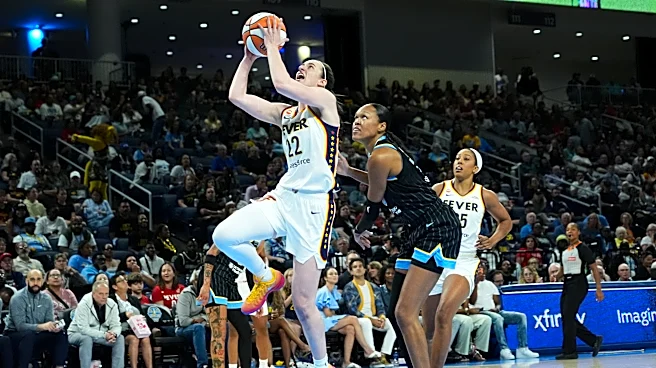
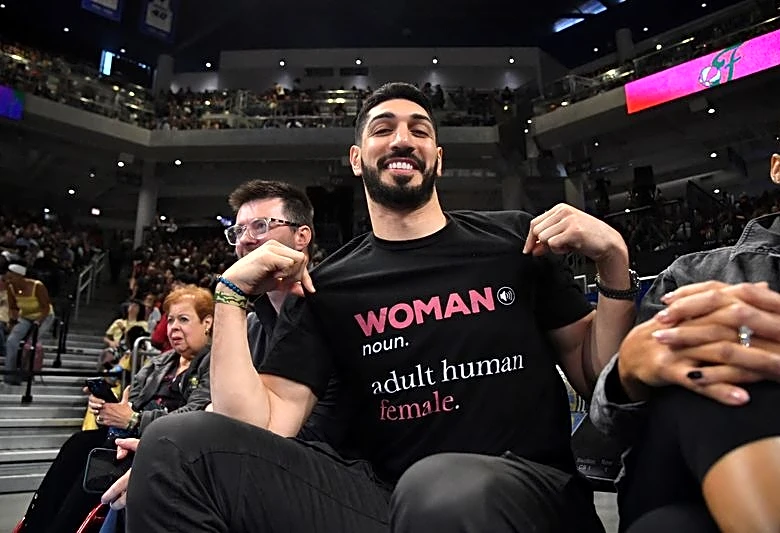
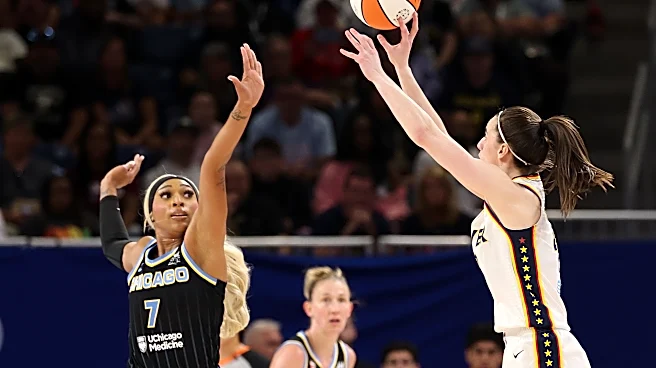
Former NBA center Enes Kanter Freedom was ejected from a WNBA game between the Chicago Sky and the Indiana Fever on Sunday after confronting Sky guard Natasha Cloud. Freedom, 34, was wearing a T-shirt that read, "WOMAN. Noun. Adult human female." The
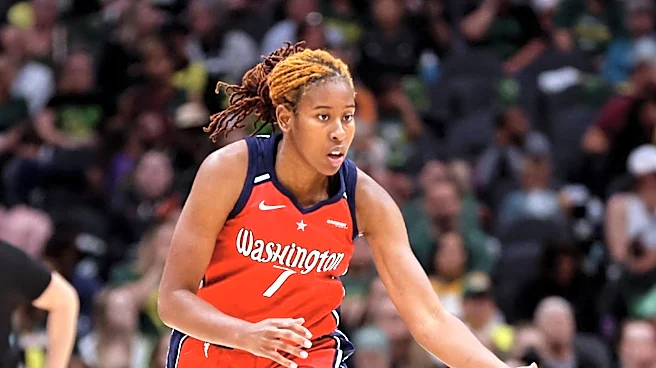
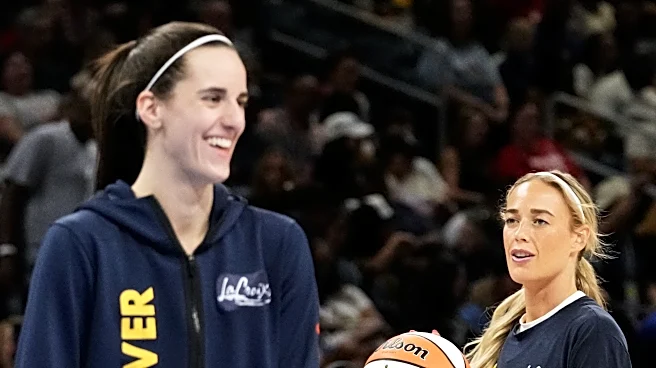
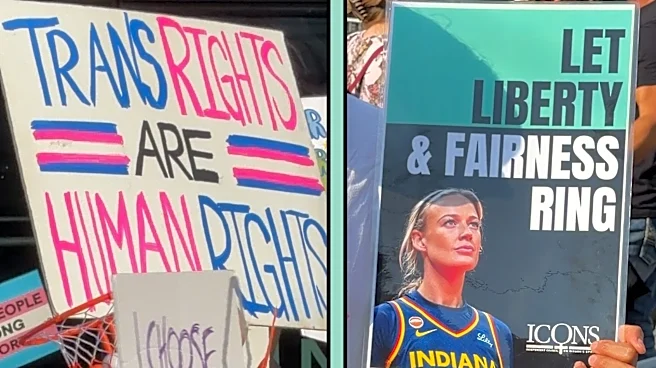
incident occurred after Cloud scored in the third quarter, with Freedom stepping onto the court with his arms outstretched as Cloud approached him. Security and several Sky players intervened to escort Freedom out of Chicago's Wintrust Arena, where he was met with jeers from the crowd. Freedom later posted on social media, stating he was "kicked out of a WNBA game for supporting WOMEN!" The confrontation follows a broader "culture war" ignited by Freedom and Indiana Fever guard Sophie Cunningham, 29, regarding the participation of transgender athletes in women's sports. Cunningham, known for her conservative views, has publicly advocated for banning transgender athletes from women's sports to "protect young girls in the locker room." Freedom has also claimed he should be eligible for the WNBA draft, identifying as a woman.
Why It's Important?
This incident highlights the escalating tensions and public debate surrounding transgender athletes' participation in women's sports, particularly within professional leagues. The confrontation involving a former NBA player and a WNBA athlete brings this contentious issue into the mainstream sports discourse, forcing leagues and teams to navigate complex social and political landscapes. Enes Kanter Freedom's actions, including his T-shirt message and social media posts, are a direct challenge to current inclusion policies and aim to provoke a reaction, drawing attention to his stance. The WNBA, known for its progressive stance on social issues, is now at the forefront of this debate, potentially facing pressure from various stakeholders, including players, fans, and advocacy groups. The incident also underscores the broader societal struggle to define gender identity and its implications for competitive sports, impacting not only professional athletes but also youth sports and educational institutions. The differing views expressed by athletes like Cunningham and Freedom reflect a significant divide in public opinion, making it a critical issue for sports organizations to address thoughtfully and equitably.
What's Next?
Following his ejection, Enes Kanter Freedom continued to criticize the WNBA's transgender policy on social media, indicating that he intends to maintain his public stance on the issue. The WNBA and its teams, particularly the Chicago Sky and Indiana Fever, may need to issue official statements or clarify their policies regarding fan conduct and player safety in light of the incident. Sky coach Tyler Marsh's comments, emphasizing that attendees should focus on basketball and supporting his player Natasha Cloud, suggest a league-wide effort to de-escalate such confrontations. The incident could lead to increased security measures at WNBA games to prevent similar disruptions. Furthermore, the ongoing public discourse initiated by Freedom and Cunningham may prompt other athletes, sports organizations, and policymakers to take clearer positions on the inclusion of transgender athletes. This could result in further policy reviews, legal challenges, or public campaigns from various advocacy groups, continuing to shape the future of sports inclusivity.
Beyond the Headlines
The incident involving Enes Kanter Freedom and Natasha Cloud transcends a mere sports event, touching upon fundamental questions of identity, free speech, and the evolving nature of public spaces. Freedom's use of a T-shirt with a specific definition of "woman" and his subsequent social media posts are deliberate acts of protest, aiming to challenge prevailing narratives and policies. This highlights the increasing politicization of sports, where athletes and public figures use their platforms to advocate for social and political causes. The WNBA, as a league with a strong history of social activism, finds itself in a complex position, balancing its commitment to inclusivity with the need to maintain order and respect within its games. The debate also raises ethical considerations about the role of individual beliefs versus collective policies in sports, and how organizations can foster an environment that respects diverse viewpoints while upholding their core values. This event serves as a microcosm of larger societal tensions, where traditional definitions of gender and identity are being re-evaluated, leading to passionate and often confrontational exchanges in various public forums.