










What's Happening?
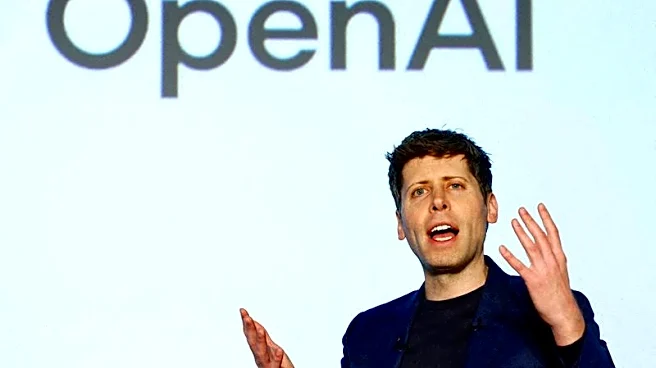
OpenAI has proposed offering a 5% ownership stake to the U.S. government as a strategy to ease tensions with the Trump administration and address growing public concerns about artificial intelligence (AI). This proposal, reported by the Financial Times,
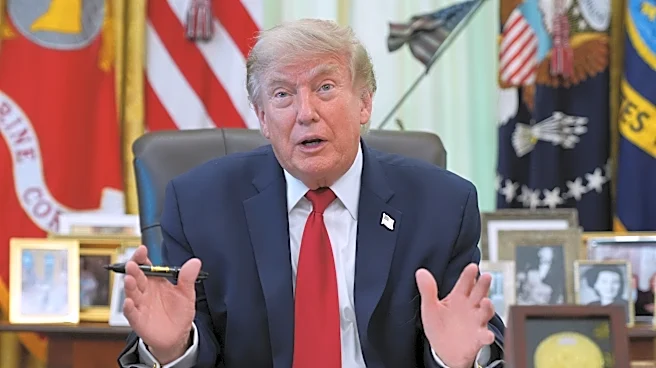
suggests that the government could benefit financially from the AI sector's growth, with the stake valued at approximately $42.6 billion based on OpenAI's recent valuation of $852 billion. CEO Sam Altman believes that public financial interest in AI companies is a way to share the benefits of AI advancements. The discussions are in early stages and may involve other U.S. AI companies offering similar stakes. This move comes amid the Trump administration's active involvement in AI, including taking stakes in companies like Intel and imposing revenue-sharing demands on Nvidia and AMD for AI chip sales to China.
Why It's Important?
The proposal by OpenAI highlights a significant shift in how AI companies might engage with government regulation and public policy. By offering a stake to the government, OpenAI aims to mitigate potential regulatory challenges and align its interests with public policy goals. This could set a precedent for other tech companies, potentially leading to a new model of public-private partnership in the tech industry. The Trump administration's proactive stance on AI regulation and investment indicates a strategic interest in controlling and benefiting from AI advancements, which could influence future policy decisions and the competitive landscape of the AI industry. Stakeholders in the tech sector, including investors and other AI companies, will be closely watching the outcome of these discussions.
What's Next?
If the proposal is accepted, it could lead to a broader adoption of similar strategies by other AI companies, potentially reshaping the relationship between the tech industry and government. The Trump administration's response will be crucial, as acceptance could pave the way for increased government involvement in the tech sector. Additionally, this move might prompt discussions on the ethical and economic implications of government stakes in private companies, influencing future regulatory frameworks. The outcome could also impact international perceptions of U.S. tech policy, especially in the context of global AI competition.