






What's Happening?
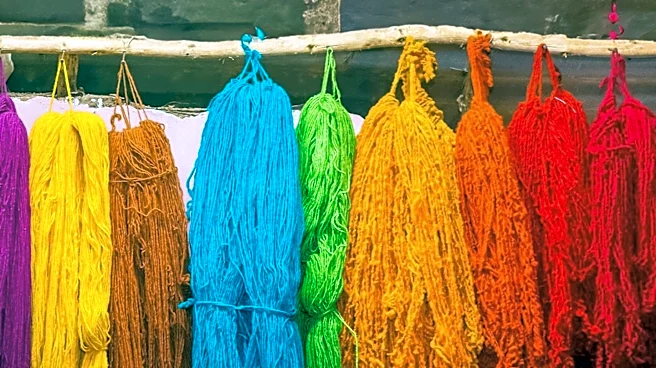
The natural dyes market in the United States is experiencing significant growth, driven by an increasing demand for sustainable and eco-friendly textiles. This trend is part of a broader global shift towards more environmentally conscious production methods
in the textile and apparel industry. Textile producers are showing greater interest in dyes derived from plants and other natural materials as alternatives to conventional synthetic dyes. Government support and research initiatives are also playing a crucial role in improving the production and use of natural dyes. For instance, the USDA Agricultural Research Service has conducted research on fiber properties affecting dye uptake in cotton fabrics, aiming to enhance dyeing results. This focus on natural dyes is helping to create more eco-friendly clothing options and expand opportunities within the market, with North America being a leading region due to its developed textile industry and research activities.
Why It's Important?
The expansion of the natural dyes market in the U.S. is important for several reasons, primarily impacting environmental sustainability, consumer health, and economic innovation. From an environmental perspective, natural dyes reduce the reliance on petroleum-based synthetic dyes, which often involve harsh chemicals and contribute to water pollution. This shift supports cleaner textile production and aligns with global efforts to combat climate change and reduce industrial waste. For consumers, natural dyes offer a safer alternative, as they are less likely to contain allergens or toxic substances found in some synthetic counterparts, promoting healthier clothing options. Economically, the growth of this market fosters innovation in agricultural practices for dye-producing plants and biotechnology for bio-based pigments. It also creates new business opportunities for companies specializing in natural dye extraction, processing, and application, contributing to job creation and economic diversification within the U.S. textile sector.
What's Next?
The natural dyes market in the U.S. is expected to continue its growth trajectory, with ongoing research and development focused on improving dye performance, color quality, and durability. Future efforts will likely concentrate on scaling natural dye production to meet industrial demands, moving beyond traditional small-scale applications. This will involve developing more efficient extraction methods, exploring new plant sources, and integrating biotechnological advancements to create bio-based pigments. Government support, similar to the financial assistance and research projects highlighted by India's Ministry of Textiles, will be crucial for fostering innovation and wider adoption. Companies like Botanical Colors and Stony Creek Colors, which specialize in plant-based dyes and indigo, are poised to play a significant role in this expansion. The market will also see increased collaboration between dye producers, textile manufacturers, and fashion brands to integrate natural dyes into mainstream production, further solidifying the shift towards sustainable textiles.
Beyond the Headlines
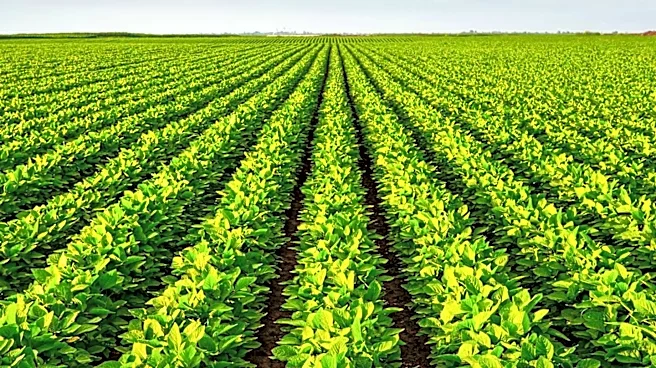
Beyond the immediate market trends, the rise of natural dyes in the U.S. signifies a deeper cultural and industrial re-evaluation of production methods. It reflects a growing societal demand for transparency and ethical sourcing in consumer goods, pushing industries to adopt more responsible practices. This movement could lead to a resurgence of traditional dyeing techniques, blended with modern scientific advancements, creating a unique fusion of heritage and innovation. Furthermore, the emphasis on natural dyes could stimulate agricultural diversification, encouraging farmers to cultivate dye-producing crops, thereby creating new revenue streams and promoting biodiversity. The long-term implications include a potential paradigm shift in how textiles are manufactured and consumed, moving towards a circular economy where materials are renewable, non-toxic, and biodegradable. This could fundamentally alter the environmental footprint of the fashion industry and redefine consumer expectations for product sustainability.