


What's Happening?
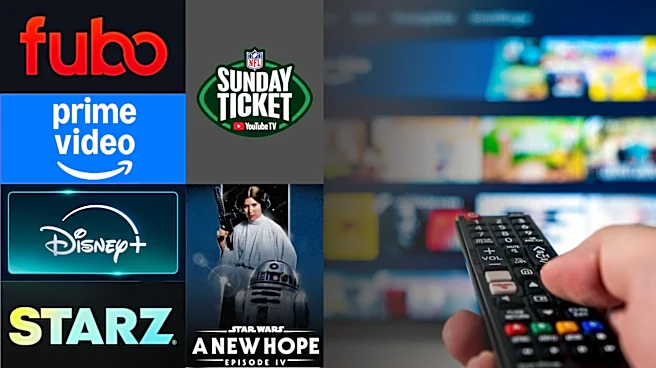
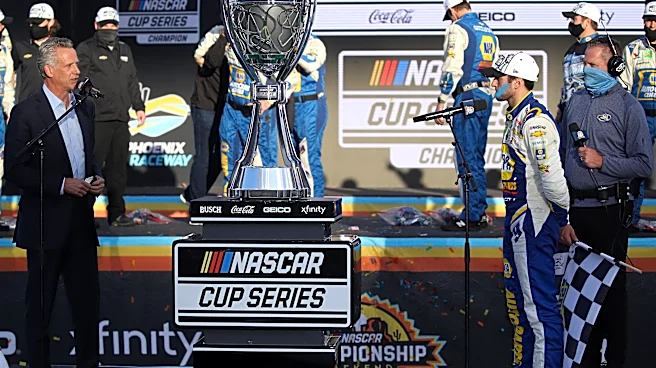
The NASCAR Cup Series has experienced a second consecutive year of viewership decline since the start of its new media rights deal. The 2026 season averaged 2.42 million viewers across Fox Sports, Prime Video, TNT Sports, USA Sports, and NBC, marking
a 2% decrease from the previous year and setting a new record for the least-watched season. This trend continues a pattern of declining viewership, with three of the last four seasons recording the lowest numbers yet for the Cup Series. While Fox Sports, Amazon Prime Video, and TNT Sports saw varying results, USA Network's viewership dropped by 4%. Notably, races aired during college football Saturdays or NFL Sundays on USA Network saw an 11% decline, highlighting the impact of competition from other sports. NASCAR Senior Vice President/Broadcasting & Innovation Brian Herbst acknowledged the challenges but emphasized the long-term strategy of balancing broadcast, cable, and digital streaming for future media rights cycles.
Why It's Important?
The sustained decline in NASCAR Cup Series viewership poses significant challenges for the sport's financial health and long-term relevance in the U.S. sports landscape. Lower ratings can impact advertising revenue, future media rights negotiations, and the overall appeal to sponsors and new fans. The pronounced effect of football competition underscores a critical scheduling dilemma for NASCAR, as competing directly with major football leagues appears to dilute its audience. While other NASCAR series, like the O'Reilly Auto Parts Series and IndyCar, have shown viewership gains, the flagship Cup Series' struggles could signal a broader shift in consumer viewing habits or a need for strategic adjustments. The sport's leadership is evaluating potential changes to its schedule and format for the next media rights cycle in 2030, indicating a recognition of the need to adapt to evolving media consumption patterns and competitive pressures.
What's Next?
NASCAR is considering potential changes to its schedule and format for the next media rights cycle, which begins in 2030. Discussions are underway regarding whether to continue competing against the NFL on Sundays, with COO Ben Kennedy acknowledging the challenging proposition. While no immediate changes are planned for the short term due to existing contract structures, a broader conversation involving media partners, tracks, and teams will explore options like midweek racing, which was previously attempted during the COVID-19 pandemic. The goal is to optimize exposure opportunities and reach a wider audience. The current rights deal, however, limits flexibility, preventing immediate adjustments such as scheduling late-season races on FOX to benefit from NFL lead-ins. The focus remains on gathering data and learnings from the current multi-platform distribution model to inform future strategies.
Beyond the Headlines
The ongoing viewership decline for the NASCAR Cup Series highlights a broader trend in traditional sports media, where established leagues grapple with fragmented audiences and intense competition from other entertainment options. The shift to a 'Big Data + Panel' Nielsen standard, and NASCAR's initial reluctance to publicize these numbers, suggests a struggle to transparently assess and communicate audience engagement. The success of other racing series, particularly those on single broadcast networks, raises questions about the optimal distribution strategy for maximizing viewership. This situation could prompt a re-evaluation of NASCAR's core appeal, its marketing efforts, and its ability to attract younger demographics. The long-term implications extend beyond mere ratings, potentially influencing the sport's cultural footprint, its ability to cultivate new stars, and its overall economic viability in a rapidly changing media environment.