







What's Happening?
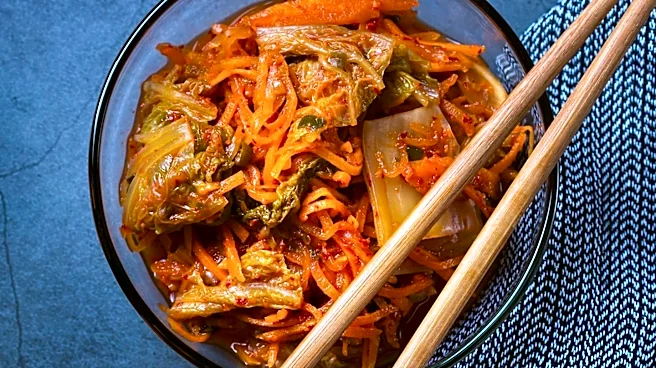
Korean fermented foods, particularly kimchi and gochujang, are experiencing a significant surge in popularity within the United States. This growth is attributed to the enduring free trade agreement (FTA) between Korea and the U.S., which has enhanced
the competitiveness of Korean exports. Additionally, the global Korean Wave cultural phenomenon and increasing consumer demand for health-conscious foods are driving this trend. The Korea Agro-Fisheries & Food Trade Corporation (aT) and the Ministry of Agriculture, Food and Rural Affairs are actively supporting these exports. Efforts include establishing cold-chain facilities, expanding export voucher support, developing starter cultures, facilitating overseas buyer discovery, participating in trade shows, and organizing consumer tasting events with recipe development. These initiatives aim to solidify the position of Korean fermented foods as staple items in the U.S. market rather than fleeting trends. The U.S. market is a key export destination for these products, with the FTA playing a crucial role in their expanded reach.
Why It's Important?
The increasing penetration of Korean fermented foods into the U.S. market signifies a notable shift in American dietary preferences and the growing influence of global culinary trends. For the U.S. food industry, this presents both opportunities and challenges. It opens avenues for diversification in product offerings, particularly in the organic and health food sectors, potentially leading to new partnerships and distribution channels. For Korean exporters, the U.S. market represents substantial economic growth, bolstered by the FTA which provides a competitive edge. The emphasis on health benefits associated with fermented foods aligns with broader consumer trends in the U.S., where there is a rising demand for gut-friendly and natural products. This trend could also influence domestic food production, encouraging U.S. producers to innovate and potentially incorporate similar fermentation techniques or expand their own fermented food lines to compete or complement these imports. The success of kimchi and gochujang highlights the economic benefits derived from international trade agreements and cultural exchange.
What's Next?
Looking ahead, Korean government agencies and trade organizations plan to intensify their efforts to further embed fermented foods into the U.S. market. This includes continued investment in infrastructure like cold-chain facilities to ensure product quality and accessibility across the U.S. There will likely be an increased focus on marketing strategies that highlight the health benefits and versatility of these foods, potentially through collaborations with U.S. chefs, nutritionists, and food influencers. As regulations on processed foods in the U.S. tighten, there will be a strategic push to position fermented foods as natural, healthy alternatives, aligning with evolving consumer preferences and regulatory landscapes. The goal is to transition these products from niche items to mainstream staples, ensuring sustained growth and market presence beyond current trends. This sustained effort could lead to broader availability in supermarkets and restaurants nationwide, further integrating Korean culinary traditions into the American diet.
Beyond the Headlines
The growing popularity of Korean fermented foods in the U.S. extends beyond mere culinary trends; it reflects deeper shifts in global food culture and consumer awareness. This phenomenon underscores the increasing appreciation for diverse food traditions and the health benefits associated with traditional fermentation processes. It also highlights the power of cultural exports, where the 'Korean Wave' in entertainment has paved the way for culinary acceptance and demand. Ethically, the emphasis on natural and fermented foods aligns with a broader movement towards sustainable and health-conscious eating, potentially influencing food policy discussions around food processing and nutritional guidelines. Legally, the success of these exports reinforces the importance of international trade agreements like the FTA in facilitating cross-border commerce and cultural exchange. This trend could also inspire greater interest in other global fermented foods, fostering a more diverse and health-oriented food landscape in the U.S.