






What's Happening?
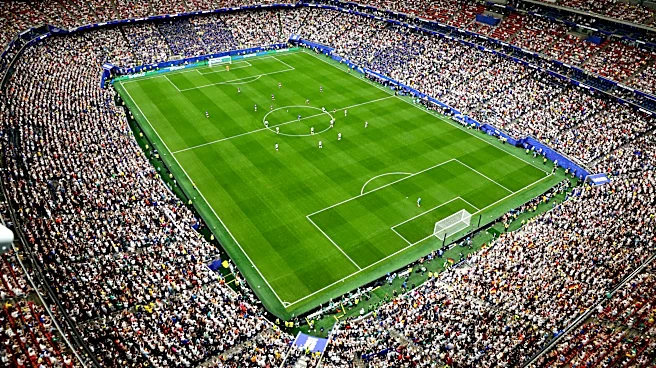
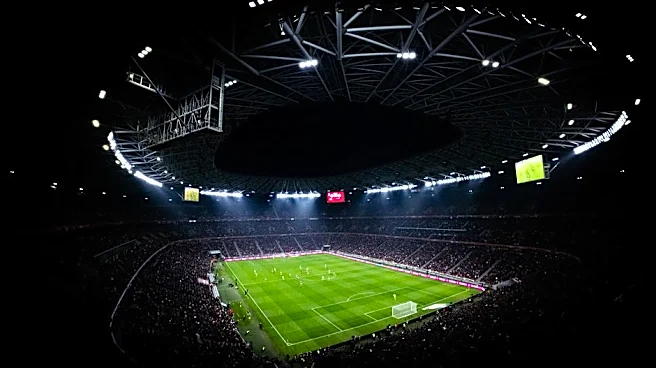
The FIFA World Cup 2026 has commenced, featuring 48 teams competing in 16 cities across the United States, Mexico, and Canada. New York City is hosting eight matches at MetLife Stadium, including the final on July 19. In celebration, New York has organized
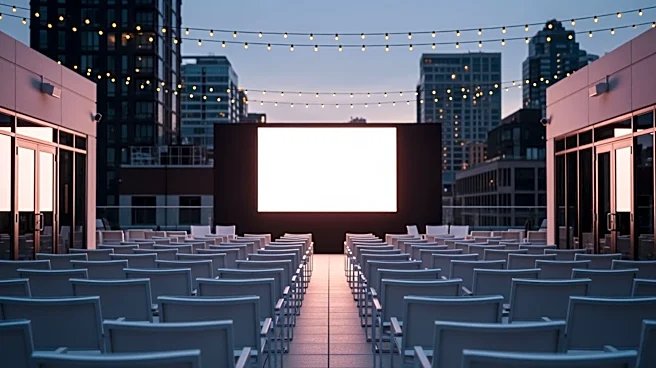
free World Cup watch parties and events throughout the city, catering to both residents and visitors. These events are set to take place in various boroughs, offering fans the opportunity to gather and enjoy the matches together. The watch parties will be held in bars, cultural institutions, and local retail and dining venues, providing a festive atmosphere with activities such as free player-inspired haircuts, team merchandise, local food, and children's events. Some parties will feature screenings of the final match, while others will showcase high-profile games or multiple key contests.
Why It's Important?
The World Cup is a significant global sporting event, and its presence in New York City highlights the city's role as a major host for international events. The free watch parties and events not only provide an opportunity for fans to engage with the tournament but also stimulate local businesses and cultural institutions. By attracting both locals and tourists, these events can boost the city's economy through increased spending in hospitality, retail, and entertainment sectors. Additionally, the World Cup fosters a sense of community and cultural exchange, as people from diverse backgrounds come together to celebrate the sport. This initiative also underscores New York's commitment to inclusivity and accessibility, ensuring that everyone can participate in the excitement of the World Cup.
What's Next?
As the World Cup progresses, New York City will continue to host watch parties and related events, culminating in the final match on July 19. The city is likely to see increased foot traffic and tourism, particularly around MetLife Stadium and the designated event venues. Local businesses may prepare for a surge in customers, and city officials might implement measures to manage crowds and ensure public safety. The success of these events could influence future decisions regarding the hosting of large-scale international events in New York, potentially positioning the city as a preferred destination for global sports and cultural gatherings.