





What's Happening?
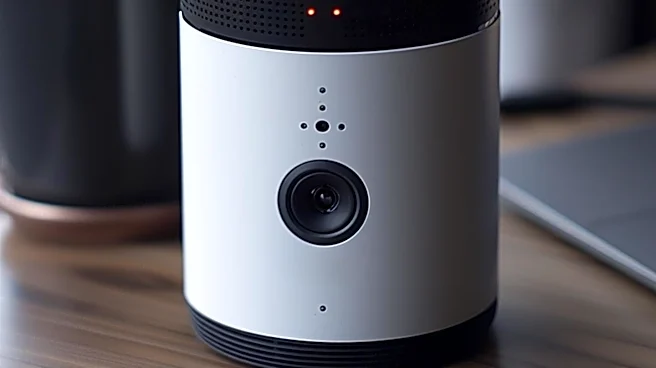
Home automation systems are evolving to integrate smart security cameras, mobile app controls, and 24/7 professional monitoring, providing homeowners with comprehensive control and real-time information about their properties. These systems combine home automation and security into
a single platform, allowing users to manage various aspects of their homes, including lights, locks, cameras, sensors, and security settings, all from a unified mobile application. Key features of these smart home devices include app and voice control, detection capabilities for movement, moisture, temperature, or entry, and the ability to set schedules for automated tasks. They also offer remote monitoring, automated routines triggered by specific conditions, and device-to-device actions. For smaller living spaces like apartments, the focus is often on implementing simple routines to address daily inconveniences, such as smart light switches, smart curtain switches, and programmable thermostat schedules. Essential devices for these setups include smart plugs and power strips, which enable automated scheduling, energy usage tracking, and remote control of appliances.
Why It's Important?
The integration of home automation and security is significant because it offers enhanced convenience, efficiency, and protection for homeowners. By consolidating control over various smart devices into a single platform, these systems simplify daily routines and provide a more intuitive user experience. The ability to monitor and manage home security, lighting, and climate from anywhere via a mobile app increases peace of mind and responsiveness to potential issues. This convergence also contributes to energy savings through automated lighting and thermostat controls, which can lead to reduced utility bills. Furthermore, the advanced security features, such as smart cameras and motion sensors, deter intruders and provide critical alerts, making homes safer. The flexibility of these systems, including DIY installation options and wireless equipment, makes advanced home protection accessible to a broader range of residents, including those in apartments, rental properties, and vacation homes, thereby democratizing smart home technology and its benefits.
What's Next?
The future of home automation is likely to see continued advancements in artificial intelligence and machine learning, enabling systems to become even more predictive and personalized. This could involve systems learning homeowner habits to proactively adjust settings for comfort, security, and energy efficiency without direct input. Further integration with other smart ecosystems and third-party devices is also anticipated, creating a more seamless and interconnected smart home environment. The development of more sophisticated sensors and detection technologies will enhance security capabilities, potentially including advanced biometric authentication and predictive maintenance for home appliances. As technology progresses, the focus will remain on user-friendly interfaces and robust cybersecurity measures to protect personal data and ensure system reliability. The market is also expected to expand with more affordable and customizable solutions, making smart home technology accessible to an even wider demographic.
Beyond the Headlines
Beyond the immediate benefits of convenience and security, the widespread adoption of integrated home automation systems has deeper implications for privacy and data security. As more aspects of daily life become connected and monitored, the volume of personal data collected by these systems increases, raising questions about how this data is stored, used, and protected from unauthorized access. Ethical considerations surrounding surveillance, even within one's own home, also come to the forefront, particularly with the proliferation of smart cameras and microphones. Moreover, the reliance on interconnected devices and cloud services introduces new vulnerabilities to cyberattacks, potentially compromising home security and personal information. The long-term societal impact could include a shift in how individuals interact with their living spaces, fostering a greater sense of control but also potentially leading to increased dependence on technology for basic home functions. Addressing these privacy and security challenges will be crucial for the sustainable growth and public acceptance of home automation technologies.