


What's Happening?
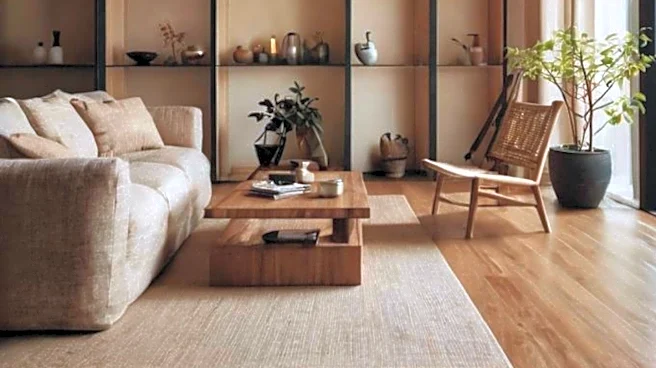
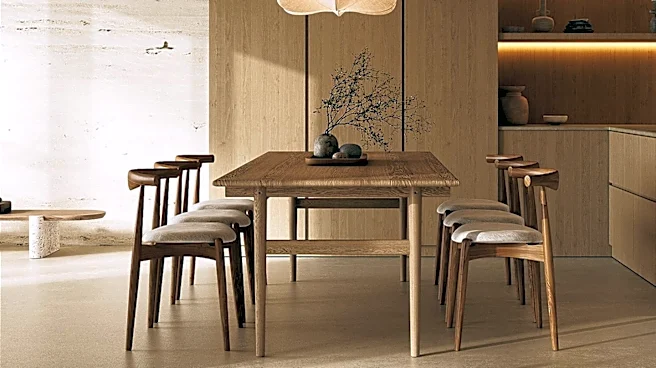
Warm modern architecture is emerging as a significant trend in home design, moving beyond the rigid and sometimes impersonal characteristics of traditional modernism and stark minimalism. This new approach blends the spatial clarity of modern design with
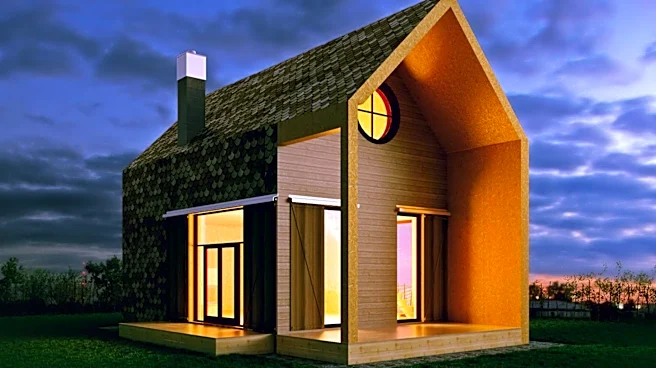
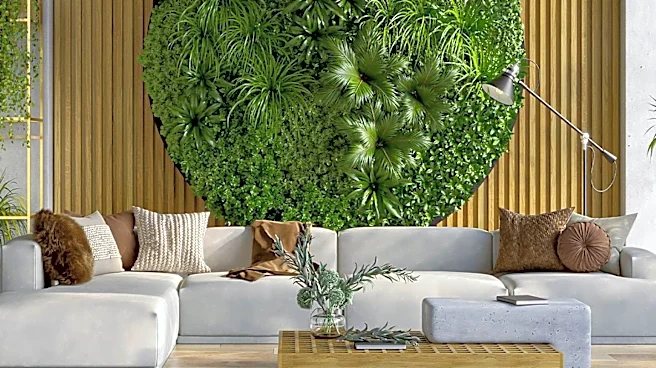
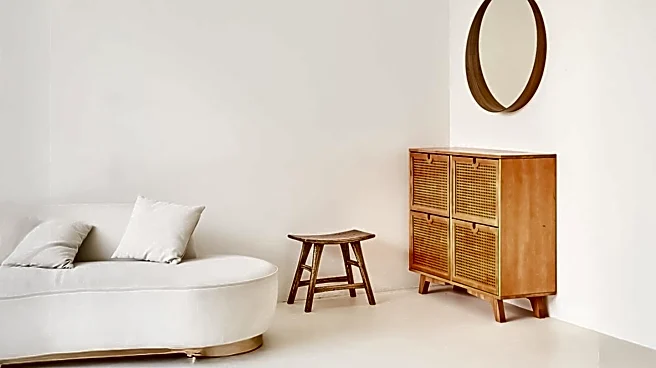
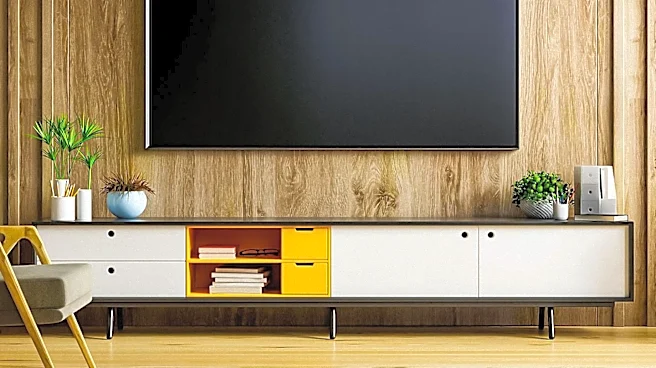
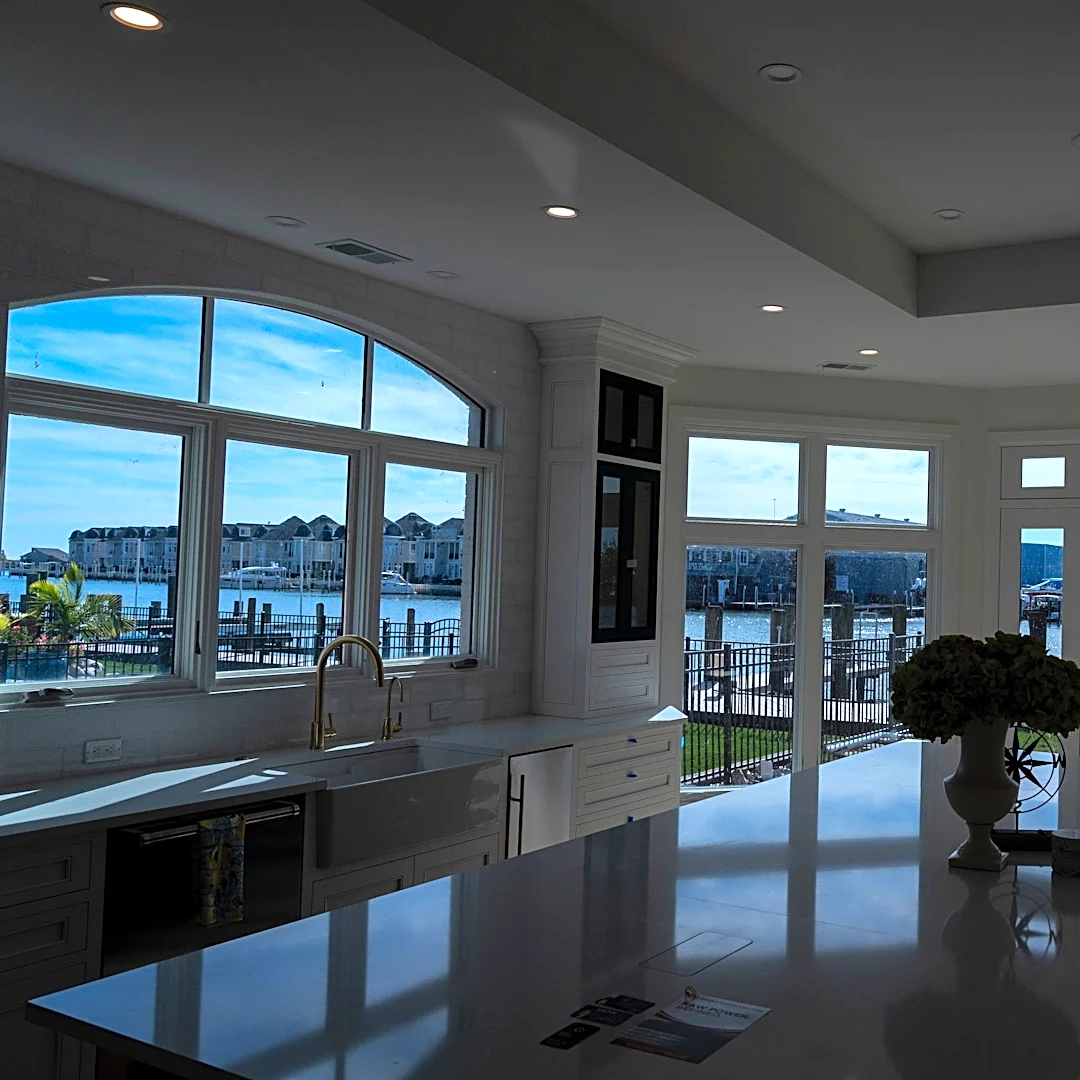
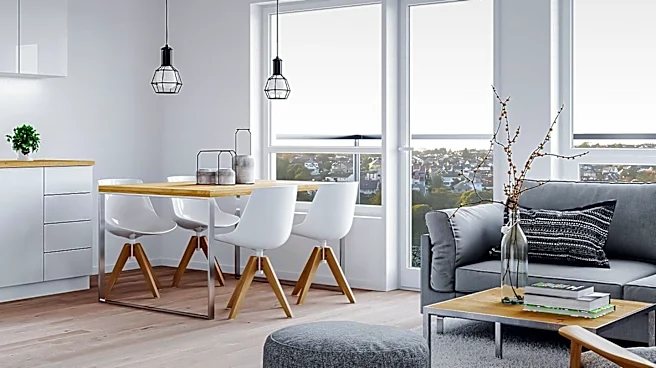
tactile and emotional qualities, incorporating natural materials, layered textures, and a stronger connection to place. Architects and homeowners are increasingly prioritizing human-centered design, focusing on comfort, well-being, and sustainability. This shift is evident in the use of materials like timber, stone, linen, and earthy color palettes, which introduce warmth and authenticity into contemporary spaces. The movement also emphasizes biophilic architecture, integrating natural light, fresh air, and natural elements to connect inhabitants with the natural world, and considers regional identity and climate in design choices, moving away from universal aesthetics.
Why It's Important?
This evolution in architectural design holds significant importance for the U.S. housing market, construction industry, and homeowner preferences. The move towards warm modern architecture reflects changing consumer demands for homes that are not only aesthetically pleasing but also comfortable, sustainable, and deeply connected to their environment. This trend could drive innovation in material science, promoting the use of local, renewable, and natural building materials, thereby impacting supply chains and manufacturing processes. For the real estate sector, homes designed with warm modern principles may command higher value due to their enhanced livability and appeal. Furthermore, the emphasis on human-centered design and biophilia can contribute to improved mental and physical well-being for residents, potentially influencing public health and urban planning discussions around creating more supportive living environments. This shift also challenges the long-held perceptions of modernism, pushing for a more nuanced and adaptable approach to design.
What's Next?
The trajectory of warm modern architecture suggests a continued integration of sustainability, regionalism, and human-centric principles into mainstream home design. We can anticipate an increased demand for architects and builders skilled in these approaches, leading to specialized training and certifications within the construction industry. Material suppliers may see a surge in demand for natural, locally sourced, and eco-friendly products. Furthermore, urban planning and zoning regulations might begin to incorporate guidelines that encourage designs responsive to local climate and cultural contexts, moving away from one-size-fits-all architectural mandates. The concept of 'eclectic minimalism,' which balances clean lines with individual expression, is likely to gain further traction, allowing for greater personalization within modern design frameworks. This evolution will likely foster a more diverse and responsive architectural landscape across the U.S., with homes that are both visually sophisticated and deeply inviting.
Beyond the Headlines
The rise of warm modern architecture signifies a deeper cultural shift in how Americans perceive and interact with their living spaces. It reflects a growing desire for authenticity, connection to nature, and a rejection of purely functional or stark environments. This movement challenges the notion that modern design must be cold or impersonal, instead advocating for spaces that nurture well-being and reflect individual identity. Ethically, the emphasis on sustainable and local materials, as well as biophilic design, aligns with broader environmental consciousness and a commitment to reducing ecological footprints. Culturally, it represents a synthesis of global architectural trends with regional specificities, fostering a sense of place and community. This shift could also influence other design disciplines, from interior decorating to product design, promoting a more holistic and human-centered approach across various aspects of daily life, ultimately shaping a more comfortable and meaningful built environment.