
What's Happening?
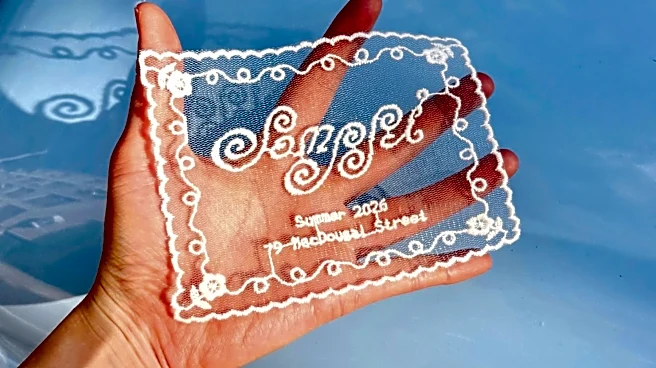
New York City's NYC Restaurant Week Summer 2026 is underway, providing an opportunity for both locals and visitors to explore the city's diverse culinary scene at reduced prices. The event, organized by
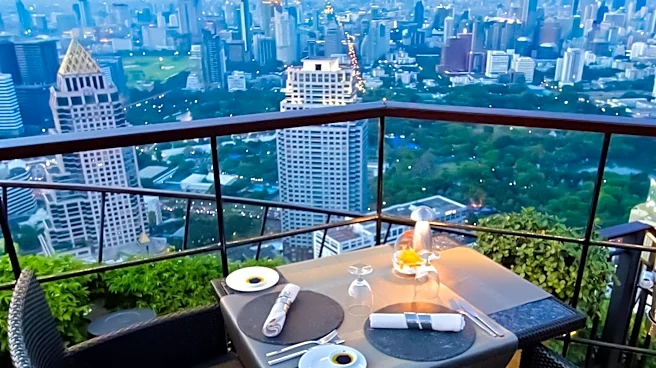
NYC Tourism + Conventions, features over 600 dining destinations offering prix-fixe lunches and dinners priced at $30, $45, and $60. This initiative allows participants to experience more than 45 different cuisines across 70 neighborhoods. The program, which extends beyond a single week, runs through August 16, with the possibility for restaurants to continue their offerings until Labor Day. Mayor Zohran Mamdani emphasized the importance of the event in supporting local businesses and encouraging diners to try new culinary experiences. The event is designed to showcase New York City's status as a global food hub, where restaurants employ thousands and serve as cultural gathering spots.
Why It's Important?
NYC Restaurant Week plays a significant role in boosting the local economy by driving traffic to restaurants during the summer months, a typically slower period for the industry. By offering affordable dining options, the event makes high-quality culinary experiences accessible to a broader audience, including those who might not typically dine at these establishments. This initiative not only supports the restaurant industry but also promotes cultural exchange through food, as diners can explore a wide range of global cuisines. The event underscores New York City's reputation as a leading culinary destination, attracting food enthusiasts and tourists alike, which in turn supports other sectors such as tourism and hospitality.
What's Next?
As NYC Restaurant Week continues, participating restaurants may see increased patronage, potentially leading to extended offerings beyond the official end date. The success of the event could encourage more restaurants to participate in future iterations, further expanding the program's reach and impact. Additionally, the event may inspire similar initiatives in other cities, promoting local dining scenes and supporting small businesses. Stakeholders, including city officials and business leaders, will likely monitor the event's outcomes to assess its economic impact and explore opportunities for enhancement in subsequent years.