






What's Happening?
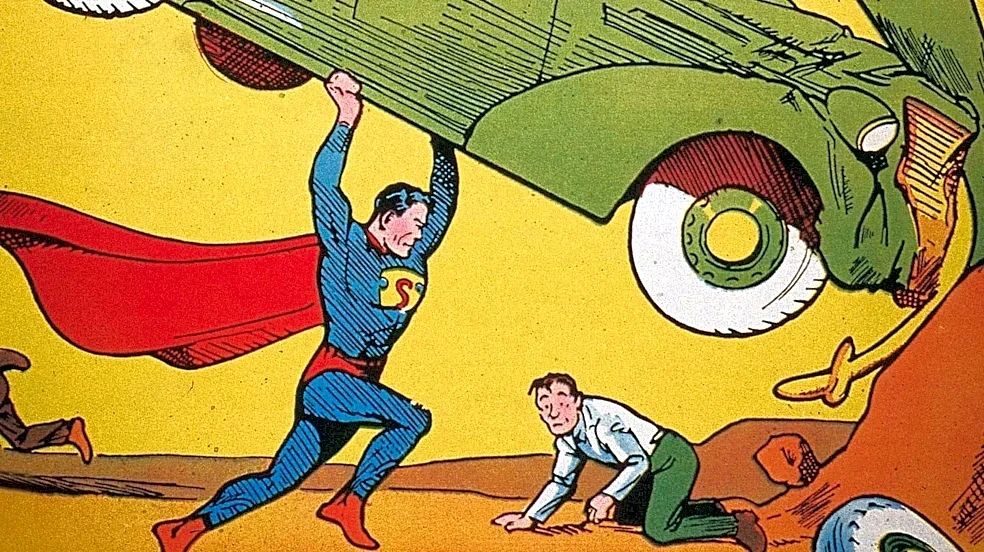
Jerry Siegel and Joe Shuster, the creators of Superman, endured a protracted struggle for financial recognition and ownership rights to their iconic character. After developing Superman in 1933, they sold all rights to Detective Comics, Inc. (later DC
Comics) in 1938 for $130. This decision, while launching Superman into global fame, led to decades of legal disputes as the character became a massive success across comics, radio, and film. Despite earning over $400,000 between 1937 and 1947 for writing the comics, equivalent to over $6 million today, they felt cheated out of royalties and true ownership. Siegel and Shuster initiated lawsuits, leading to their termination from DC Comics and further financial hardship. It wasn't until 1975, when Warner Bros. planned a major Superman film, that they received a lifetime stipend and restoration of creator credits in exchange for not contesting copyright ownership.
Why It's Important?
The protracted legal battles of Siegel and Shuster highlight critical issues within the entertainment and intellectual property industries, particularly concerning creator rights and compensation. Their story serves as a cautionary tale about the initial agreements creators make, especially when dealing with nascent industries or properties whose future value is unknown. The case influenced subsequent discussions and legal frameworks regarding work-for-hire agreements and creator compensation in the comic book industry and beyond. It underscored the power imbalance between individual creators and large corporations, prompting greater awareness and advocacy for artists' rights. The eventual resolution, though decades late, set a precedent for recognizing the foundational contributions of creators, even if the financial rewards remained a fraction of the generated wealth.
What's Next?
The legacy of Siegel and Shuster's fight continues to influence ongoing debates about intellectual property rights in the digital age and the fair treatment of creators. While direct legal actions regarding Superman's original creation are largely settled, the principles established by their struggle remain relevant. Future creators entering agreements with major studios and publishers often look to such historical cases to inform their negotiations. The ongoing evolution of media, including streaming services and new platforms, consistently brings new challenges to creator compensation and ownership, making the foundational issues raised by the Superman creators perpetually pertinent. Industry organizations and creator guilds continue to advocate for stronger protections and more equitable revenue sharing models for artists.
Beyond the Headlines
Beyond the immediate financial and legal aspects, the Siegel and Shuster saga delves into the ethical responsibilities of corporations towards the originators of their most valuable assets. It raises questions about the moral obligation to fairly compensate and acknowledge those whose creative genius forms the bedrock of multi-billion dollar franchises. The public's eventual awareness and sympathy for their plight in the 1970s played a role in pressuring Warner Bros. to act, demonstrating the power of public opinion in corporate ethics. This case also reflects broader themes of artistic exploitation and the struggle for recognition in capitalist systems, where intellectual property can generate immense wealth for owners while original creators may be marginalized. It underscores the enduring tension between commercial success and artistic integrity.