






What's Happening?
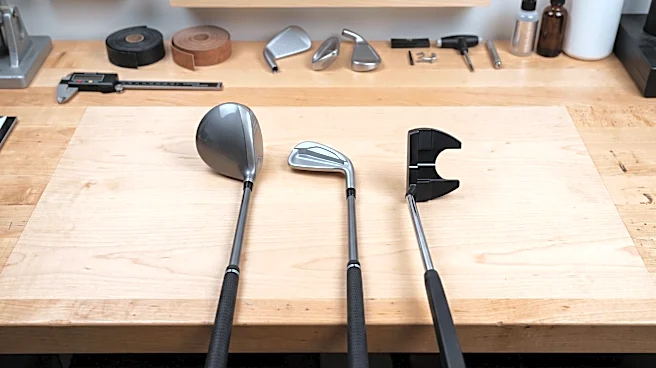
Takomo, a direct-to-consumer brand, is making significant waves in the golf equipment industry by offering high-quality irons at a fraction of the price of premium brands. The company has garnered a substantial following on platforms like YouTube and Instagram,
challenging traditional golf equipment manufacturers. Reviewers note that Takomo irons, including models like the 101 MKII, 201 MKII, and 201T MKII, deliver performance, feel, and aesthetics comparable to much more expensive clubs. The 101 MKII is praised for its forgiveness and ease of launch, while the 201 MKII offers a blend of speed and forgiveness in a cleaner package, akin to popular players-distance irons. The 201T MKII caters to more skilled players seeking precision and control. The brand's disruptive pricing strategy, with full sets ranging from $579 to $679, stands in stark contrast to the typical $1,000 to $1,400 price tags for premium iron sets.
Why It's Important?
This development is significant for the U.S. golf industry as it introduces a highly competitive alternative to established brands, potentially shifting consumer expectations regarding price and performance. For golfers, Takomo offers an opportunity to acquire high-performing equipment without the substantial financial outlay traditionally associated with quality clubs. This could democratize access to better equipment, allowing a broader segment of the golfing population to improve their game. Traditional manufacturers may face pressure to re-evaluate their pricing strategies or enhance their value propositions to compete with Takomo's disruptive model. The rise of direct-to-consumer brands like Takomo also highlights a broader trend in retail, where companies bypass traditional distribution channels to offer more affordable products directly to consumers, impacting the business models of brick-and-mortar golf pro shops and large retailers.
What's Next?
The success of Takomo irons could prompt other direct-to-consumer brands to enter the golf equipment market, further intensifying competition and potentially driving down prices across the industry. Established golf equipment companies may respond by introducing more budget-friendly lines, increasing marketing efforts to highlight their unique features, or exploring their own direct-to-consumer sales channels. The emphasis on online reviews and social media influence in Takomo's rise suggests that digital marketing and community engagement will become even more crucial for golf brands. While the fitting experience remains a key differentiator for traditional retailers, Takomo's model caters to golfers who either know their specifications or prioritize cost savings, indicating a potential segmentation of the market based on purchasing preferences and fitting needs.
Beyond the Headlines
The emergence of Takomo raises deeper questions about the perceived value of golf equipment and the role of branding in consumer choices. The notion that 'good golf equipment costs good golf-equipment money' is being challenged, suggesting that a significant portion of the price tag for premium clubs might be attributed to brand prestige and traditional retail overhead rather than solely to manufacturing costs or technological superiority. This could lead to a re-evaluation of what constitutes 'premium' in the golf world. Furthermore, the success of a brand built largely on online buzz and direct sales underscores the evolving landscape of consumer trust and purchasing behavior, where peer reviews and digital communities can be as influential as, if not more than, traditional advertising and expert endorsements. This shift could empower consumers and force the industry to be more transparent about pricing and product value.