





What's Happening?
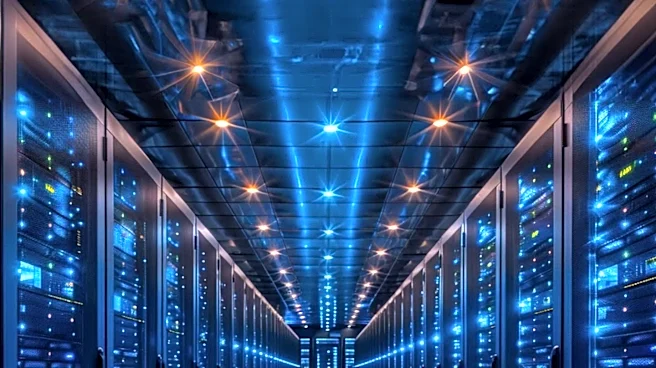
The U.S. is facing a potential energy crisis as AI data centers are projected to consume 20% of the nation's electricity by 2035, up from 5.9% today. This surge in demand is driven by the continuous operation of servers required for AI model training
and cloud computing workloads. As a result, utilities are being forced to expand generation capacity rapidly, leading to increased infrastructure costs. Meanwhile, geopolitical tensions, such as the conflict in Iran, have pushed crude oil prices to approximately $100 per barrel, further straining the economy. Major tech companies like Microsoft, Amazon, Google, Oracle, and Meta are investing in alternative energy sources, including nuclear and geothermal power, to secure reliable electricity without overwhelming local grids.
Why It's Important?
The growing demand for electricity from AI data centers poses a significant challenge to the U.S. energy infrastructure. As utilities struggle to keep up with the increased load, consumers are already experiencing higher electric bills, with some households seeing costs double or triple. This situation underscores the need for substantial investment in alternative energy sources to prevent a structural energy crisis. The shift towards cleaner and more reliable power solutions by major tech companies could alleviate some of the pressure on the grid, but the transition requires significant financial and regulatory support. The outcome of these efforts will have far-reaching implications for energy policy, consumer costs, and the sustainability of technological advancements.
What's Next?
As the demand for AI-driven electricity continues to rise, further investments in alternative energy infrastructure are expected. Tech companies will likely accelerate their efforts to develop and deploy nuclear and geothermal power solutions. Regulatory bodies may need to implement new policies to facilitate this transition and ensure that the benefits are equitably distributed among consumers. Additionally, public awareness and advocacy for sustainable energy practices are likely to increase, potentially influencing future energy policies and corporate strategies. The ongoing energy crisis could also prompt a reevaluation of current consumption patterns and the development of more efficient technologies.
Beyond the Headlines
The reliance on AI data centers for electricity raises questions about the sustainability of current technological trends. As the demand for compute power grows, so does the environmental impact of data centers, which consume vast amounts of energy and water. This situation highlights the need for a holistic approach to energy management that considers both technological advancements and environmental sustainability. The potential for increased energy costs also raises concerns about economic inequality, as lower-income households may struggle to afford rising utility bills. Addressing these challenges will require collaboration between government, industry, and civil society to develop equitable and sustainable solutions.