




What's Happening?
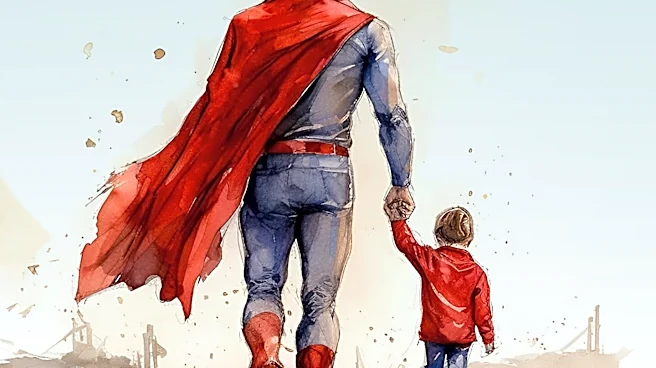
DC Comics is exploring the concept of 'legacy heroes,' where new characters take on the mantles of established icons. According to ComicBook.com, this tradition has been a defining feature of the DC Multiverse, with various characters stepping into the roles
of their predecessors. The article specifically highlights Steel (John Henry Irons) and Conner Kent (Superboy) as deserving candidates to potentially succeed Superman. Steel, introduced during the 'Reign of the Supermen' storyline after Superman's apparent death, is noted for his intelligence and his custom-built armor, which allowed him to fight major threats despite lacking superpowers. Conner Kent, a clone of Superman, also emerged during the 'Reign of the Supermen' and has since become a legend in his own right, founding Young Justice and helping re-establish the Teen Titans. Both characters represent different facets of Superman's legacy, with Steel embodying ingenuity and Conner Kent representing a younger, evolving hero.
Why It's Important?
The concept of legacy heroes in DC Comics is crucial for the longevity and evolution of its universe. It allows for fresh perspectives on classic archetypes, ensuring that characters and their ideals remain relevant across generations. By introducing new heroes to carry iconic mantles, DC can explore contemporary themes and narratives while honoring the foundational principles established by characters like Superman. This approach also provides opportunities for character development, as legacy heroes often grapple with the weight of their predecessors' reputations and forge their own paths. For fans, it offers a dynamic storytelling experience, allowing them to see beloved roles reinterpreted and expanded. The potential for Steel or Conner Kent to become Superman signifies a commitment to evolving narratives and reflecting diverse forms of heroism within the DC universe.
What's Next?
The discussion around legacy heroes suggests that DC Comics is actively considering how to evolve its iconic characters and maintain narrative freshness. While there's no immediate announcement of Steel or Conner Kent permanently taking on the Superman mantle, their inclusion in this conversation indicates their importance within the DC hierarchy and their potential for future prominent roles. The article implies that such transitions could offer entertaining and meaningful storylines for readers, allowing for different interpretations of what it means to be Superman. This ongoing exploration of legacy ensures that the DC universe remains vibrant and adaptable, capable of introducing new heroes while respecting the rich history of its established figures.
Beyond the Headlines
The exploration of legacy heroes in comic books reflects broader societal discussions about succession, mentorship, and the evolution of ideals. It delves into the philosophical question of whether heroism is tied to an individual or to the principles they embody. By allowing characters like Steel and Conner Kent to potentially step into Superman's shoes, DC Comics implicitly acknowledges that the essence of a hero can be transferred and reinterpreted by different individuals, each bringing their unique strengths and perspectives. This not only enriches the fictional universe but also provides a metaphor for how values and responsibilities are passed down and adapted in the real world, highlighting the enduring power of symbols and the continuous need for new champions to uphold them.