





What's Happening?
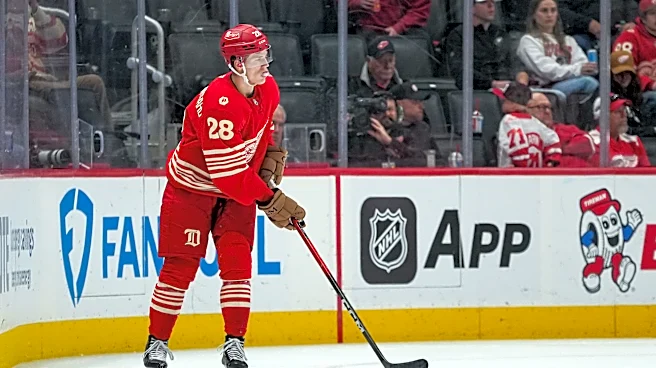
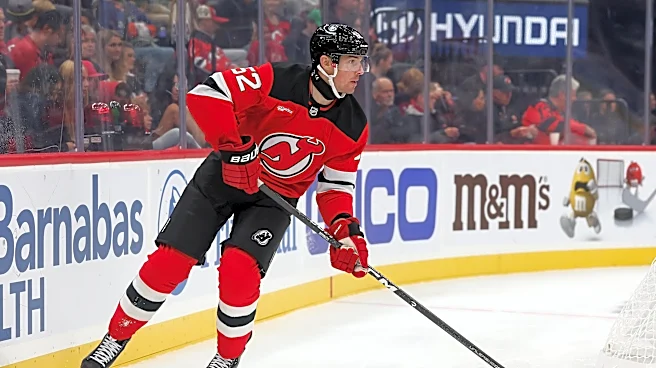
Pittsburgh Penguins defenseman Declan Carlile has publicly stated his commitment to defending captain Sidney Crosby, following a physical preseason loss to the Detroit Red Wings. Carlile, along with defense partners Ilya Solovyov and Kaedan Korczak, intervened
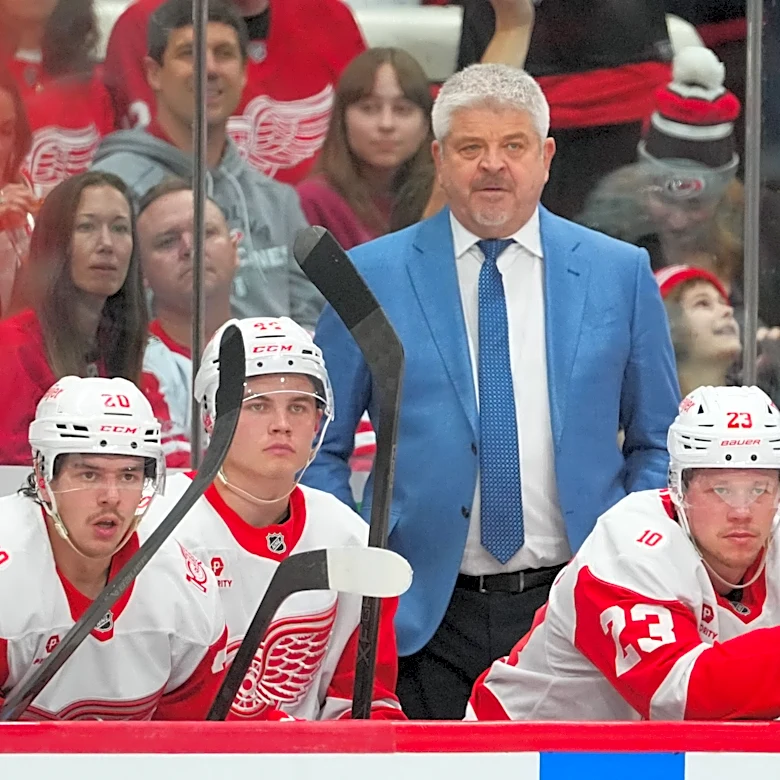
multiple times when Red Wings players became overly physical with Crosby. Carlile explained his actions, saying, "If you're going to go after the best player in the world, I think it is what it is. I think it's kind of part of my game." He added that while he doesn't want to take penalties constantly, he believes opponents need to "answer a little bit" for targeting the league's top player. The incidents included Crosby being shoved near the net by Ben Chiarot and other Red Wings players. Carlile's stance comes after past criticism that Crosby often had to defend himself, with teammates not always stepping up. Coach Dan Muse supported his players' actions, emphasizing the importance of sticking up for teammates.
Why It's Important?
This development signals a potential shift in the Pittsburgh Penguins' team dynamic and approach to protecting their star player, Sidney Crosby. For years, there has been a narrative that Crosby, despite being one of the NHL's most targeted players, often lacked consistent physical protection from his teammates. Carlile's assertive stance, supported by his coach, indicates a renewed emphasis on team toughness and accountability. This could have significant implications for the Penguins' performance, potentially reducing the physical toll on Crosby and allowing him to focus more on offense. It also sends a clear message to opposing teams that targeting Crosby will now come with consequences, which could alter game strategies and reduce extracurricular physicality against him. This commitment to team protection can foster stronger camaraderie and a more unified team identity.
What's Next?
The Penguins' commitment to protecting Sidney Crosby will be closely watched as the regular season approaches. Opposing teams will likely test this new resolve, and how Carlile and other defensemen respond will be crucial. This could lead to more physical games for the Penguins, potentially increasing penalty minutes but also possibly deterring excessive aggression against their captain. The team's performance in these situations will determine if this new approach is sustainable and effective. It will also be interesting to see if this philosophy extends to protecting other key players on the roster. The emphasis on team protection could become a defining characteristic of the Penguins' play style in the upcoming season.
Beyond the Headlines
The discussion around protecting star players like Sidney Crosby extends beyond individual games and into the broader culture of professional hockey. The 'enforcer' role, while diminished in modern hockey, still holds a symbolic importance in protecting skilled players. Carlile's actions and statements reflect a contemporary interpretation of this role, where physical deterrence is balanced with strategic play. This situation also highlights the psychological warfare inherent in sports, where targeting a star player is a common tactic to disrupt an opponent's rhythm. By actively defending Crosby, the Penguins are not just protecting a player but also asserting their team's mental and physical resilience. This can have a ripple effect on team morale, confidence, and overall competitive spirit, demonstrating that a team's willingness to stand up for its leaders can be as important as individual skill.