




What's Happening?
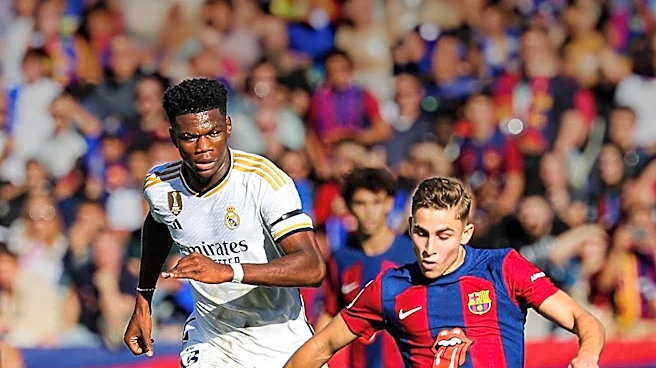
FC Barcelona has issued a statement clarifying the status of UEFA's proceedings regarding the 'Negreira case,' following reports of a potential reactivation of the investigation. The club asserts that UEFA has not opened any new disciplinary proceedings against
it. Instead, the proceedings were initiated in 2023 with the appointment of two investigators, and these proceedings have never been closed. FC Barcelona states that it has consistently complied with all requests from the investigators. The club's statement comes after UEFA confirmed receiving a substantial amount of documents from Real Madrid related to the ongoing investigation into payments made by FC Barcelona to Jose Maria Enriquez Negreira, a former vice-president of the Technical Committee of Referees. UEFA's Ethics and Disciplinary Inspectors will assess these new documents as part of their ongoing review. FC Barcelona emphasizes that UEFA's communication refers to an 'ongoing' investigation and review, not the opening, reopening, or reactivation of any new case. The club also notes that it has not yet received any new requests from UEFA or Real Madrid's complaint, but will respond appropriately if it does. The proceedings remain subject to the outcome of a criminal case in Spain, and FC Barcelona has continued to obtain its UEFA license and participate in competitions without objection.
Why It's Important?
This development is significant for the integrity of European football and the reputation of one of its most prominent clubs, FC Barcelona. The 'Negreira case' involves allegations of payments made to a former refereeing official, raising serious questions about potential undue influence on match outcomes. The ongoing nature of the UEFA investigation, coupled with a parallel criminal case in Spain, highlights the gravity of the accusations. For FC Barcelona, the outcome could have substantial consequences, including potential bans from UEFA club competitions like the Champions League, as outlined in Article 4 of UEFA's regulations. Such a ban, even for a single season, would not only result in significant financial losses from prize money and broadcasting rights but also severely damage the club's global brand and sporting prestige. For Real Madrid, their active involvement in submitting documentation to UEFA underscores the intense rivalry and the desire to ensure fair play within the sport. The case also sets a precedent for how football's governing bodies address allegations of corruption and maintain confidence in the fairness of competitions, impacting all clubs and stakeholders in European football.
What's Next?
The UEFA Ethics and Disciplinary Inspectors will now assess the substantial documentation provided by Real Madrid as part of their ongoing review. FC Barcelona has stated its readiness to respond to any new requests or complaints should they be formally forwarded by the investigators. The proceedings will continue to be influenced by the outcome of the criminal case currently underway in Spain. Depending on the findings of the UEFA investigation and the Spanish legal process, potential actions could range from no further sanctions if FC Barcelona's innocence is confirmed, to a ban from UEFA club competitions for one season if found guilty of influencing match outcomes. The club's ability to continue participating in UEFA competitions without objection, as it has done since the investigation began, will depend on the progression and conclusions of these reviews. Stakeholders, including other European clubs, football fans, and regulatory bodies, will closely monitor these developments for their implications on fair play and governance in football.
Beyond the Headlines
The 'Negreira case' extends beyond immediate sporting sanctions, touching upon deeper ethical and systemic issues within football. The allegations of payments to a refereeing official, regardless of their intent, erode public trust in the impartiality of officiating and the integrity of the sport. This situation highlights the need for greater transparency and robust oversight mechanisms within football federations and refereeing bodies to prevent conflicts of interest and maintain credibility. The intense public and media scrutiny, fueled by the rivalry between FC Barcelona and Real Madrid, also underscores the cultural significance of football and the high expectations for ethical conduct from its institutions. The long-term implications could include a re-evaluation of governance structures in Spanish and European football, potentially leading to stricter regulations on club-official interactions and enhanced independent auditing of financial transactions to safeguard the sport's integrity. The case serves as a stark reminder that even the most established clubs are not immune to scrutiny regarding ethical practices.