






What's Happening?
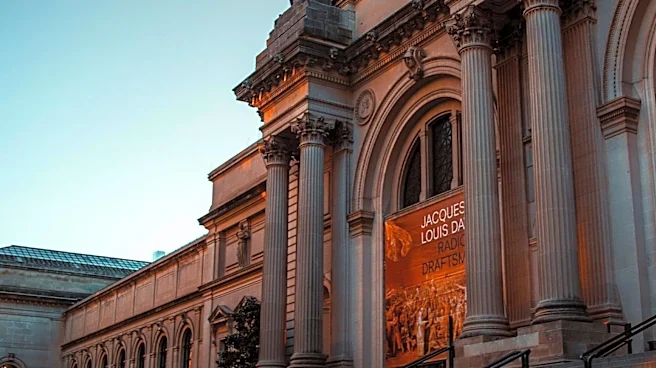
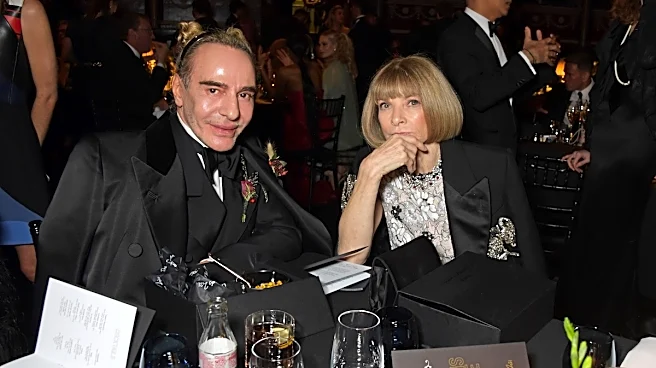
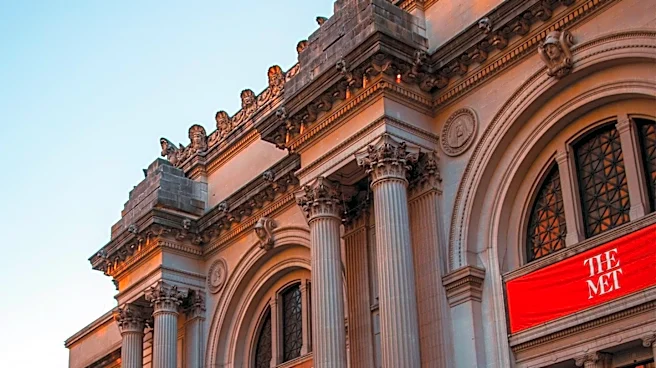
The Metropolitan Museum of Art has canceled its planned spring 2027 exhibition honoring British designer John Galliano. This decision comes after significant public backlash following the museum's announcement of the exhibit just weeks prior. Galliano,
a controversial figure in the fashion world, was fired from Dior in 2011 after an antisemitic rant. The cancellation reflects the museum's response to the strong negative reaction from the public, who raised concerns about honoring a designer with a history of such remarks. The exhibit was intended to showcase Galliano's work, but the controversy surrounding his past actions ultimately led to its withdrawal.
Why It's Important?
The cancellation of the John Galliano exhibition by the Metropolitan Museum of Art underscores the increasing accountability demanded of cultural institutions regarding the figures they choose to honor. This event highlights the power of public opinion and social media in shaping institutional decisions, particularly when issues of ethics, morality, and historical sensitivity are involved. For the U.S. art and fashion industries, this decision signals a growing intolerance for past transgressions, even when individuals have achieved significant artistic or professional success. It emphasizes that artistic merit alone may not be sufficient to overcome public condemnation of offensive behavior. The incident also reflects a broader cultural shift where institutions are expected to align with contemporary values of inclusivity and respect, and to consider the potential impact of their choices on diverse communities. This could lead to more rigorous vetting processes for future exhibitions and collaborations, influencing how historical and controversial figures are presented in public spaces.
What's Next?
The cancellation of the John Galliano exhibition will likely prompt further internal discussions within the Metropolitan Museum of Art and other cultural institutions regarding their curatorial policies and public engagement strategies. Museums may face increased pressure to conduct more thorough background checks and consider the ethical implications of honoring controversial figures. This event could also lead to a re-evaluation of how art and artists are separated from their personal conduct in public displays. For John Galliano, this cancellation represents another significant setback in his career, reinforcing the long-term consequences of his past actions. It may also influence other institutions or brands considering collaborations with him. The broader fashion industry might also reflect on its relationship with designers who have faced similar controversies, potentially leading to more cautious approaches in promoting or rehabilitating such figures. The public will likely continue to monitor how cultural institutions navigate these complex issues, expecting transparency and adherence to ethical standards.
Beyond the Headlines
The cancellation of the Galliano exhibit delves into the complex interplay between artistic freedom, historical context, and social responsibility. It raises profound questions about whether an artist's work can be separated from their personal conduct, especially when that conduct involves hate speech. This incident forces a re-examination of 'cancel culture' within the arts, exploring its efficacy and its potential to shape cultural narratives. Is it possible for individuals to atone for past mistakes and be reintegrated into public life, or do certain transgressions carry permanent consequences? The decision also highlights the evolving role of museums as not just custodians of art, but also as moral compasses for society. Their choices in whom to celebrate can either reinforce or challenge societal values. This event could trigger a broader dialogue about the criteria for public recognition, the nature of forgiveness, and the enduring impact of historical injustices on contemporary cultural institutions. It also underscores the ongoing struggle to balance artistic expression with the imperative to combat discrimination and promote inclusivity.